
Setiap orang tua mendambakan anak yang tumbuh sehat dan cerdas. Selain mendampingi anak dalam belajar dan mengkesplorasi dunia luar, orang tua juga perlu memastikan anak-anak mendapatkan nutrisi yang dibutuhkan untuk perkembangan otaknya.
Makanan yang Dibutuhkan untuk Meningkatkan Kecerdasan Anak
Sebagai orang tua, Anda tentu ingin buah hati Anda tumbuh sehat dan memiliki perkembangan fisik, mental dan kecerdasan yang baik di berbagai bidang. Salah satu faktor penting untuk mendorong kecerdasan anak adalah dengan pemenuhan nutrisi yang sehat untuk pertumbuhan fungsi otaknya.
Pertumbuhan otak anak berkembang dengan sangat drastis di tahun-tahun pertama kehidupannya. Otak anak terus berkembang hingga masa remaja, khususnya di area korteks prefrontal yang dikenal sebagai pusat kepribadian. Ini adalah area otak yang terkait dengan perencanaan, ingatan, pengambilan keputusan dan fungsi eksekutif lainnya.
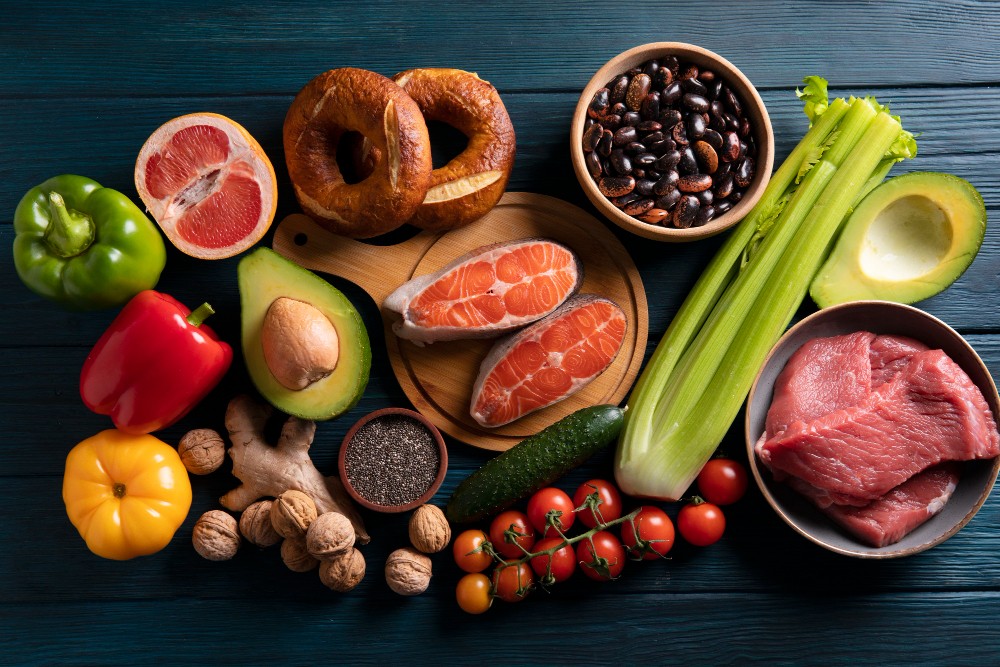
Untuk meningkatkan kecerdasan anak, berikut ini beberapa makanan yang direkomendasikan:
Telur
Telur adalah salah satu makanan yang kaya gizi bagi anak-anak. Dalam sebutir telur mengandung nutrisi sebagai berikut:
- 75 kalori
- 7 gram protein
- 5 gram lemak
- 1,6 gram lemak sehat
Selain itu telur juga mengandung zat besi, vitamin, mineral dan karotenoid. Telur juga mengandung kolin yang sangat penting untuk perkembangan otak.
Sebuah penelitian menunjukkan menambahkan kolin ke dalam menu anak selama 1000 hari pertama kehidupan dapat mendukung perkembangan otak, melindungi terhadap kerusakan sel saraf dan meningkatkan fungsi kognitif.
Baca Juga: Benarkah Minyak Ikan Kod dapat Membuat Anak Lebih Pintar?
Buah-Buahan Beri
Buah-buahan beri seperti stroberi, blueberry mengandung berbagai vitamin dan antioksidan yang bermanfaat bagi perkembangan otak. Buah-buahan beri mengandung anthocyanin yang meningkatkan aliran darah ke otak, memberi efek anti-peradangan dan mendorong produksi sel saraf baru termasuk di dalamnya faktor neutrofik yang memengaruhi proses pembelajaran dan daya ingat.
Makanan Laut
Salah satu makanan sehat yang perlu dikonsumsi anak-anak untuk kecerdasan otaknya adalah makanan laut. Makanan laut kaya akan nutrisi yang dibutuhkan otak seperti asam lemak omega-3, yodium, dan zink.
Zink dibutuhkan untuk produksi dan perkembangan sel, sedangkan asam lemak omega-3 diperlukan untuk menjalankan fungsi normal otak. Sementara itu yodium diperlukan untuk menghasilkan hormon tiroid yang juga dibutuhkan dalam perkembangan otak.
Beberapa makanan laut yang direkomendasikan untuk anak antara lain ikan salmon, udang, dan tiram. Dalam memilih makanan laut, pastikan untuk memilih ikan yang rendah kandungan merkuri.
Sayuran Hijau
Sayuran berdaun hijau gelap memiliki sejumlah nutrisi yang dibutuhkan anak. Beragam sayuran seperti bayam, kale, lettuce kaya akan nutrisi penting bagi otak seperti folat, flavonoid, karotenoind, vitamin E dan K1.
Sebuah penelitian menyebutkan bahwa anak yang kebutuhan folatnya tercukupi memiliki nilai kognitif lebih baik daripada anak yang kurang asupan folat. Penelitian lain menyebutkan bahwa anak yang kaya akan asupan karoten memiliki kemampuan kognitif lebih baik daripada anak lainnya.
Baca Juga: Inilah Kebaikan Yoghurt Bagi Kesehatan Tubuh
Yoghurt
Yoghurt tanpa gula dan sereal atau telur bisa menjadi menu sarapan sehat yang kaya akan yodium, nutrisi yang dibutuhkan tubuh untuk perkembangan otak dan fungsi kognitif.
Penelitian membuktikan bahwa anak-anak yang kekurangan yodium cenderung memiliki gangguan kognitif daripada anak-anak yang tercukupi kebutuhan yodiumnya. Selain sumber yodium yang baik, yoghurt juga kaya akan nutrisi lainnya yang penting untuk perkembangan otak termasuk protein, zink, vitamin B12, dan selenium.
Makanan Kaya Zat Besi
Kurang zat besi dapat memengaruhi kemampuan kognitif dan perkembangan akademik anak. Untuk mengatasinya, Anda membutuhkan asupan zat besi dari daging merah, daging unggas, makanan laut, kacang-kacangan dan bayam.
Zat besi yang berasal dari hewan merupakan zat besi heme yang lebih mudah diserap oleh tubuh daripada zat besi yang terdapat dalam makanan. Untuk mengoptimalkan penyerapan zat besi, Anda juga bisa menambahkan asupan vitamin C dalam menu sehari-hari.
Mau tahu informasi seputar nutrisi, makanan dan tips diet lainnya? Cek di sini, ya!
- dr. Monica Salim

Kubala, J. (2021). 9 Brain Food for Kids. Available from: https://www.healthline.com/nutrition/brain-food-for-kids
Masters, M. (2021). Brain-Boosting Food for Kids. Available from: https://www.whattoexpect.com/toddler-nutrition/brain-food-for-kids.aspx
Richards, L. (2021). What brain foods should kids eat?. Available from: https://www.medicalnewstoday.com/articles/brain-food-for-kids
McCann, S., Perapoch Amadó, M., & Moore, S. E. (2020). The Role of Iron in Brain Development: A Systematic Review. Nutrients, 12(7), 2001. MDPI AG. Retrieved from http://dx.doi.org/10.3390/nu12072001
Qamar, S. (2023). 10 Benefits Of Eating Eggs For Kids And Its Nutritional Value. Available from: https://www.momjunction.com/articles/amazing-benefits-of-daily-intake-of-eggs-in-your-kids-routine_0089461/