
Definisi
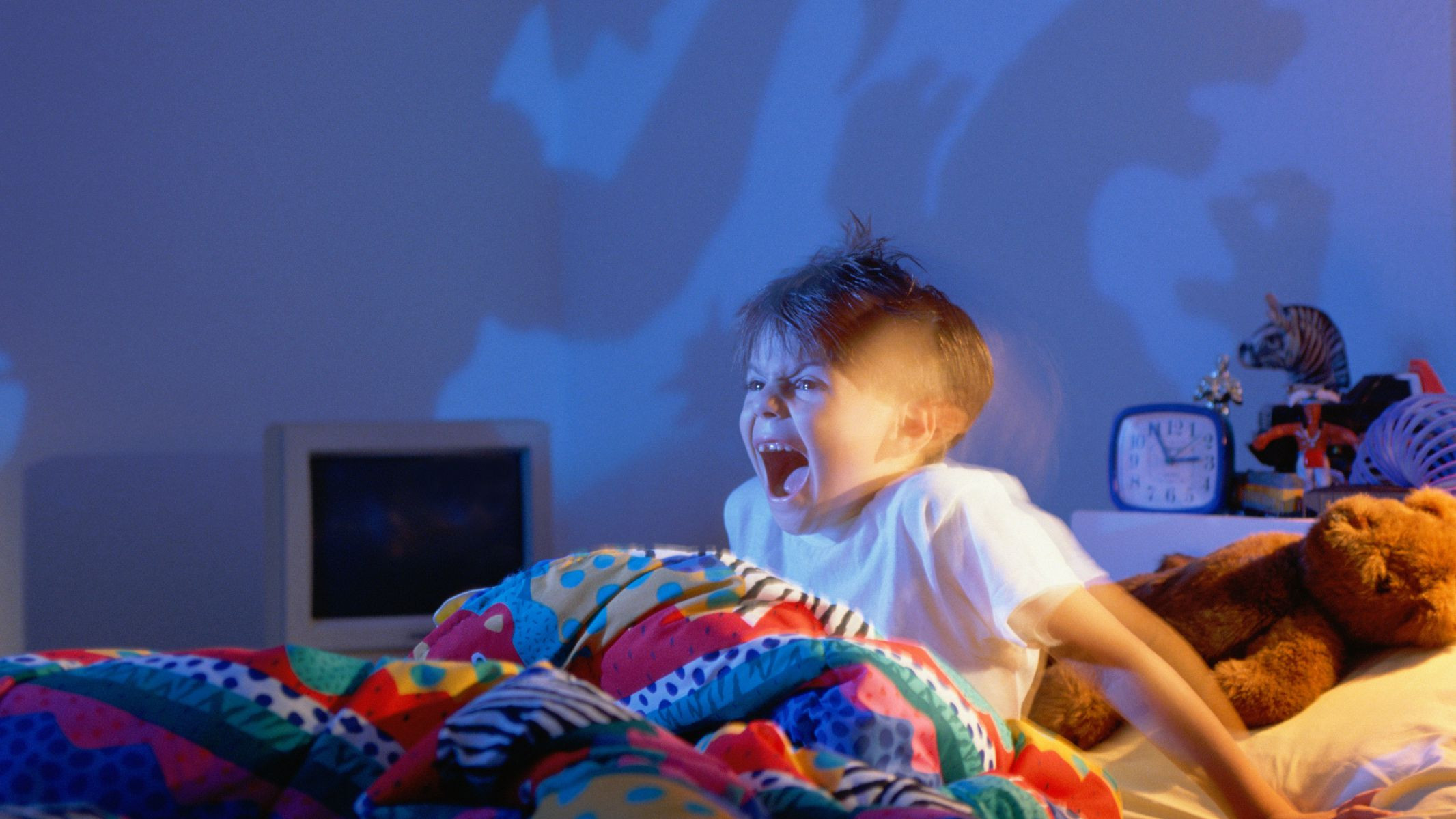
Narkolepsi adalah sebuah gangguan tidur berkepanjangan yang ditandai dengan rasa mengantuk pada siang hari yang berlebihan serta serangan tidur yang mendadak. Orang dengan narkolepsi sulit untuk tetap terbangun dalam jangka waktu yang panjang, apapun situasinya. Oleh karena itu, narkolepsi dapat menyebabkan gangguan yang cukup signifikan pada aktivitas sehari-hari.
Penyebab
Pemicu awal narkolepsi tidak diketahui. Namun, pada orang-orang dengan narkolepsi, terjadi penurunan senyawa kimia otak yang bernama hipokretin atau oreksin, yang berfungsi untuk mengatur kewaspadaan. Penurunan kadar hipokretin ini diduga terjadi akibat sistem kekebalan tubuh salah menyerang sel-sel yang menghasilkan senyawa ini atau penangkap senyawa ini (yang dibutuhkan agar senyawa dapat bekerja). Selain itu, narkolepsi juga berkaitan dengan gangguan pada bagian otak yang mengatur fase tidur.
Fase tidur dibagi menjadi dua bagian besar: rapid eye movement (REM) dan non-rapid eye movement (NREM). Biasanya, fase tidur akan dimulai dari fase NREM yang merupakan tidur dalam. Pada fase ini, pergerakan gelombang otak akan melambat. Setelah sekitar 1 jam, fase tidur berpindah ke fase REM. Fase ini merupakan fase terjadinya mimpi.
Namun, pada narkolepsi, seseorang dapat masuk tiba-tiba ke fase REM tanpa memasuki fase NREM terlebih dahulu, baik ketika tidur siang maupun tidur malam. Beberapa ciri narkolepsi juga mirip dengan perubahan yang terjadi pada fase tidur REM, namun muncul saat bangun atau mengantuk.
Faktor Risiko
Faktor risiko narkolepsi yang paling nyata adalah usia dan riwayat keluarga. Biasanya, narkolepsi dimulai pada usia 10-30 tahun. Jika Anda memiliki anggota keluarga dengan narkolepsi, Anda memiliki risiko 20-40 kali lebih tinggi untuk mengalami kondisi yang sama.
Gejala
Gejala narkolepsi adalah sebagai berikut:
- Tidur berlebihan pada siang hari. Orang dengan narkolepsi jatuh tertidur tanpa pemberitahuan, kapan saja, dan di mana saja. Tidur ini dapat terjadi beberapa menit hingga setengah jam. Anda dapat merasa segar ketika terbangun, namun kembali mengantuk setelah beberapa saat. Gejala ini seringkali mengganggu aktivitas sehari-hari
- Katapleksi. Katapleksi merupakan kehilangan kekuatan otot secara tiba-tiba, tidak dapat dikontrol, dan dipicu oleh emosi yang kuat seperti tertawa, bahagia, takut, kaget, atau marah. Kehilangan kekuatan otot ini dapat berupa bicara pelo hingga kelemahan seluruh otot yang dapat berlangsung selama beberapa menit. Katapleksi dapat terjadi 1-2 kali per tahun hingga beberapa kali sehari
- Lumpuh saat tidur. Orang dengan narkolepsi sering tidak mampu bergerak atau berbicara saat jatuh tertidur atau mendekati bangun. Gejala ini biasanya terjadi sebentar, mulai dari beberapa detik hingga beberapa menit, namun menakutkan. Kelumpuhan sementara ini terjadi pada fase REM, dan dapat mencegah tubuh Anda bergerak sesuai mimpi. Namun, lumpuh saat tidur tidak selalu identik dengan narkolepsi, karena fenomena ini dapat terjadi pada orang tanpa narkolepsi
- Perubahan fase tidur REM. REM merupakan fase ketika mimpi terjadi. Pada orang dengan narkolepsi, fase tidur REM dapat muncul kapan saja dalam satu hari, dan fase REM terjadi dengan cepat, sekitar 15 menit setelah jatuh tertidur (normalnya sekitar 1 jam)
- Halusinasi. Halusinasi ini dapat berupa halusinasi hipnagogik apabila terjadi sesaat sebelum terlelap atau halusinasi hipnopompik apabila terjadi sesaat sebelum terbangun. Kedua halusinasi ini tidak hanya terjadi pada orang narkolepsi, tetapi juga pada orang normal
Diagnosis
Narkolepsi memiliki gejala yang dapat disalahartikan sebagai kondisi lainnya. Untuk memastikan diagnosis, perlu dilakukan pemeriksaan riwayat dan tubuh yang menyeluruh. Selain itu, dokter dapat meminta Anda untuk merekam gejala dan kapan Anda tertidur selama beberapa minggu. Alternatif lainnya adalah pemeriksaan polisomnogram. Pemeriksaan ini dilakukan sepanjang malam di klinik atau lab khusus, dan berfungsi untuk merekam masalah-masalah yang terjadi saat tidur. Selain itu, polisomnogram dapat menunjukkan apabila Anda masuk ke fase REM pada saat yang tidak biasa. Polisomnogram dapat pula digunakan untuk menyingkirkan kemungkinan kondisi lainnya.
Selain polisomnogram, pemeriksaan yang dapat dilakukan adalah multiple sleep latency test (MSLT). Seperti polisomnogram, MSLT dilakukan di sebuah tempat khusus. Pemeriksaan ini dilakukan pada siang hari untuk mengukur kecenderungan Anda untuk jatuh tertidur serta untuk mencari apakah elemen fase REM terjadi pada waktu yang tidak biasa. Anda akan tidur sebentar 4-5 kali selama pemeriksaan, dengan jeda 2 jam di antaranya.
Tata Laksana
Sejauh ini, narkolepsi tidak dapat disembuhkan secara total. Namun, ada beberapa hal yang dapat dilakukan untuk meringankan gejala, sebagai berikut:
- Tidur sebentar namun sering setiap beberapa jam dalam sehari. Anda dapat tidur selama 10-15 menit setiap beberapa jam. Jika Anda bekerja atau sekolah, tenaga kesehatan dapat membantu Anda mengatur jadwal tidur agar Anda dapat tidur sebentar secara rutin
- Tidur malam pada waktu yang sama setiap hari
- Menghindari kafein, alkohol, dan nikotin, karena ketiga hal ini memengaruhi kerja tubuh yang terkait dengan tidur
- Makan dalam porsi sedikit namun sering
Jika gejala yang Anda alami sangat mengganggu aktivitas sehari-hari atau bahkan berbahaya, Anda mungkin akan mendapatkan obat-obatan yang bertujuan untuk menurunkan gejala. Obat stimulan, misalnya, dapat mengurangi rasa kantuk. Antidepresan dapat membantu menangani masalah terkait fase REM. Selain itu, obat-obatan lainnya dapat membantu mencegah katapleksi atau membantu Anda agar tetap bangun dalam jangka waktu yang lebih panjang.
Komplikasi
Komplikasi narkolepsi sangat terkait dengan gejala-gejalanya. Komplikasi tersebut adalah sebagai berikut:
- Kesalahpahaman orang lain mengenai kondisi. Narkolepsi menyebabkan seseorang jatuh tertidur kapan saja dan di mana saja, sehingga orang lain dapat menganggap Anda seorang pemalas atau mudah mengantuk. Performa Anda dalam bekerja atau bersekolah dapat terganggu sebagai konsekuensinya
- Gangguan pada hubungan dekat. Perasaan yang intens, seperti marah atau bahagia, dapat memicu katapleksi, sehingga mencegah orang-orang di sekitar Anda untuk berinteraksi secara emosional
- Bahaya fisik. Serangan tidur menyebabkan risiko tinggi kecelakaan apabila terjadi saat menyetir. Selain itu, apabila Anda mengalami serangan tidur saat memasak, risiko Anda untuk tergores pisau atau terkena api menjadi jauh lebih tinggi
- Obesitas. Orang dengan narkolepsi cenderung memiliki berat badan berlebih. Kelebihan berat badan ini dapat terjadi akibat pencernaan yang bekerja dengan lambat
Pencegahan
Narkolepsi tidak dapat dicegah, namun dapat ditangani. Kondisi ini sangat jarang terjadi, dan tidak semua orang dengan riwayat keluarga akan terkena narkolepsi. Apabila anak Anda memiliki narkolepsi, Anda memerlukan kerja sama antara terapis dan guru di sekolah untuk memahami dan membantu anak Anda di sekolah. Jika Anda sebagai orang dewasa mengalami narkolepsi, sebaiknya Anda berhenti menyetir karena dapat membahayakan diri sendiri dan orang lain. Anda dapat berkonsultasi pada terapis yang menangani Anda terkait menyetir.
Kapan Harus ke Dokter?
Anda dapat berkonsultasi ke dokter apabila Anda tidur berlebihan pada siang hari, sehingga aktivitas sehari-hari Anda terganggu. Dokter dapat melakukan pemeriksaan pada Anda, dan merujuk Anda pada ahli yang terkait. Apabila dokter menduga adanya narkolepsi, Anda dapat dirujuk ke dokter saraf atau psikiater untuk membantu Anda mengetahui dan menangani masalah tersebut.
Mau tahu informasi seputar penyakit lainnya? Cek di sini, ya!
- dr Nadia Opmalina

DerSarkissian, C. (2021). Narcolepsy. Retrieved 4 February 2022, from https://www.webmd.com/sleep-disorders/guide/narcolepsy
Narcolepsy. (2019). Retrieved 4 February 2022, from https://www.nhs.uk/conditions/narcolepsy/
Narcolepsy - Symptoms and causes. (2020). Retrieved 4 February 2022, from https://www.mayoclinic.org/diseases-conditions/narcolepsy/symptoms-causes/syc-20375497
/6302127de0c5c.jpeg)