
Definisi
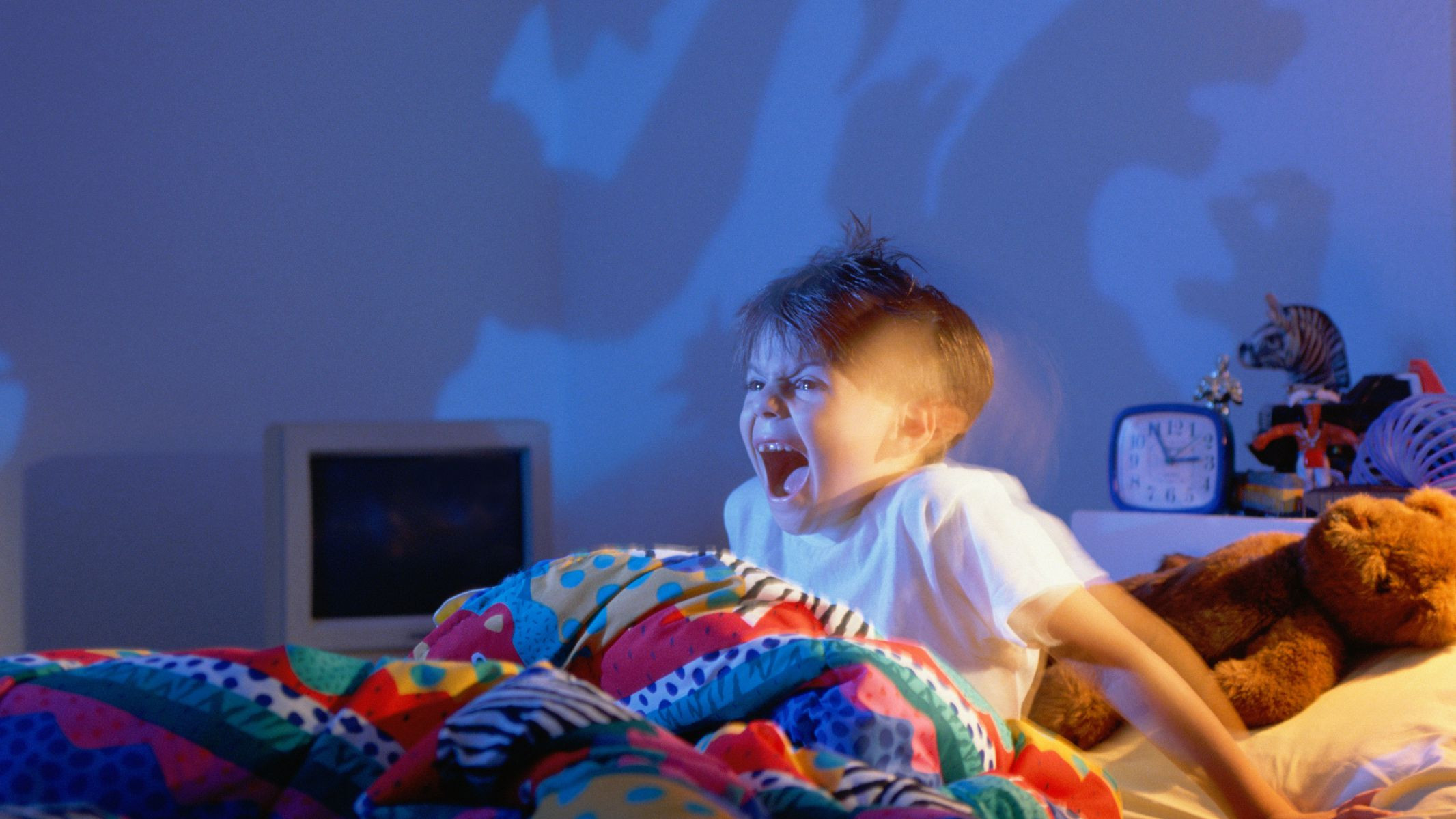
Somnambulisme adalah sebuah kondisi yang dapat menyebabkan seseorang bangun dari tempat tidur dan berjalan saat terlelap. Kondisi ini adalah sebuah gangguan yang terjadi saat tidur (parasomnia), satu kelompok dengan night terror. Pada kedua kondisi ini, penderita tidak dapat merespon apapun dan biasanya tidak mengingat kejadian ini. Somnabulisme paling sering terjadi pada anak-anak walaupun orang dewasa juga bisa mengalaminya.
Penyebab
Tidur merupakan sebuah siklus yang terdiri dari bangun, fase NREM (non-rapid eye movement), dan fase REM (rapid eye movement). Siklus ini biasanya terjadi sepanjang 50 menit pada bayi yang lahir cukup bulan, dan mencapai puncaknya pada masa remaja, yaitu sepanjang 90 menit.
Pada seluruh bagian siklus tidur, otak tetap aktif dengan sedikit perubahan pada susunan saraf, ritme gelombang saraf, dan senyawa kimia yang mengirimkan pesan sinyal (neurotransmiter) di otak. Fase tidur paling dalam adalah slow-wave sleep (SWS, gelombang lambat), yang terjadi segera setelah mulai tidur dan sesaat sebelum bangun. Anak-anak biasanya memasuki fase ini pada 15 menit pertama, dan berlangsung selama 45-75 menit.
Somnambulisme terjadi karena seseorang terjebak saat pergantian antara fase tidur satu dengan fase tidur lainnya (misalnya dari fase NREM ke bangun). Pergantian ini menyebabkan kebingungan dan persepsi yang tidak jelas. Pada anak-anak dengan somnambulisme, fase tidur SWS pertama seringkali terganggu. Kondisi ini lebih sering terjadi pada anak-anak berusia 4-8 tahun, sehingga dianggap sebagai tanda otak belum matang.
Faktor Risiko
Somnambulisme dapat terjadi menurun di keluarga. Apabila orang tua atau saudara kandung Anda memiliki riwayat somnambulisme, Anda memiliki risiko 10 kali lipat lebih besar untuk mengalami kondisi yang sama. Selain itu, anak kembar identik memiliki risiko yang lebih tinggi untuk mengalami somnambulisme.
Risiko somnambulisme pada seseorang akan semakin tinggi apabila:
- Kurang tidur
- Memiliki jadwal tidur yang berantakan
- Stres
- Mabuk
- Mengonsumsi obat-obatan seperti:
- Obat sedatif, untuk membantu tidur atau menenangkan diri
- Obat neuroleptik, untuk menangani gejala psikosis seperti waham dan halusinasi
- Obat stimulan, untuk meningkatkan stamina, atau;
- Antihistamin, biasanya digunakan untuk menangani gejala alergi
- Beberapa kondisi medis tertentu seperti:
- Masalah ritme jantung
- Demam
- Gastroesophageal reflux disease (GERD)
- Asma
- Kejang
- Apnea tidur obstruktif (berhenti bernapas sebentar saat tidur)
- Sindrom kaki gelisah
- Gangguan jiwa lainnya seperti gangguan stres pascatrauma (post-traumatic stress disorder, PTSD), gangguan panik, atau keadaan disosiatif seperti gangguan kepribadian ganda
Gejala
Biasanya, gejala somnambulisme disadari oleh orang lain di sekitar penderita. Gejala-gejala ini biasanya terjadi tanpa disadari. Orang dengan somnambulisme dapat berjalan diam-diam di kamarnya, berlari atau berusaha “kabur”, membuka mata dengan tatapan kosong, serta merespon pertanyaan dengan lambat atau tidak merespon sama sekali. Orang tersebut juga dapat meracau dan mengigau saat tidur. Terkadang mereka juga dapat melakukan kegiatan seperti memindahkan barang atau makan sembari terlelap. Jika orang tersebut bangun di tengah-tengah episode somnambulisme, orang tersebut dapat merasa malu.
Karena sebagian besar penderita tidak mengingat saat mereka berjalan ketika tidur, biasanya kejadian ini disadari oleh pasangan atau anggota keluarga mereka. Gejala-gejala ini pada umumnya terjadi sementara dan tidak terlalu sering, sehingga kebanyakan orang tidak mencari pertolongan medis.
Diagnosis
Somnambulisme biasanya cukup mudah untuk didiagnosis. Anda biasanya cukup menjawab pertanyaan terkait kebiasaan tidur anak dengan mendetail dan riwayat penyakit baik pada anak mauoun keluarga. Pemeriksaan fisik secara langsung biasanya tidak menunjukkan kelainan. Anda atau anak Anda dapat menjalani beberapa pemeriksaan sebagai berikut:
Polisomnografi
Polisomnografi merupakan pemeriksaan tidur. Anda atau anak Anda akan diminta untuk tidur di sebuah lab khusus tidur, sementara pemeriksa akan merekam denyut nadi, gelombang otak, dan pergerakan tubuh saat Anda atau anak Anda tidur. Sayangnya, pemeriksaan ini cukup mahal dan sulit dilakukan.
Elektroensefalografi (EEG)
EEG dilakukan untuk memeriksa gelombang listrik pada otak. Biasanya, pemeriksaan ini hanya akan dilakukan apabila dokter mencurigai adanya kondisi parah yang menyebabkan seseorang mengalami somnambulisme.
Tata Laksana
Tata laksana somnambulisme bukan bertujuan untuk menyembuhkan kondisi ini, melainkan untuk menurunkan risiko terjadinya somnambulisme dan komplikasi yang dapat mengikutinya. Somnambulisme merupakan kondisi yang ringan dan akan menghilang seiring waktu apabila tidak diikuti dengan masalah medis lainnya. Kondisi ini tidak memerlukan terapi obat.
Jika somnambulisme terkait dengan masalah pernapasan saat tidur, operasi untuk memperbaiki saluran napas biasanya dapat mencegah somnambulisme selanjutnya.
Dokter dapat menyarankan Anda untuk membangunkan penderita secara terjadwal. Sebelum melakukan hal ini, Anda dapat mencatat jarak waktu antara penderita mulai tidur dan mengalami tidur berjalan, karena biasanya akan cenderung mirip. Anda juga dapat mencatat lamanya satu episode (sekali) tidur berjalan. Selanjutnya, Anda dapat membangunkan penderita 15-30 menit sebelum waktu prediksi. Penderita perlu tetap terbangun sampai waktu prediksi tidur berjalan selesai. Hal ini perlu dilakukan setiap hari selama 2-3 minggu.
Dokter juga dapat merujuk Anda atau anak Anda pada terapis yang berpengalaman untuk mengajarkan teknik relaksasi dan perumpamaan visual. Biasanya, kedua hal ini perlu dilakukan secara rutin untuk membantu mencegah terjadinya episode somnambulisme.
Apabila ada seseorang dengan somnambulisme di rumah Anda, beberapa hal berikut dapat Anda lakukan:
- Memastikan ruangan benar-benar gelap dan hening pada malam hari. Rangsangan suara, sentuhan, dan cahaya dapat memicu terjadinya episode tidur berjalan pada orang dengan somnambulisme
- Mengunci pintu dan jendela, menyingkirkan benda-benda yang mungkin dapat menyebabkan tersandung dan benda tajam, serta memasang alarm untuk menurunkan risiko cedera yang dapat terjadi saat tidur berjalan
- Jika penderita tidur di lantai atas, Anda dapat memasang pagar pada tangga lantai atas yang akan ditutup saat malam hari
- Menenangkan anak sebelum tidur
- Tidak membangunkan atau mengganggu orang yang sedang tidur berjalan, karena dapat memperpanjang waktu tidur berjalan dan bahkan dapat berakhir dengan perlawanan hingga kekerasan
Jika Anda sebagai orang dewasa mengalami somnambulisme, perubahan gaya hidup dapat Anda lakukan, seperti:
- Tidur pada jam yang sama setiap hari
- Membiasakan untuk rileks sebelum tidur
- Jika Anda memiliki kebiasaan minum alkohol atau mengonsumsi obat-obatan terlarang lainnya, Anda perlu menghentikan kebiasaan tersebut
- Jika obat-obatan di atas merupakan resep dokter, Anda dapat berkonsultasi dengan dokter yang menangani Anda
Pada sebagian besar anak, somnambulisme akan hilang saat pubertas. Namun, pada sebagian kasus, somnambulisme dapat berlanjut hingga dewasa atau bahkan mulai terjadi saat dewasa.
Komplikasi
Somnambulisme adalah kondisi yang ringan apabila tidak disertai dengan kondisi medis lainnya. Komplikasi yang dapat terjadi dan cukup berbahaya adalah cedera, misalnya akibat jatuh dari ketinggian atau berjalan melewati kaca jendela.
Pencegahan
Somnambulisme pada anak sulit untuk dicegah, karena tidak dapat diketahui apakah seseorang pasti akan mengalami somnambulisme atau tidak. Namun, risiko somnambulisme dapat diturunkan dengan memastikan jadwal tidur teratur, tidur cukup, menghindari stres fisik dan psikologis berlebihan, dan mengonsumsi obat sesuai resep dokter. Sebagai orang dewasa, pencegahan juga dapat dilakukan dengan menghindari konsumsi alkohol dan obat-obatan terlarang lainnya.
Kapan Harus ke Dokter?
Somnambulisme biasanya dapat ditangani sendiri. Namun, Anda dapat berkonsultasi dengan dokter apabila penderita terlalu sering tidur berjalan, melukai diri sendiri, atau melakukan kekerasan saat tidur berjalan. Selain itu, Anda juga dapat berkonsultasi apabila performa anak di sekolah atau performa kerja Anda terganggu akibat masalah ini.
Mau tahu informasi seputar penyakit lainnya? Cek di sini, ya!
- dr Hanifa Rahma

Ahmed, S. (2019). Sleepwalking: Practice Essentials, Background, Pathophysiology. Retrieved 10 February 2022, from https://emedicine.medscape.com/article/1188854-overview
DerSarkissian, C. (2021). Sleepwalking (Somnambulism). Retrieved 10 February 2022, from https://www.webmd.com/sleep-disorders/sleepwalking-causes
Zergham, A., & Chauhan, Z. (2021). Somnambulism. Retrieved 10 February 2022, from https://www.ncbi.nlm.nih.gov/books/NBK559001/
/6302127de0c5c.jpeg)