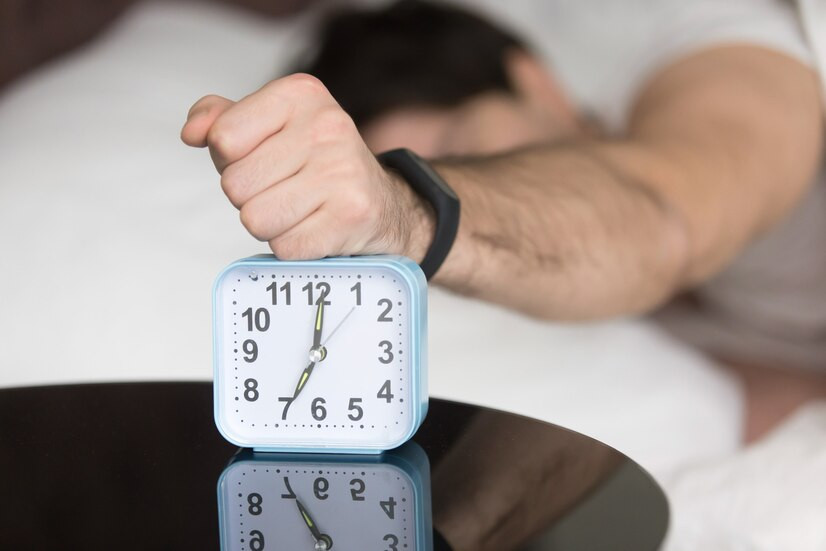

During the month of Ramadan, it’s common for people to feel more tired than usual. Along with changes in eating patterns, the shift in sleep schedules can also contribute to a sense of sleepiness, particularly in the mornings. So, how can you manage your sleep patterns to remain productive during this special time of fasting? Here are some helpful tips.
Tips for Managing Sleep Patterns During Ramadan Fasting
In Ramadan, Muslims fast from dawn until sunset. To stay nourished throughout the day, it’s necessary to wake up before dawn to have a pre-fast meal known as suhoor. This alteration in your sleep routine is a significant factor contributing to increased fatigue during the fasting month. Additionally, fasting can lead to lowered blood sugar levels, leaving you feeling more fatigued.
To manage sleepiness and maintain energy during Ramadan, here are a few strategies you can implement:
Sleep After Suhoor
Many people feel very sleepy after suhoor and are tempted to return to bed. While this helps alleviate morning tiredness, there is a potential downside. Sleeping immediately after suhoor can lead to acid reflux, where stomach acids rise into the throat, causing discomfort. To prevent this, it’s advisable to wait 30 minutes to 1 hour after eating before going back to sleep.
Sleep Early
During Ramadan, Muslims also engage in tarawih prayers at night. To ensure you’re well-rested, try going to bed early. Avoid staying up too late and aim for around 6-7 hours of sleep so that you can wake up in time for suhoor without feeling overly tired.
Maintain a Consistent Sleep-Wake Schedule
The fasting schedule and tarawih prayers often disrupt your body’s natural circadian rhythm, making it harder to stay awake in the morning and sleep at night.
To help your body adjust, try to wake up and sleep at the same time every day. Keeping a consistent sleep schedule will help regulate your body’s internal clock, ensuring that you get the amount of rest you need.
Take Short Naps
During Ramadan, you may find yourself with free time around lunchtime. Instead of using this time to eat, you can take a short nap to recharge. However, it’s important to limit the duration of your naps. A nap that’s too long can leave you feeling groggy. It’s best to set an alarm and aim for 20-30 minutes of rest during the day.
Choose Nutritious Foods and Drinks
What you eat and drink significantly affects your energy levels throughout the day. Avoid consuming heavy, fatty, or sugary foods when breaking your fast, as these can make your digestive system work harder and make it difficult to sleep later.
Additionally, avoid spicy, fatty foods, such as fried items, and caffeinated beverages, as they can contribute to acid reflux and bloating, which might interfere with your sleep. Opt for balanced meals with plenty of fruits, vegetables, and lean proteins to keep your body energized during fasting.
Create a Comfortable Sleep Environment
A comfortable sleeping environment is crucial for getting good rest during Ramadan. Make sure your bedroom is conducive to sleep by adjusting the lighting and reducing screen time before bed. The blue light from phones, tablets, and computers can interfere with melatonin production, the hormone responsible for regulating sleep. By minimizing exposure to screens before sleep, you can improve your sleep quality and wake up feeling more refreshed.
Ramadan can significantly disrupt your usual sleep patterns due to early morning meals and late-night prayers. Resetting your sleep schedule and creating a comfortable environment will help you meet your sleep needs and maintain your energy levels during the day.
If you have concerns about your sleep or health during Ramadan, it’s a good idea to consult a healthcare professional. You can also take advantage of the consultation feature on the Ai Care app, which is available for download on the App Store or Play Store.
Looking for more information about health tips and tricks, first aid, and other home remedies? Click here!
- dr Hanifa Rahma
Cleveland Clinic. How to Sleep Better During Ramadan. Available from: https://www.clevelandclinicabudhabi.ae/en/health-byte/ramadan/how-to-sleep-better-in-ramadan
Cleveland Clinic. (2021). Should YouTake Power Naps?. Available from: https://health.clevelandclinic.org/power-naps
Summer, J. (2024). Napping: Benefits and Tips. Available from: https://www.sleepfoundation.org/napping
Anderson, A. (2024). From Balanced Breakfasts to Frequent Fluids, Here’s How a Dietitian Navigates Ramadan. Available from: https://www.verywellhealth.com/ramadan-nutrition-tips-5224961
Suni, E. (2024). Mastering Sleep Hygiene: Your Path to Quality Sleep. Available from: https://www.sleepfoundation.org/sleep-hygiene