
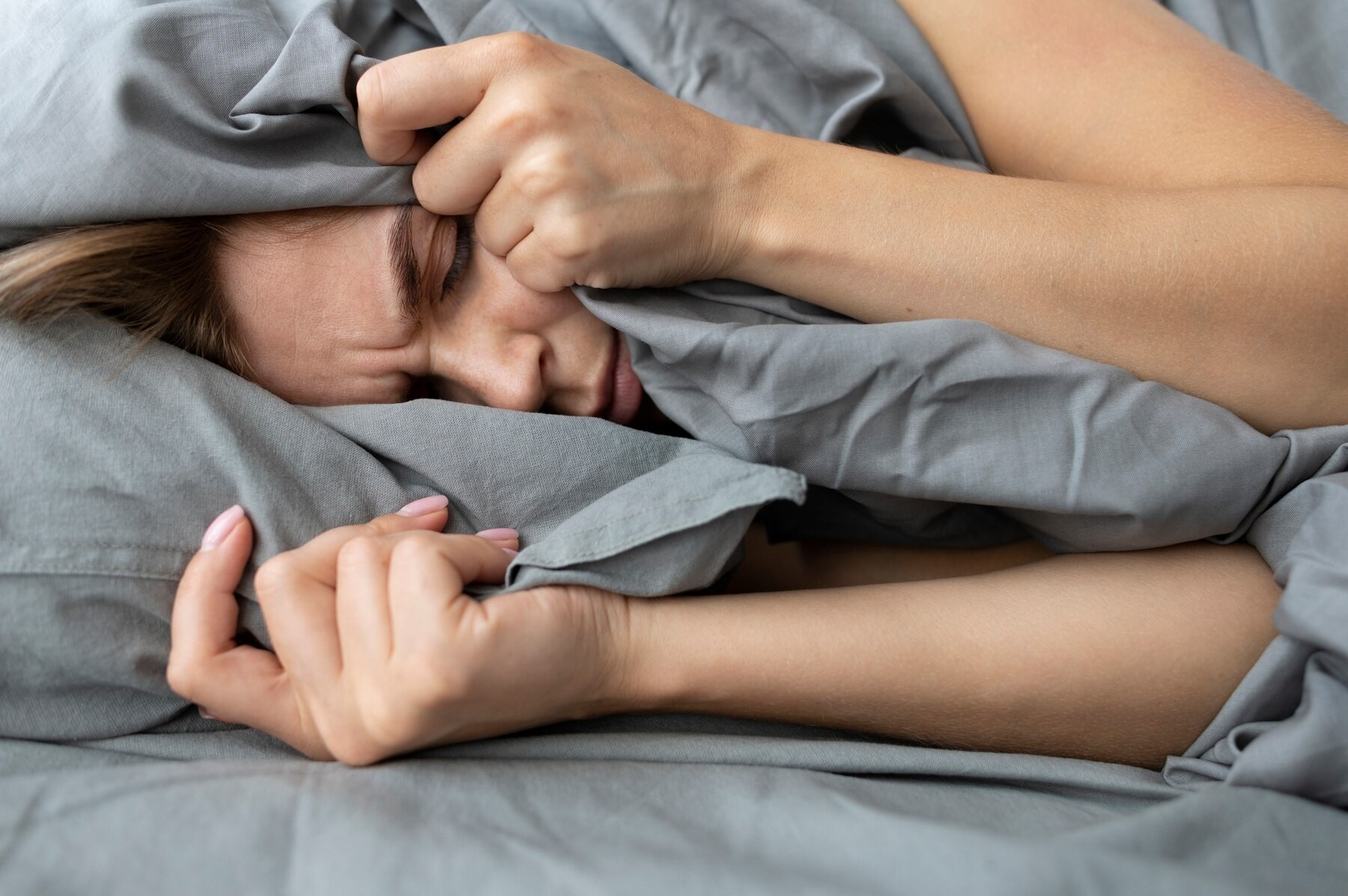
Tidur adalah salah satu aspek penting dalam menjaga kesehatan tubuh. Setiap orang dewasa disarankan untuk tidur setidaknya 7-8 jam setiap malam. Mereka yang cukup tidur cenderung memiliki kondisi tubuh yang lebih sehat dibandingkan dengan yang kurang tidur.
Namun, tahukah Anda bahwa tidur berlebihan juga bisa berdampak buruk bagi kesehatan, apa saja dampaknya? Simak ulasannya dalam artikel berikut.
Tanda-Tanda dan Penyebab Tidur Berlebihan
Tidur berlebihan (oversleeping) terjadi ketika Anda tidur lebih lama dari durasi tidur yang disarankan. Menurut National Sleep Foundation, durasi tidur yang ideal untuk orang dewasa adalah 7-8 jam per malam. Tidur lebih dari 9 jam secara rutin dianggap berlebihan dan dapat memberikan dampak negatif bagi kesehatan tubuh.
Tidur berlebihan sering kali disertai dengan gejala-gejala seperti:
- Mengantuk sepanjang hari.
- Sakit kepala.
- Tidur siang yang berlebihan karena merasa mengantuk.
Kondisi ini umumnya terjadi akibat gangguan tidur, kebiasaan begadang atau kurang tidur, depresi, kurangnya aktivitas fisik, pola makan yang buruk, atau bahkan sebagai efek samping dari obat-obatan tertentu.
Baca Juga: Penyebab Sering Mengantuk Padahal Sudah Tidur Cukup
Dampak Negatif Tidur Berlebihan
Tidur berlebihan lebih dari 9 jam setiap malam dapat berdampak buruk pada kesehatan fisik dan mental. Berikut beberapa risiko yang mungkin terjadi:
Peningkatan risiko penyakit jantung
Tidur berlebihan setiap hari dapat meningkatkan risiko penyakit jantung hingga 38%. Ini disebabkan oleh gangguan metabolisme yang terjadi akibat tidur berlebihan, yang pada gilirannya dapat meningkatkan tekanan darah, memperburuk kondisi peradangan, dan meningkatkan risiko masalah kardiovaskular lainnya.
Obesitas
Tidur berlebihan berarti Anda menghabiskan lebih banyak waktu di tempat tidur tanpa aktivitas fisik, yang dapat menurunkan pembakaran kalori dan meningkatkan risiko kenaikan berat badan.
Selain itu, tidur yang berlebihan juga memengaruhi hormon yang mengatur rasa lapar, seperti leptin dan ghrelin. Gangguan pada kedua hormon ini dapat mengakibatkan peningkatan nafsu makan, yang akhirnya dapat memicu keinginan untuk makan berlebihan dan menyebabkan penambahan berat badan.
Diabetes tipe 2
Tidur berlebihan dapat memengaruhi metabolisme glukosa dalam tubuh. Penelitian menunjukkan bahwa tidur yang terlalu lama dapat menurunkan sensitivitas insulin, yang berfungsi untuk mengatur kadar gula darah. Penurunan sensitivitas insulin ini meningkatkan risiko penyakit diabetes tipe 2, karena tubuh menjadi kurang efektif dalam memproses gula darah dengan baik.
Baca Juga: Benarkah Tidur dengan Lampu Menyala Bisa Mengganggu Regenerasi Sel Mata?
Sakit kepala
Setelah tidur terlalu lama, banyak orang mengalami sakit kepala. Hal ini disebabkan oleh ketidakseimbangan senyawa kimia di otak, seperti serotonin, yang mengatur suasana hati dan tidur.
Tidur berlebihan juga dapat memengaruhi ritme sirkadian tubuh, yang mengatur pola tidur alami, dan memperburuk gejala sakit kepala.
Depresi dan kecemasan
Tidur berlebihan sering dikaitkan dengan gejala depresi dan kecemasan. Pola tidur yang tidak teratur dapat mengganggu keseimbangan emosional, menyebabkan kelelahan berkepanjangan, dan menurunkan kualitas hidup secara keseluruhan.
Penurunan kognitif
Tidur terlalu lama dapat memperlambat fungsi kognitif, seperti konsentrasi, daya ingat, dan kemampuan untuk memproses informasi. Beberapa studi juga menunjukkan bahwa orang yang tidur lebih dari 9 jam setiap malam cenderung memiliki performa kognitif yang lebih rendah, termasuk kesulitan dalam fokus dan mengambil keputusan dengan cepat.
Untuk mendapatkan tubuh yang sehat, pastikan Anda tidur 7-8 jam setiap malam. Usahakan untuk tidur dan bangun pada waktu yang sama setiap hari agar terbentuk pola tidur yang sehat.
Jika mengalami kesulitan tidur atau gangguan tidur yang memengaruhi kualitas hidup Anda, jangan ragu untuk berkonsultasi dengan dokter. Anda juga bisa memanfaatkan layanan konsultasi bersama dokter pada aplikasi Ai Care dengan mengunduhnya melalui App Store atau Play Store.
Mau tahu informasi seputar penyakit lainya? Cek di sini, yah!
- dr Nadia Opmalina
Austen Meadows (2023). Oversleeping. Available from: https://www.sleepfoundation.org/how-sleep-works/oversleeping
John Hopkins Medicine. Oversleeping: Bad for Your Health?. Available from: https://www.hopkinsmedicine.org/health/wellness-and-prevention/oversleeping-bad-for-your-health
Hilary Parker (2024). Physical Side Effects of Oversleeping. Available from: https://www.webmd.com/sleep-disorders/physical-side-effects-oversleeping
Eric Suni (2024). How Much Sleep Do You Need?. Available from: https://www.sleepfoundation.org/how-sleep-works/how-much-sleep-do-we-really-need