Definition
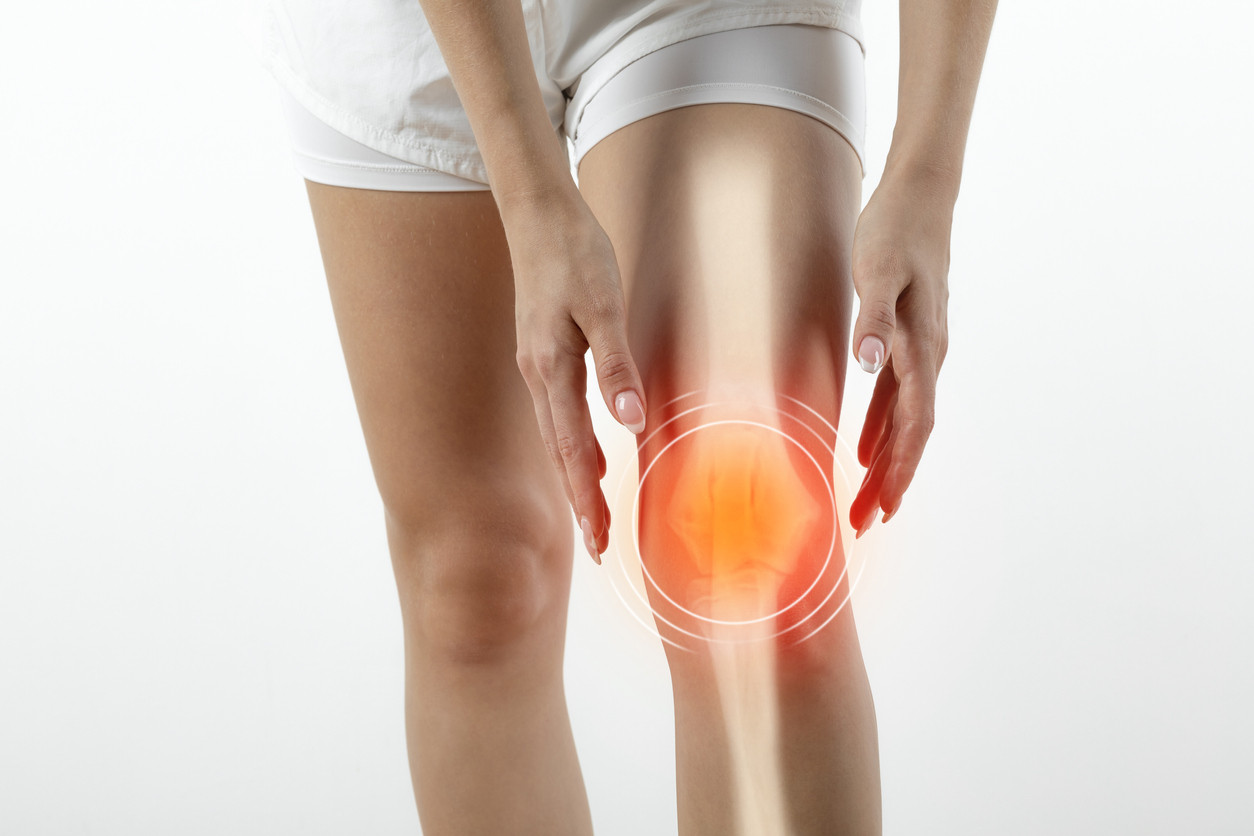
Knee dislocation is a condition where the knee joint shifts or moves out of its normal position. The incidence of knee dislocation is estimated at 43 cases per 100,000 people per year, with the highest frequency occurring in the 10 to 14 age group. Knee dislocation is more common in females, accounting for around 85% of total cases. Knee instability is thought to represent about 3% of all knee-related issues.
Patients typically present with visible deformity in the affected knee and an inability to straighten the knee. Lateral dislocation (to the side) is the most frequent type, compared to medial dislocation (towards the middle). Lateral dislocation may be caused by congenital conditions that affect development and growth or as a result of trauma. Congenital knee dislocation is most commonly seen in children with Down syndrome.
Causes
Acute knee dislocation usually results from trauma, either from indirect injury or a direct blow to the knee. There are two types of trauma mechanisms: high-energy and low-energy. High-energy trauma typically occurs due to motor vehicle accidents or dashboard injuries, where the knee is struck while bent. Falling from a height can also lead to high-energy trauma. Low-energy trauma, such as injuries sustained during sports like football, can cause knee dislocation when the knee undergoes extreme twisting movements.
Knee dislocation can also occur in patients with weak ligaments (connective tissues between joints). These patients often experience repeated subluxations (partial dislocations) of the knee, which can eventually lead to full dislocation. Ligament weakness is more common in women and is often linked to conditions such as Marfan syndrome or Ehlers-Danlos syndrome. Muscle weakness, particularly in the vastus medialis oblique (a muscle that shapes the thigh), can also contribute to knee instability.
Congenital knee dislocation may also occur, most often in patients with Down syndrome. This is associated with a smaller knee structure, and surgery is typically required to return the knee to its normal position.
Knee dislocation generally occurs laterally and can be classified based on the timing of its occurrence:
- Solitary dislocation, this occurs when an individual experiences knee dislocation for the first time, typically due to trauma.
- Recurrent dislocation occurs after the knee has returned to its normal position following a previous dislocation. This can be caused by traumatic or non-traumatic events.
- Habitual dislocation, characterized by dislocation that occurs whenever the knee is bent.
- Chronic dislocation, a persistent knee dislocation that leads to ongoing instability. This can be caused by congenital disease, infection, or surgery.
Risk Factor
Several potential risk factors can influence the occurrence of knee dislocation, including:
- Younger age. About 45% of all knee dislocation cases occur in younger individuals, as they are more physically active and therefore more prone to trauma-related injuries
- Anatomical abnormalities of the knee that increase the risk of recurrent dislocation through non-traumatic mechanisms
- A family history of recurrent knee dislocation
- Female gender
Symptoms
Symptoms of knee dislocation can arise acutely, immediately after trauma (both contact and non-contact). Some common signs and symptoms include:
- Knee pain
- Visible deformity of the knee
- A history of knee trauma or injury
- A "popping" sound at the time of injury, accompanied by knee displacement
- Difficulty straightening the knee
- Bruising around the knee or hemarthrosis (bleeding into the joint)
Diagnosis
Diagnosis of knee dislocation is based on the patient’s symptoms, physical examination, and supporting tests conducted by the physician. During an examination of acute knee dislocation, characteristic signs such as bruising in the knee joint (hemarthrosis) will be observed. Deformities of the knee, such as misalignment between the thigh, knee, and calf, are also typically present.
The examiner will assess for tenderness around the knee and evaluate the knee’s range of motion, including flexion (bending) and extension (straightening). Additional diagnostic tests, such as X-rays, CT scans, and MRI, may be performed depending on the doctor's assessment of the patient's condition.
Management
Initial management of knee dislocation includes immobilizing the joint to rest the knee and reduce the patient's pain. The next step is to reposition the joint to its normal position, known as reduction. This can be done either surgically or non-surgically.
Complications
Possible complications from knee dislocation include:
- Vascular compression, occurring in about 5-15% of cases
- Arthrofibrosis (joint stiffness) is the most common complication, affecting around 38% of patients
- Knee weakness and instability, occurring in about 37% of cases
- Peroneal nerve injury, which affects the nerves involved in foot movement
Prevention
Knee dislocation is usually caused by trauma, so prevention strategies include protective measures during activities with a high risk of injury. For congenital cases, early diagnosis is important to ensure optimal treatment and prevent permanent disability.
When to See a Doctor?
The treatment for knee dislocation is generally similar to that for other bone and joint injuries caused by trauma. After receiving first aid, patients should promptly see a doctor for further treatment. If you experience a knee dislocation, it is advisable to consult an orthopedic specialist.
Looking for more information about other diseases? Click here!
- dr. Alvidiani Agustina Damanik
Review: Fixed Pattelar Dislocation. (2022). Retrieved 20 September 2022, from https://advances.massgeneral.org/ortho/journal.aspx?id=2270
Risk assessment and management of primary patellar dislocation is complex and multifactorial: a survey of Australian knee surgeons. (2022). Retrieved 20 September 2022, from https://www.sciencedirect.com/science/article/pii/S2059775421003126
Patellar Dislocation With Genu Valgum Treated by DFO. (2022). Retrieved 20 September 2022, from https://www.researchgate.net/publication/237093095
Knee Dislocation. (2022). Retrieved 20 September 2022, from https://www.orthobullets.com/trauma/1043/knee-dislocation