
Definition
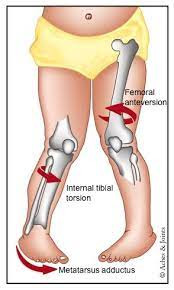
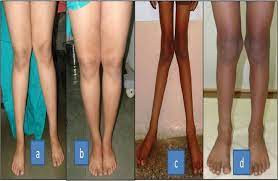
Babies are often born with genu varum, a condition caused by their cramped position in the womb. Genu varum, also known as bowlegs, occurs when the knees curve outward, creating a gap between them and giving the legs an O-shaped appearance. This condition typically improves by the age of two. While genu varum rarely causes serious complications, if the condition persists beyond two years, treatments such as braces, casts, or surgery may be necessary.
Genu varum can affect one or both knees. When your child stands straight with feet and heels together, their knees will appear to move apart and outward, creating a bow shape. This is why it is commonly referred to as bowlegs.
In Indonesia, genu varum is quite common, often due to physiological genu varum, which usually resolves on its own before the age of two. The cases that require treatment are typically caused by vitamin D and calcium deficiencies.
Causes
Genu varum can be caused by various factors. Most commonly, it is physiological genu varum, a condition resulting from the baby’s bent position in the womb. As the fetus grows, its legs fold due to the limited space in the womb, with some bones rotating and bending to achieve a comfortable position.
Physiological genu varum is a normal part of child development. However, if the condition doesn’t improve by age two, other causes may be involved, such as:
- Blount's disease: A growth disorder affecting the tibia’s growth plate, more common in African-American children, overweight children, and those who start walking early.
- Rickets: Caused by a deficiency in calcium or vitamin D, leading to soft and weak bones that bow outward. Rickets is rare in developed countries but still occurs in developing nations like Indonesia.
- Dwarfism: The most common form of dwarfism, achondroplasia, can result in genu varum.
- Other bone disorders: Poorly healed fractures and skeletal dysplasia can also lead to genu varum.
- Fluoride poisoning
- Lead poisoning
Risk Factor
Several factors increase the risk of genu varum, including:
- Obesity
- Vitamin D deficiency
- Playing soccer
- Being an athlete
- A diet low in dairy and high in fiber
Symptoms
The most easily identifiable symptom of genu varum is when the knees do not touch while standing straight, forming an O-shaped appearance. Other symptoms may include:
- Hip pain
- Knee pain
- Reduced hip mobility
- Knee instability, leading to frequent falls
- Lack of confidence while standing or walking
In children, genu varum is clearly visible when they are learning to walk. Some children may walk on their toes. The condition rarely affects a child’s ability to crawl, walk, or run. However, if genu varum persists beyond the age of two, parents should consult a pediatrician. If left untreated, genu varum can lead to knee arthritis in adulthood.
Diagnosis
The diagnosis of genu varum, or bow legs, is made through a combination of medical history, physical examination, and supporting tests.
Medical History
A doctor will conduct an interview to gather relevant information. This includes asking about the main complaint, any associated symptoms, how long the condition has persisted, prior treatments, medical history, and daily activities. Patients with genu varum often report changes in their walking pattern and frequent tripping.
Physical Examination
A doctor will then perform a physical examination by observing the patient's gait and inspecting the knees and legs while standing upright. The examination often reveals an O-shaped leg configuration, with the knees moving apart.
Diagnostic Tests
To confirm the condition, the doctor may order an X-ray to examine the bones. Additionally, blood tests may be recommended to check for vitamin D and calcium deficiencies.
Management
Treatment for genu varum depends on the severity of the condition. In children without underlying diseases, doctors typically monitor the child’s development. However, if a vitamin D or calcium deficiency is present, supplementation may be recommended.
For patients over the age of two or those with more severe cases, the following treatments may be considered:
- Special footwear to correct walking posture
- Braces
- Casts
- Surgery to correct bone deformities
- Treating the underlying cause of genu varum
Complications
Genu varum rarely leads to direct complications. However, complications may arise from underlying conditions, such as decreased self-esteem due to the visible nature of the condition, frequent falls, and tripping.
Prevention
There is no specific way to prevent physiological genu varum. However, certain steps can reduce the risk of conditions that cause genu varum. For example, preventing rickets by consuming foods rich in vitamin D and calcium, such as milk, nuts, and fish, or taking vitamin D and calcium supplements, along with sun exposure, can help. Consult your doctor for advice tailored to your child’s needs.
When to See a Doctor?
If genu varum persists after the age of two, consult a pediatrician to determine the underlying cause. For adults, see an orthopedic specialist if genu varum is accompanied by persistent knee pain.
Looking for more information about other diseases? Click here!
- dr. Alvidiani Agustina Damanik
Cleveland Clinic - Bow Legged (Genu Varum) (2021). Retrieved 23 November 2022, from https://my.clevelandclinic.org/health/diseases/22049-bow-legged
Healthline - Bowlegs (Congenital Genu Varum) (2019). Retrieved 23 November 2022, from https://www.healthline.com/health/bowlegs\
Medscape - Pediatric Genu Varum (2021). Retrieved 23 November 2022, from https://emedicine.medscape.com/article/1355974-overview