
Definition
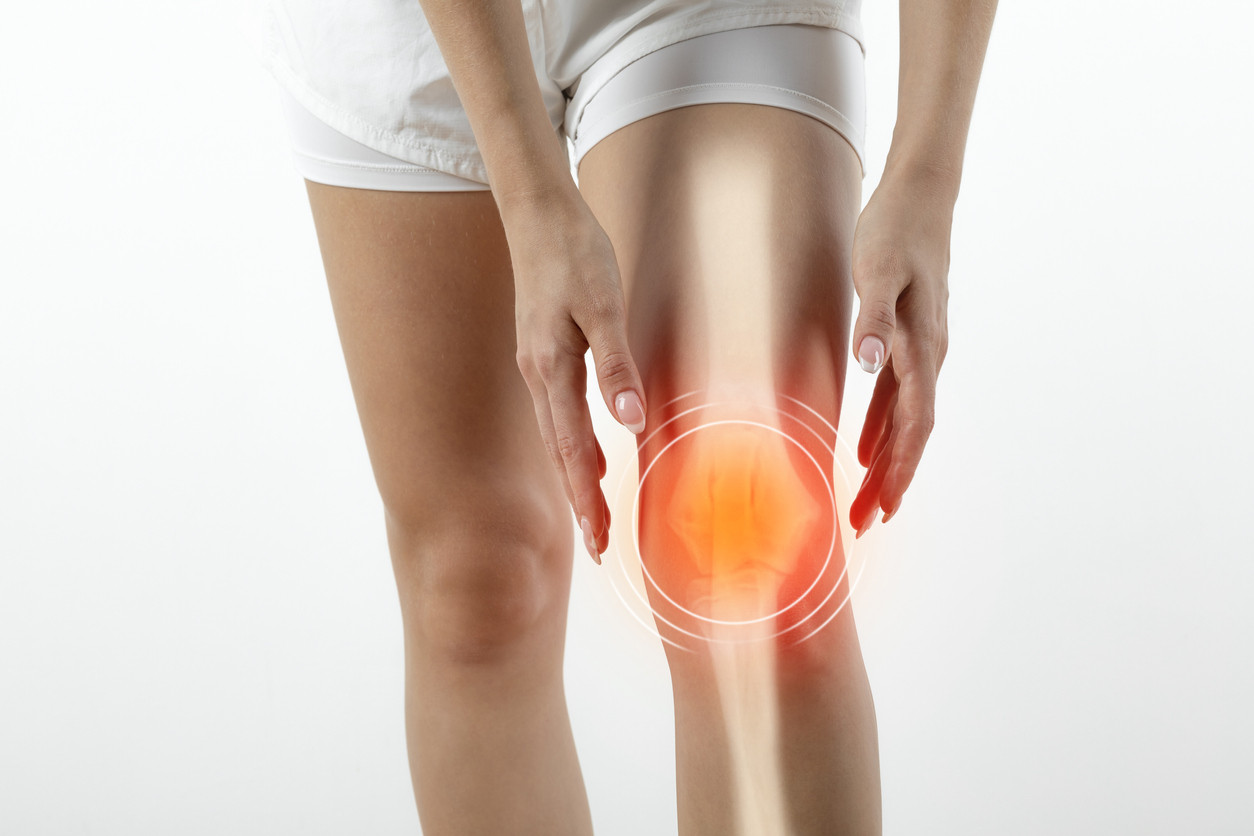
A meniscus injury is one of the most common knee injuries. The meniscus is a soft, C-shaped cartilage cushion located between the thigh bone (femur) and the shin bone (tibia). It acts as a shock absorber for the knee, preventing the femur and tibia from rubbing against each other during knee movement. There are two types of menisci in each knee: the medial meniscus, located on the inner side of the knee, and the lateral meniscus on the outer side.
Activities that involve twisting the knee, especially when bearing weight, can cause a meniscus tear. This injury can result in pain, swelling, and stiffness and may make it difficult to fully straighten the knee.
Causes
The common cause of a meniscus tear is aggressive movements, such as pivoting or forcing the knee to twist while the foot is firmly planted or coming to a sudden stop during running. A meniscus tear can also occur with other knee injuries, such as ligament injuries (the connective tissue that connects bones).
Other factors that can cause a meniscus tear include:
- Aging, which can weaken the structure and function of the meniscus, making it more prone to tearing over time. Even small movements in vulnerable individuals can cause tears
- Individuals with osteoarthritis or joint degeneration experience joint damage that makes their meniscus more likely to tear
- Direct trauma to the knee
We have articles about osteoarthritis that you can read here: Osteoartritis - Definition, Cause And Risk Factors.
Risk Factor
Several risk factors increase the likelihood of a meniscus tear, such as playing sports where aggressive knee twisting is common. Athletes in football, basketball, tennis, and badminton frequently perform movements that put stress on the knees, increasing the risk of a meniscus tear.
Age-related weakening of the meniscus, being overweight or obese, and carrying heavy loads frequently also contribute to the risk of tearing the meniscus.
Symptoms
In some cases, people with a meniscus tear can still walk or continue their activities, but symptoms often worsen within 2-3 days when the knee becomes swollen and stiff. Meniscus injuries are categorized as mild, moderate, or severe:
- In mild meniscus injuries, the pain is minimal, and joint swelling usually appears after 2-3 weeks.
- In moderate meniscus injuries, pain is more localized, such as on the outer or inner side of the knee. Swelling typically appears within 2-3 days, and knee movement becomes limited. Symptoms may subside within 2-3 weeks but can recur with overuse of the knee.
- In severe meniscus injuries, part of the meniscus may detach and shift within the joint space. A "pop" sound might be heard when the tear occurs, and the joint may become locked, limiting movement.
Diagnosis
Diagnosis of a meniscus injury involves a thorough interview (anamnesis) regarding:
- Symptoms and any worsening of the injury
- Activities performed before the injury
- Mechanism of the injury
- Patient's medical history
- Treatments already attempted
A physical examination will be done to detect a meniscus tear. One such test is the McMurray test, where the patient is asked to bend the knee, then straighten and rotate it. This motion places tension on the torn meniscus. If the meniscus is torn, the movement may cause joint pain.
Imaging tests such as x-rays, CT scans, or MRIs may be ordered to get a better view of the knee and check for other knee injuries. X-rays (radiographs) are used to see the bone structure and rule out other causes of knee pain.
Management
Most cases of mild to moderate meniscus tears do not require surgery. Tears in the outer third of the meniscus can heal on their own due to the blood supply in that area, which helps regenerate cartilage. However, the inner two-thirds of the meniscus, which lack blood supply, cannot heal on their own and may require further treatment, including surgery.
First aid for a meniscus injury aims to reduce swelling and pain using the RICE method:
- R: Rest the injured area to prevent further damage and allow healing.
- I: Ice the area to reduce swelling and lower the temperature around the injured tissue.
- C: Compress the injury with a bandage to reduce swelling.
- E: Elevate the injured limb above heart level to encourage fluid drainage from the swollen area.
RICE therapy combined with anti-inflammatory pain relievers, such as aspirin or ibuprofen, can reduce pain and swelling. Surgery may be necessary if symptoms include difficulty moving the leg, instability while walking, or persistent symptoms that interfere with daily activities. Arthroscopic surgery is often used to preserve meniscus function, repair the joint, alleviate pain, and improve knee mobility.
Recovery time depends on the severity of the tear. Post-surgical recovery generally takes 4-6 weeks. It typically takes about two weeks to rest and undergo physical therapy to strengthen the knee joint and speed up recovery. Physical therapy is usually done after the wound heals. Rehabilitation time for meniscus repair is around three months.
Complications
If a meniscus tear is left untreated, complications can include:
- Limited range of motion
- Difficulty performing daily activities or playing sports
- Persistent, chronic pain
- Weakness in the knee
- Knee instability
- Arthrofibrosis, a condition where excessive scar tissue develops around the injury, causing joint pain and limited motion due to joint stiffness
Prevention
Meniscus injuries can happen unexpectedly, but prevention includes avoiding sudden twisting motions of the knee, preventing direct trauma to the legs, and not overusing the knee joint. Maintaining an ideal weight can help reduce stress on the knees. A nutritious diet and joint-supporting vitamins are also beneficial.
When to See a Doctor?
Mild cases of meniscus injuries often heal on their own with home care. However, moderate to severe injuries should be evaluated by a doctor, especially if swelling, pain, difficulty straightening the leg, or reduced knee mobility are present. Consulting a doctor can help you receive immediate care and minimize the risk of complications.
Looking for more information about other diseases? Click here!
- dr. Alvidiani Agustina Damanik
Mayo Clinic. (2022). Torn Meniscus. Retrieved from: https://www.mayoclinic.org/diseases-conditions/torn-meniscus/symptoms-causes/syc-20354818.
Penn Medicine. (2020). Meniscus Tears: Why You Should Not Let Them Go Untreated. Retrieved from: https://www.pennmedicine.org/updates/blogs/musculoskeletal-and-rheumatology/2018/september/meniscus-tears-why-you-should-not-let-them-go-untreated.
Howard Luks MD. What is A Meniscus?. Retrieved from: https://www.howardluksmd.com/education/what-is-a-meniscus/.
Johns Hopkins Medicine. Torn Meniscus. Retrieved from: https://www.hopkinsmedicine.org/health/conditions-and-diseases/torn-meniscus.
Cedars Sinai. Medial and Lateral Meniscus Tears. Retrieved from: https://www.cedars-sinai.org/health-library/diseases-and-conditions/m/medial-and-lateral-meniscus-tears.html.