Definition
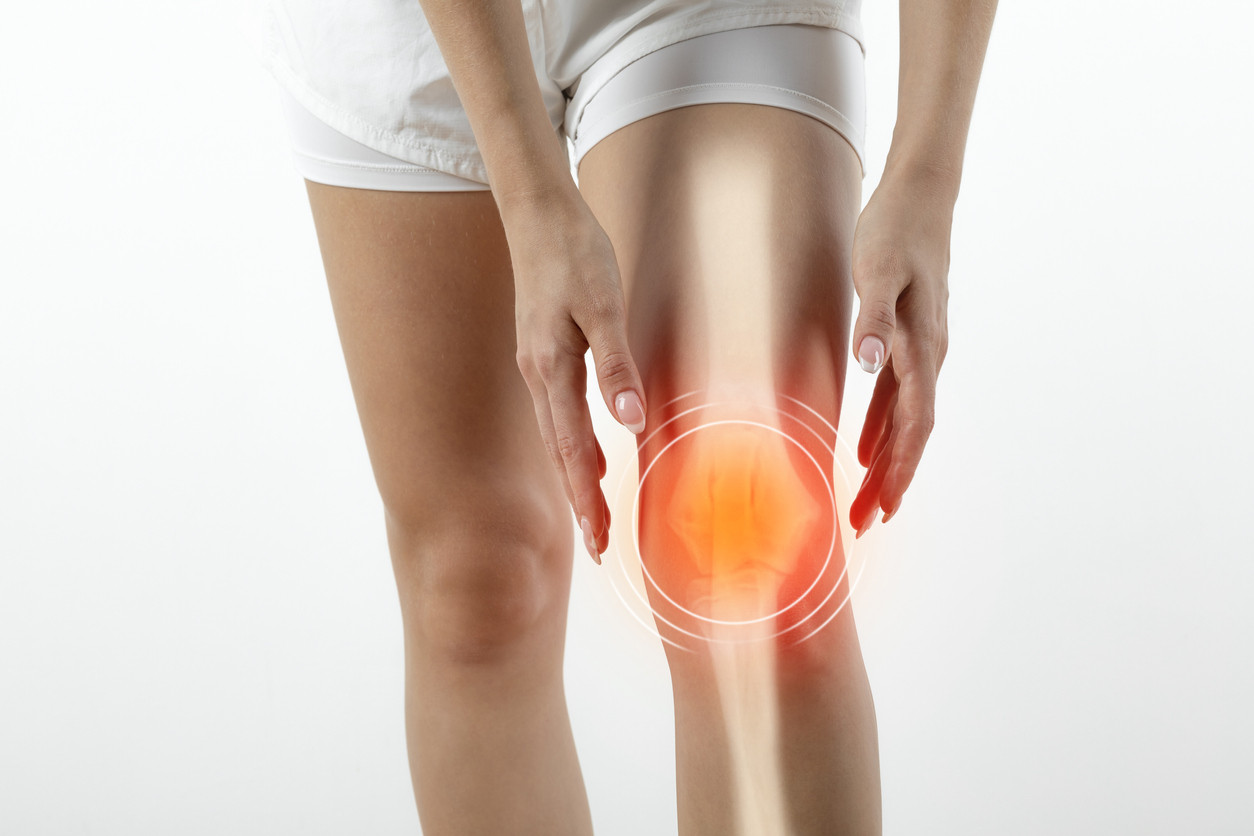
A ligament injury is damage to the connective tissue between bones or joints due to physical trauma. Ligaments are strong and flexible enough to support bones and joints that are connected to each other. Ligaments resemble bands that connect bones to joints.
Therefore, when a ligament is injured, it causes symptoms that make daily activities difficult.
Causes
Ligament injuries can be caused by instability when stopping movement, leading to a twisting motion that results in injury. This often occurs when the ligament around the joint is fully stretched, causing it to detach from the bone.
One of the most commonly injured ligaments is the knee ligament. There are three main ligaments around the knee that are prone to injury:
Anterior Cruciate Ligament (ACL)
The ACL is one of the primary ligaments that support the knee. Studies categorize ACL injuries as either contact or non-contact. Non-contact ACL injuries typically occur from jumping, landing, or sudden changes in direction, while contact injuries happen due to direct impact to the knee.
Research shows that almost 80% of ACL injuries are non-contact. Most ACL tears occur in athletes, particularly those involved in sports like skiing, soccer, and basketball. Soccer players are at higher risk for contact-related ACL injuries.
Posterior Cruciate Ligament (PCL)
Located behind the knee, the PCL connects the thighbone to the shinbone. It helps stabilize the shinbone during movement. PCL injuries typically result from a strong impact to the upper shinbone while the knee is bent, such as in a "dashboard injury" during a car crash when the knee strikes the dashboard.
PCL injuries can also occur from falling forward with a bent knee. In sports, PCL injuries are most common in soccer, skiing, and baseball.
Collateral Ligaments
These ligaments are located on the sides of the knee. The medial collateral ligament (MCL) is on the inside, and the lateral collateral ligament (LCL) is on the outside. Both control sideways movement of the knee joint.
MCL injuries frequently occur in sports, particularly in skiing. About 60% of knee injuries in skiing involve the MCL. These injuries may be caused by twisting or sudden impact to the ligament. MCL injuries can occur in isolation or in combination with other knee injuries.
The most common LCL injury mechanism is a severe blow to the knee from the front-middle direction, resulting in hyperextension (excessive straightening) of the knee. Non-contact LCL injuries can also occur due to hyperextension.
Risk Factor
Several factors increase the risk of ligament injuries:
- Athletes. Athletes, particularly those in high-speed sports involving jumping and twisting movements, are more prone to ligament injuries. Sports like soccer and skiing put knee ligaments, especially, at risk.
- Mechanical trauma from traffic accidents. Dashboard injuries from car crashes often damage the PCL when the knee strikes the dashboard.
- Gender. Studies indicate that women are at higher risk of ACL injuries due to weaker hamstrings and less stable thigh muscles. Men, however, experience more ligament injuries overall, particularly in soccer, due to the larger number of male athletes.
- Age. Ligament injuries are common in young adults, who tend to engage in more physical activity.
Symptoms
Common symptoms of ligament injuries include:
- Pain in the injured ligament, usually acute and occurring immediately after trauma. The pain worsens with movement.
- Swelling caused by inflammation in the surrounding tissue.
- Instability in the joint with the torn ligament, sometimes making it impossible to move due to severe pain.
- In ACL injuries, a "popping" sound may be heard at the time of injury.
Diagnosis
Diagnosis is made through a review of the trauma mechanism, physical examination, and diagnostic imaging. Physical exams typically reveal pain upon pressing the injured ligament, and deformities like swelling may be visible. X-rays, ultrasound, and MRI are used to confirm the diagnosis.
Management
If you suspect a joint, bone, or ligament injury during sports, follow the PRICE principle for first aid:
- Protection: Protect the injured area from further damage.
- Rest: Avoid movements involving the injured part and reduce daily physical activity.
- Ice: Apply ice to the injury for 15-20 minutes every 2-3 hours, using a towel to wrap the ice.
- Compression: Use an elastic compression bandage to reduce swelling.
- Elevation: Raise the injured area by 30°-45° to help reduce swelling.
Complications
Delayed diagnosis or improper treatment can lead to chronic joint instability and long-term pain, significantly impacting quality of life. In some cases, nerve paralysis and dysfunction in the injured area may occur.
Prevention
Ligament injuries often occur during sports, and the following measures can reduce the risk:
- Warm up properly before exercise and stretch afterward
- Avoid excessive or forced movements
- Use proper equipment, like running shoes for running or shin guards for soccer
- Athletes should practice proper physical training techniques
- Consult a qualified trainer before starting new sports or physical activities
When to See a Doctor?
Ligament injuries may require physical therapy or even surgery. If you suspect a ligament injury, seek immediate medical attention to avoid complications.
Looking for more information about other diseases? Click here!
- dr. Alvidiani Agustina Damanik
Ligament injury: Causes, Symptoms and Treatment. (2022). Retrieved 3 September 2022, from https://canberraorthopaedic.com.au/orthopaedics-act-conditions-treated/knee-conditions-and-procedures,ligament-injuries/ligament-injury-causes-symptoms-treatment/
Sports injuries. (2020). Retrieved 3 September 202, from https://www.nhs.uk/conditions/sports-injuries/treatment/
Ligament Injuries to the Knee. (2022). Retrieved 3 September 2022, from https://www.hopkinsmedicine.org/health/conditions-and-diseases/ligament-injuries-to-the-knee
Anterior Cruciate Ligament Knee Injuries (2022). Retrieved 3 September 2022, from https://www.ncbi.nlm.nih.gov/books/NBK499848/
Anterior cruciate ligament injury patterns and their relationship to fatigue and physical fitness levels – a cross-sectional study. (2022). Retrieved 3 September 2022, from https://www.ncbi.nlm.nih.gov/pmc/articles/PMC7793338/
Posterior Cruciate Ligament Knee Injuries . (2022). Retrieved 3 September 2022, from https://www.ncbi.nlm.nih.gov/books/NBK430726/
Ligament Injury, Reconstruction and Osteoarthritis . (2022). Retrieved 3 September 2022, from https://www.ncbi.nlm.nih.gov/pmc/articles/PMC1948850/
Medial Collateral Ligament Knee Injuries. (2022). Retrieved 3 September 2022, from https://www.ncbi.nlm.nih.gov/books/NBK431095/
Lateral Collateral Ligament Knee Injuries . (2022). Retrieved 3 September 2022, from https://www.ncbi.nlm.nih.gov/books/NBK560847/
Mechanisms, Prediction, and Prevention of ACL Injuries: Cut Risk With Three Sharpened and Validated Tools. (2022). Retrieved 3 September 2022, from https://www.ncbi.nlm.nih.gov/pmc/articles/PMC5505503/