
Definisi
Osteosarkoma adalah kanker tulang yang berasal dari sel pembentuk tulang yang disebut osteoblas. Kanker ini merupakan kanker tulang yang paling umum terjadi. Osteosarkoma adalah kanker ganas yang bisa menyebar ke organ tubuh lain.
Terdapat 3,4 juta kasus baru per tahun terkait osteosarkoma di dunia. Osteosarkoma adalah kanker ketiga tersering pada remaja, dengan puncak kasus baru osteosarkoma ditemukan pada dekade kedua kehidupan.
Penyebab
Osteosarkoma umumnya muncul secara tiba-tiba. Penyakit ini diduga muncul karena adanya mutasi (perubahan materi genetik) dari osteoblas (sel pembentuk tulang). Mutasi ini menyebabkan sel osteoblas tumbuh dan memperbanyak diri secara tidak terkendali melebihi kondisi normalnya, sehingga mengakibatkan terbentuknya tumor. Tumor tersebut kemudian menginvasi dan merusak jaringan sehat di sekitarnya.
Faktor Risiko
Sama seperti penyakit kanker lainnya, sebagian besar osteosarkoma terjadi secara sporadik (tidak menentu dengan frekuensinya berubah-ubah) sehingga faktor risiko penyakit ini juga tidak sama antar individu, berikut faktor risiko tersering yang terjadi pada osteosarkoma adalah:
Usia dan Jenis Kelamin
Kasus osteosarkoma banyak ditemukan pada anak-anak dan remaja, dan remaja adalah kelompok usia yang paling banyak terkena. Osteorsarkoma dianggap paling sering terjadi di usia antara 10 dan 30 tahun, terutama pada remaja selama masa pertumbuhan. Risiko menurun pada usia pertengahan namun dapat mengalami peningkatan lagi pada usia di atas 60 tahun. Osteosarkoma lebih sering dijumpai ditemukan pada pria dibanding wanita dengan rasio 3:2.
Tinggi badan
Penderita osteosarkoma umumnya memiliki perawakan yang lebih tinggi untuk anak se-usianya.
Riwayat radiasi
Seseorang yang diberikan terapi radiasi untuk kanker lain lebih berisiko mengalami osteosarkoma pada area tubuh yang pernah diberikan terapi radiasi. Terapi radiasi pada pasien dengan usia lebih muda dan dosis yang tinggi bisa meningkatkan risiko terjadinya osteosarkoma.
Penyakit tulang tertentu
Penyakit Paget (penyakit yang mengganggu siklus penggantian jaringan tulang lama dengan tulang baru) bisa meningkatkan risiko seseorang mengalami osteosarkoma. Tulang yang mengalami penyakit ini lebih keras dan tebal namun lebih rapuh daripada tulang normal.
Penyakit akibat mutasi genetik lain
Mutasi genetik berikut bisa menjadi faktor risiko osteosarkoma, yaitu:
- Retinoblastoma, kanker mata pada retina yang bisa ditemukan pada anak-anak.
- Sindrom Li-Fraumeni, sindrom genetik yang membuat risiko seseorang untuk mengalami kanker semakin meningkat karena mutasi pada gen penekan tumor.
- Sindrom Werner, kelainan yang sangat jarang dijumpai dan melibatkan gen WRN untuk perbaikan materi genetik yang rusak
- Sindrom Rothmund-Thomson, ditandai dengan tubuh pendek, ruam, rambut rontok, dan kelainan rangka.
Gejala
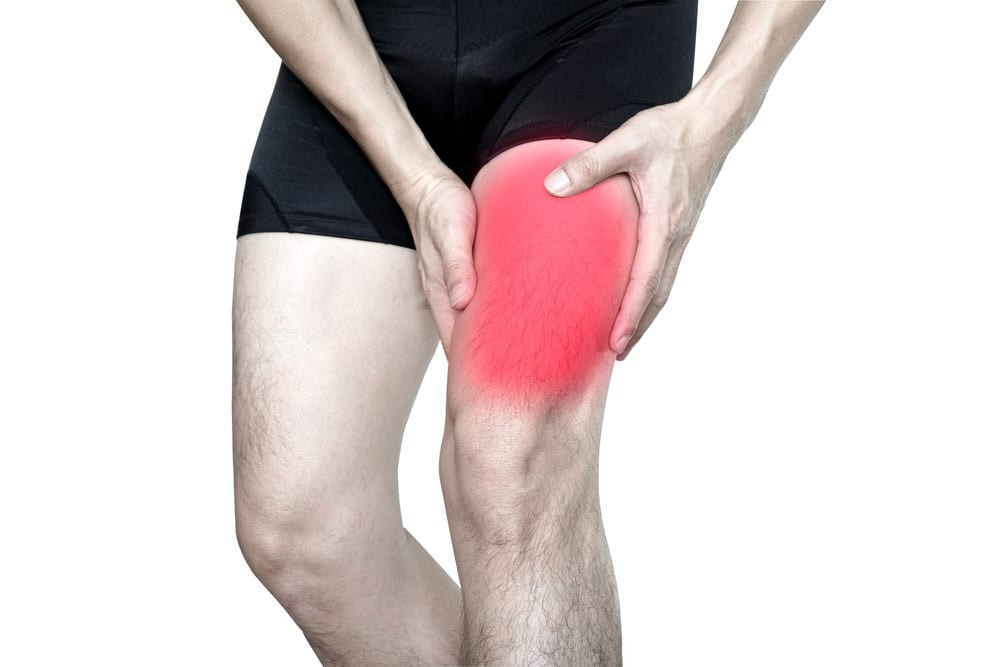
Osteosarkoma umumnya terjadi pada remaja usia 20 tahun ke bawah karena pertumbuhan tulang mereka masih cepat dan aktif. Umumnya osteosarkoma terjadi pada tulang-tulang besar di area tulang dengan tingkat pertumbuhan tercepat. Kanker tulang ini sering ditemukan di tulang paha dan tulang kering betis di dekat lutut, serta tulang lengan atas di dekat bahu.
Gejala yang bisa dirasakan penderitanya umumnya adalah:
- Rasa nyeri pada tulang, yang dirasakan meningkat saat malam hari atau setelah beraktivitas.
- Pembengkakan, kemerahan pada kulit yang menutupi tulang, dan teraba hangat pada daerah tulang yang terasa nyeri.
- Patah tulang dapat terjadi tiba-tiba tanpa cedera sebelumnya, yang terjadi setelah aktivitas rutin.
- Pergerakan tulang yang terbatas karena nyeri dan perubahan bentuk pada tulang.
Gejala lainnya adalah gejala di luar tulang yang berkaitan dengan pengaruh kanker di seluruh bagian tubuh seperti:
- Demam.
- Cepat lelah.
- Berat badan turun tanpa sebab yang jelas.
- Pucat.
- Gejala lain terkait organ yang sudah terkena penyebaran sel kanker.
Pada kasus yang sangat jarang dijumpai jika kanker terdapat pada dasar tulang belakang atau panggul, penderita bisa merasakan nyeri punggung. Selain itu, keluhan hilangnya kontrol usus besar atau kandung kemih juga bisa timbul bila kanker ada di area panggul atau dasar tulang belakang.
Diagnosis
Diagnosis ditegakkan dengan mengetahui perjalanan penyakit penderita, gejala yang menjadi keluhan, serta hasil pemeriksaan fisik dan pemeriksaan penunjang. Beberapa pemeriksaan penunjang yang umumnya dilakukan untuk diagnosis osteosarkoma bisa dilihat di bawah ini.
Laboratorium darah
Pemeriksaan ini dilakukan untuk mencari kemungkinan penyebab dan menyingkirkan diagnosis penyakit lain yang bisa menimbulkan keluhan nyeri. Dokter bisa memeriksakan marker (penanda) tumor dan peradangan.
X-ray (rontgen)
Pencitraan dilakukan pada tulang yang mengalami keluhan atau ditemukan tanda-tanda penyakit. Rontgen tulang pada kasus tumor bisa dilakukan dengan zat kontras. Zat tersebut mengandung bahan radioaktif yang disuntikkan ke pembuluh darah. Tulang dengan kondisi normal akan menyerap lebih lambat bahan radioaktif dibanding tulang yang menderita tumor.
Pencitraan lain
CT scan bermanfaat untuk mengetahui tingkat keparahan invasi dan penyebaran kanker ke organ di sekitarnya. Selain itu, MRI juga bisa dilakukan untuk mengetahui gambaran tulang lebih detail, serta tingkat keparahan penyebaran kanker ke organ di sekitarnya. PET scan (positron emission tomography) bermanfaat untuk menunjukkan penyebaran kanker ke seluruh tubuh dengan menggunakan bahan radioaktif.
Biopsi
Pemeriksaan ini dilakukan dengan pengambilan sampel jaringan atau tulang dari bagian tubuh yang terasa nyeri atau bengkak. Sampel jaringan kemudian diperiksa di laboratorium untuk menemukan sel tumor penyebab osteosarkoma.
Tata Laksana
Pemilihan terapi akan didasarkan pada beberapa faktor seperti lokasi tumor, stadium dan derajat penyebaran kanker serta kondisi kesehatan pasien secara keseluruhan. Terapi yang diberikan dapat berupa pembedahan, kemoterapi, dan terapi radiasi.
Tujuan pembedahan tumor adalah untuk mengangkat total jaringan tumor. Ada beberapa pilihan pembedahan seperti pemotongan jaringan, rekonstruksi anggota tubuh yang dipoerasi, hingga amputasi. Sementara itu, terapi radiasi diberikan untuk mencegah kemunculan kembali penyakit.
Kemoterapi bisa diberikan untuk mengecilkan ukuran tumor sebelum dilakukan prosedur operasi, atau diberikan setelah terapi utama untuk menurunkan risiko kanker kambuh kembali. Obat-obatan yang hampir digunakan di semua regimen kemoterapi salah satunya adalah doxorubicin dan cisplatin.
Komplikasi
Komplikasi osteosarkoma didapatkan pada penderita yang terlambat didiagnosis dan mendapat pengobatan. Angka harapan hidup penyakit ini cukup rendah, yaitu sekitar 20%, meskipun untuk osteosarkoma yang masih berada di area tulang tertentu dan belum menyebar ke organ lain.
Perkembangan kemoterapi dan teknik pembedahan mampu meningkatkan harapan hidup lima tahun sampai di atas 60%. Namun, hal ini juga tergantung pada jenis kanker, respon pasien terhadap terapi, dan derajat penyebaran kanker. Jika osteosarkoma terdiagnosis lebih awal dan pasien mendapat terapi sebelum sel kanker menyebar ke organ lain, harapan hidup 5 tahun secara umum pada semua usia adalah 77%.
Pencegahan
Osteosarkoma bersifat sporadik sehingga untuk pencegahan juga tidak serta merta spesifik dilakukan untuk mencegah osteosarkoma. Pada umumnya penyakit kanker merupakan penyakit dengan penyebab multifaktorial dan tidak diketahui penyebab pastinya.
Dalam hal ini osteosarkoma berkaitan dengan mutasi genetik dari osteoblas (sel pembentuk tulang). Namun, bila Anda memiliki anggota keluarga dengan riwayat menderita tumor tulang atau pernah menerima terapi radiasi pada tulang sebelumnya, Anda bisa dianggap memiliki faktor risiko. Sebaiknya orang dengan faktor risiko menjaga pola hidup yang sehat.
Kapan Harus ke Dokter?
Kondisi yang paling umum ditemukan pada penderita osteosarkoma adalah nyeri tulang dan adanya pembesaran/pembengkakan di tulang yang terkena. Apabila Anda mengalami gejala dan tanda ini, maka sebaiknya Anda memeriksakan diri ke dokter untuk mengetahui kondisi Anda lebih lanjut.
Mau tahu informasi seputar penyakit lainnya? Cek di sini, ya!
- dr Hanifa Rahma

Osteosarkoma. Retrieved 25 August 2022, from https://iccc.id/osteosarkoma
Bone Cancer. (2021). Retrieved 21 August 2022, from https://www.nccn.org/patients/guidelines/content/PDF/bone-patient.pdf
Apa saja Gejala dan Tanda Osteosarkoma? - Direktorat P2PTM. (2019). Retrieved 25 August 2022, from http://p2ptm.kemkes.go.id/infographic-p2ptm/penyakit-kanker-dan-kelainan-darah/page/12/apa-saja-gejala-dan-tanda-osteosarkoma
Misaghi A, Goldin A, Awad M, Kulidjian AA. Osteosarcoma: a comprehensive review. SICOT J. 2018;4:12. doi: 10.1051/sicotj/2017028. Epub 2018 Apr 9.

/630bbc8397ada.jpg)
/62d2542a6fbfe.jpg)