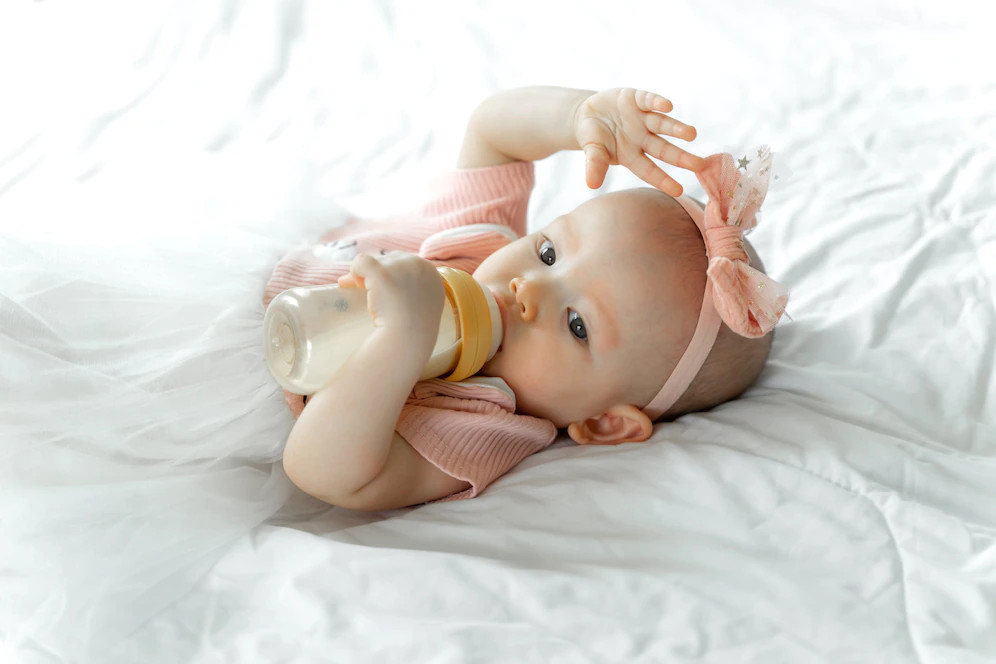
Menyusui tak hanya memberikan manfaat bagi kesehatan bayi saja, namun juga kesehatan ibu. ASI memberikan pasokan nutrisi yang ideal yang dibutuhkan bayi untuk bertumbuh dan berkembang, serta memberikan perlindungan dari jenis penyakit tertentu.
American Academy of Pediatrics merekomendasikan agar setiap ibu memberikan ASI pada bayi secara eksklusif hingga usia bayi 6 bulan, dan melanjutkan menyusui hingga anak berusia 12-24 bulan atau lebih.
Namun sayangnya, sebagian ibu berhenti dan menyerah memberikan ASI eksklusif dengan alasan ASI yang sedikit dan tidak cukup. Anda tidak sendiri apabila sedang menemui masalah yang sama, tidak sedikit kok ibu yang juga memiliki problem dengan suplai ASI-nya. Kabar baiknya, problem ini dapat diatasi dengan mengetahui faktor yang menyebabkan penurunan suplai ASI.
Penurunan Suplai ASI
Ada beberapa faktor yang sangat berpengaruh pada jumlah suplai ASI, di antaranya:
- Faktor emosional
Stres disebut-sebut sebagai pembunuh no.1 pasokan ASI, terutama dalam beberapa minggu pertama setelah melahirkan. Penyesuaian jam tidur, kurang tidur, peningkatan hormon tertentu membuat Anda cenderung stres, yang kemudian secara dramatis mengurangi suplai ASI Anda. Sangatlah penting bagi ibu untuk menciptakan lingkungan yang santai dan nyaman selama menyusui, dan membuat pengalaman menyusui menjadi menyenangkan serta bebas stres.
Jangan ragu untuk meminta bantuan memasak, mencuci pakaian atau mengerjakan pekerjaan rumah tangga selama Anda fokus menyusui.
- Kondisi medis dan pengobatan tertentu
Beberapa kondisi medis seperti tekanan darah tinggi, diabetes atau PCOS dapat mempengaruhi produksi ASI. Selain itu, konsumsi obat yang mengandung pseudoefedrin, seperti obat sinus dan alergi, jenis kontrasepsi hormonal tertentu dapat berisiko menurunkan produksi ASI.
Apabila Anda memiliki kondisi medis tertentu, Anda dapat membicarakan dengan dokter atau konsultan laktasi untuk mencari solusi atas hal ini.
- Makan atau minum terlalu sedikit
Adalah lumrah bila tubuh Anda tidak langsung kembali seperti semula setelah melahirkan. Jangan membebani pikiran Anda dengan penampilan tubuh yang akan mengacaukan produksi ASI Anda.
Cukupi kebutuhan kalori harian tubuh untuk tetap dapat memproduksi ASI yang cukup. Apabila memang Anda khawatir akan berat badan yang berlebih, Anda bisa membicarakan dengan dokter dan memilih mana saja menu yang tetap dapat menunjang produksi ASI namun tidak menyebabkan kelebihan berat badan.
Selain itu, sangatlah penting untuk menyempatkan diri memenuhi kebutuhan cairan tubuh. Bila perlu, miliki botol khusus yang dapat memotivasi Anda untuk minum setidaknya 2 liter setiap harinya. Anda juga bisa menambahkan menu sup di setiap jadwal makan sehingga Anda bisa mendapatkan tambahan asupan cairan dari makanan.
- Sedang sakit
Virus seperti influenza atau pilek tidak akan mempengaruhi produksi ASI, namun gejala yang menyertai seperti kelelahan, diare, mual, muntah, kehilangan nafsu makan sangat mempengaruhi suplai ASI. Apabila Anda sedang sakit dan masih harus menyusui, Anda bisa tetap meningkatkan produksi ASI dengan memompa ASI sesuai jadwal sehingga bayi juga lebih aman dan tidak tertular oleh Anda.
Meningkatkan Kembali Suplai ASI
Walaupun Anda adalah salah satu wanita yang seringkali mengkhawatirkan produksi ASI, percayalah bahwa kekurangan suplai ASI adalah kondisi yang sangat langka dan jarang. Anda hanya perlu mengetahui cara yang tepat untuk meningkatkan kembali suplai ASI seperti berikut ini:
- Tidak menunda menyusui bayi secara langsung
- Menyusui kapanpun bayi meminta, misalnya setiap 2-3 jam sekali
- Periksa perlekatan mulut bayi, dan pastikan perlekatannya tepat sehingga bayi dapat menelan ASI dengan maksimal
- Tawarkan payudara hingga kosong setiap sesi menyusui, dan lakukan secara bergantian
- Jangan melewatkan sesi menyusui. Bila perlu, tambahkan jadwal pumping untuk meningkatkan produksi ASI
- Hindari memberikan dot pada bayi terutama bayi baru lahir agar ia mengikuti jadwal menyusu sesuai kebutuhannya
- Hindari konsumsi alkohol dan merokok selama menyusui agar tidak menyebabkan penurunan suplai ASI
- Gunakan suplemen ASI yang disarankan oleh dokter dan jangan meminum suplemen sembarangan yang dapat berakibat pada kesehatan Anda
Apabila bayi terlihat tidak menyusu dengan tepat atau suplai ASI Anda tidak meningkat walaupun sudah mencoba beberapa cara di atas, bicarakan dengan dokter atau konsultan laktasi untuk mendapatkan saran serta teknik menyusui yang tepat.
Mau tahu informasi seputar kehamilan, menyusui, kesehatan wanita dan anak-anak? Cek di sini, ya!
- dr Anita Larasati Priyono

Adrienne Santos-Longhurst (2018). 5 Ways to Increase Breast Milk Production. Available from: https://www.healthline.com/health/parenting/how-to-increase-breast-milk?utm_source=ReadNext
Elizabeth LaFleur, R.N. (2020). What causes a low milk supply during breast-feeding?. Available from: https://www.mayoclinic.org/healthy-lifestyle/infant-and-toddler-health/expert-answers/low-milk-supply/faq-20058148
Donna Murray, RN, BSN (2022). Causes of a Low Breast Milk Supply and What You Can Do About It. Available from: https://www.verywellfamily.com/common-causes-of-low-breast-milk-supply-431846
CDC (2021). Breastfeeding Benefits Both Baby and Mom. Available from: https://www.cdc.gov/nccdphp/dnpao/features/breastfeeding-benefits/index.html
Shivani Patel, M.D. (2022). 4 factors that can decrease breast milk supply – and how to replenish it. Available from: https://utswmed.org/medblog/decrease-breast-milk-supply/