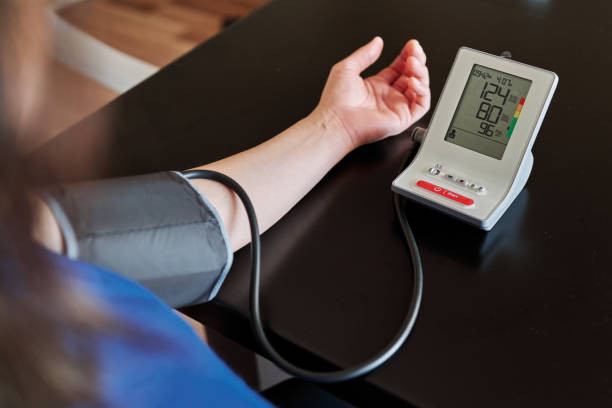

High blood pressure, or hypertension, is often associated with heart attacks, strokes, heart failure, aneurysms, and other cardiovascular complications. The challenge is that hypertension or high blood pressure may not cause symptoms in its early stages of disease.
Many people only learn they have hypertension after a routine blood pressure check shows consistently elevated readings and not normal blood pressure.
Blood pressure problems are not confined to older adults; young people can be affected too. Experts suspect that staying up late and insomnia can harm the health, and also contributing to the causes of hypertension.
Why Can Sleep Deficiency Cause Hypertension?
You are generally considered to have sufficient, good-quality sleep if you sleep 7 to 8 hours each night. Sleeping fewer than 6 hours can strain the body and lead to stress, jet lag sensations, dizziness, or feeling unwell in the morning. If this pattern continues day after day, you are at greater risk for heart disease, obesity, and diabetes.
When you sleep, blood pressure typically declines and stays in a healthier range, especially if you get enough rest. However, if you are sleep-deprived, blood pressure tends to increase and can remain elevated for longer periods of time, especially of you keep having late night sleeps repeatedly.
Sleep supports the regulation of hormones involved in stress and metabolism. Over time, inadequate sleep can alter these hormones in ways that contribute to high blood pressure and other cardiovascular risk factors.
Can Weekend Catch-Up Sleep Fix Sleep Deprivation?
Sleep deficiency cannot be solved by simply sleeping longer on the weekends. Too much sleep at a time could raise blood sugar and promote weight gain, both of which are harmful to the heart.
The most effective way to address sleep deprivation is to set a consistent schedule and aim for 7 to 8 hours of quality, restful sleep each night. If workload is the issue, consider going to bed earlier and waking earlier so tasks are completed before the day begins.
Managing Sleep Deprivation Related to Insomnia
Another common reason young adults lose sleep is insomnia. Insomnia is a frequent sleep disorder that makes it hard to fall asleep, hard to stay asleep, or causes very early waking with difficulty returning to sleep. Insomnia lowers energy, affects mood, and significantly impacts health, performance, and quality of life.
To manage sleep deprivation related to insomnia, start by identifying the triggers of your sleep loss. These may include stress, an overloaded schedule, late meals, or excessive screen time.
After pinpointing the triggers, choose the solutions that target those triggers. Practice relaxation, organize work hours more effectively, adjust meal timing so it is not too late or too close to bedtime, and put away gadgets at least one hour before going to bed.
Chronic insomnia is not always resolved with lifestyle changes alone. Counseling, structured therapy, and medication may be needed. Consult a doctor if persistent insomnia disrupts your life so you can restore restful sleep, maintain normal blood pressure, and reduce the risk of heart disease and other complications related to the causes of hypertension.
Mau tahu informasi seputar penyakit lainnya? Cek di sini, ya!
- dr Hanifa Rahma
Lopez-Jimenez, F. (2021). Sleep deprivation: A cause of high blood pressure?. Available from: https://www.mayoclinic.org/diseases-conditions/high-blood-pressure/expert-answers/sleep-deprivation/faq-20057959
Makarem, N. (2021). Effect of Sleep Disturbances on Blood Pressure. Available from: https://www.ahajournals.org/doi/10.1161/HYPERTENSIONAHA.120.14479
Harvard Medical School (2015). Trouble falling asleep linked to high blood pressure. Available from: https://www.health.harvard.edu/diseases-and-conditions/trouble-falling-asleep-linked-to-high-blood-pressure
CDC (2021). How Does Sleep Affect Your Heart Health?. Available from: https://www.cdc.gov/bloodpressure/sleep.htm
Mayo Clinic (2021). High blood pressure (hypertension). Available from: https://www.mayoclinic.org/diseases-conditions/high-blood-pressure/symptoms-causes/syc-20373410
Mayo Clinic (2016). Insomnia. Available from: https://www.mayoclinic.org/diseases-conditions/insomnia/diagnosis-treatment/drc-20355173