High blood pressure, or hypertension, can lead to serious health complications, including an increased risk of cardiovascular diseases such as stroke, heart attack, heart failure, and aneurysm. The key to managing hypertension is reducing the risk of these complications.
If you're diagnosed with high blood pressure, in addition to following your doctor's prescribed medication regimen, adopting a healthy lifestyle is essential. Practicing these good habits can significantly lower the risk of complications caused by high blood pressure.
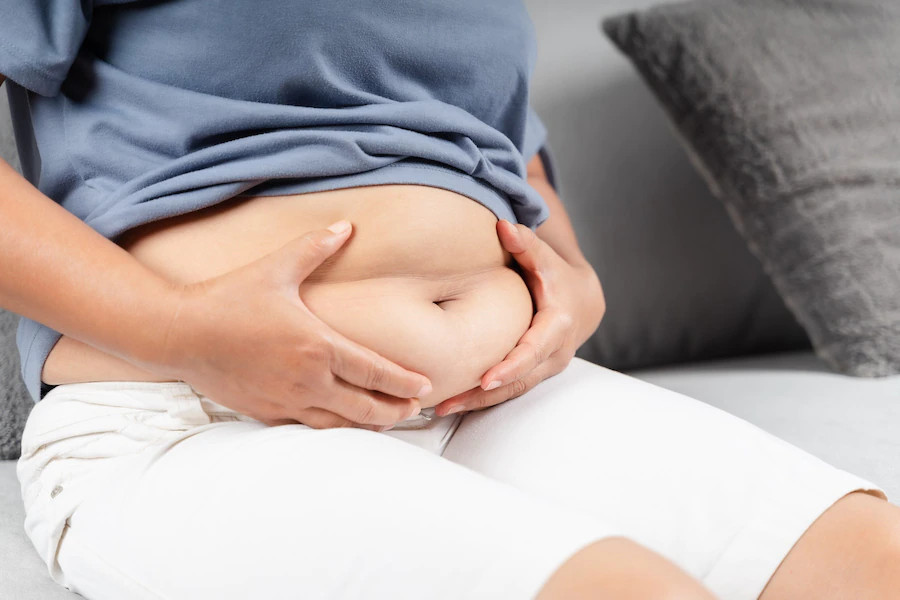
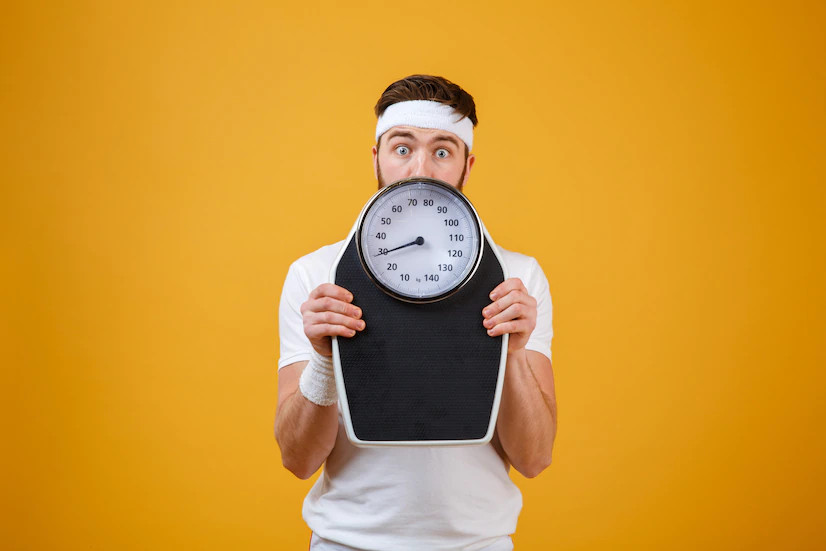
Lose Weight
Did you know that your blood pressure increases as your weight rises? Losing weight to reach a healthy weight is one of the most effective lifestyle changes for controlling blood pressure.
For every kilogram you lose, your blood pressure can drop by approximately 1 mmHg.
It's also important to monitor your waist circumference. Extra fat around the waist increases the risk of high blood pressure. For optimal health, men should aim for a waist measurement of less than 102 cm, and women should target less than 89 cm.
Exercise Regularly
Adults are recommended to engage in at least 150 minutes of moderate aerobic activity or 75 minutes of vigorous aerobic activity each week. This guideline helps maintain a healthy weight and offers greater health benefits.
Exercising for about 30 minutes on most days of the week can lower blood pressure by around 5-8 mmHg if you have hypertension. If you're also aiming to lose weight, it's suggested to exercise for at least 300 minutes weekly.
Cut Back on Sodium Intake
The American Heart Association recommends no more than 2,300 mg of sodium per day for those in good health, and no more than 1,500 mg per day for those with high blood pressure.
Table salt (sodium chloride) contains about 40% sodium. According to the American Heart Association, here’s an estimate of the sodium content in salt:
-
1/4 teaspoon salt contains 575 mg sodium
-
1/2 teaspoon salt contains 1,150 mg sodium
-
3/4 teaspoon salt contains 1,725 mg sodium
-
1 teaspoon salt contains 2,300 mg sodium
Quit Smoking
Smoking causes a temporary increase in blood pressure and heart rate. Stopping smoking will help bring your blood pressure back to normal, reduce the risk of heart disease and other health issues, and improve overall health.
Limit Caffeine Intake
Caffeine can cause a sudden spike in blood pressure, even in people without hypertension. The exact cause of this increase isn’t fully understood, as blood pressure responses to caffeine vary between individuals.
Some researchers believe caffeine may block a hormone that helps keep your arteries relaxed. Other studies suggest that caffeine triggers the release of more adrenaline from the adrenal glands, raising blood pressure.
It’s important to monitor your blood pressure if you have hypertension. Visit your doctor regularly, follow their advice, and take any prescribed medications as directed. Your doctor may suggest checking your blood pressure two weeks after starting treatment and one week after your next visit. By following all the recommendations, you can maintain a healthier lifestyle.
Looking for more information about other diseases? Click here!
- dr Hanifa Rahma
Adam Felman (2021). Everything you need to know about hypertension (high blood pressure). Available from: https://www.medicalnewstoday.com/articles/150109
WebMD (2021). How to Measure Your Waist. Available from: https://www.webmd.com/diet/guide/calculating-your-waist-circumference
Edward R. Laskowski, M.D. (2021). How much should the average adult exercise every day?. Available from: https://www.mayoclinic.org/healthy-lifestyle/fitness/expert-answers/exercise/faq-20057916
American Heart Association (2016). Shaking the Salt Habit to Lower High Blood Pressure. Available from: https://www.heart.org/en/health-topics/high-blood-pressure/changes-you-can-make-to-manage-high-blood-pressure/shaking-the-salt-habit-to-lower-high-blood-pressure
Paola Primatesta et all (2001). Association Between Smoking and Blood Pressure. Available from: https://www.ahajournals.org/doi/10.1161/01.hyp.37.2.187
Francisco Lopez-Jimenez, M.D. (2021). How does caffeine affect blood pressure?. Available from: https://www.mayoclinic.org/diseases-conditions/high-blood-pressure/expert-answers/blood-pressure/faq-20058543