If you have a history of high blood pressure or hypertension, paying attention to your daily eating habits is essential to keep your blood pressure under control. One of the recommended approaches is the Dietary Approaches to Stop Hypertension (DASH), an eating plan designed to help prevent and manage hypertension. What does the DASH diet look liike? Take a look at the explanation below.
DASH Diet for High Blood Pressure (Hypertension)
DASH stands for Dietary Approaches to Stop Hypertension. This dietary approach focuses on limiting salt intake and also provide balanced nutrition, so hypertensive patients can help manage their blood pressure and may reduce reliance on antihypertensive drugs. Several studies have shown that following the DASH diet for about two weeks can lower systolic blood pressure by up to 14 points in people with hypertension.
Although the DASH diet was originally developed for individuals with high blood pressure, it can also be applied to help manage other conditions, such as heart disease, stroke, diabetes, kidney stones, and osteoporosis.
DASH Diet Menus
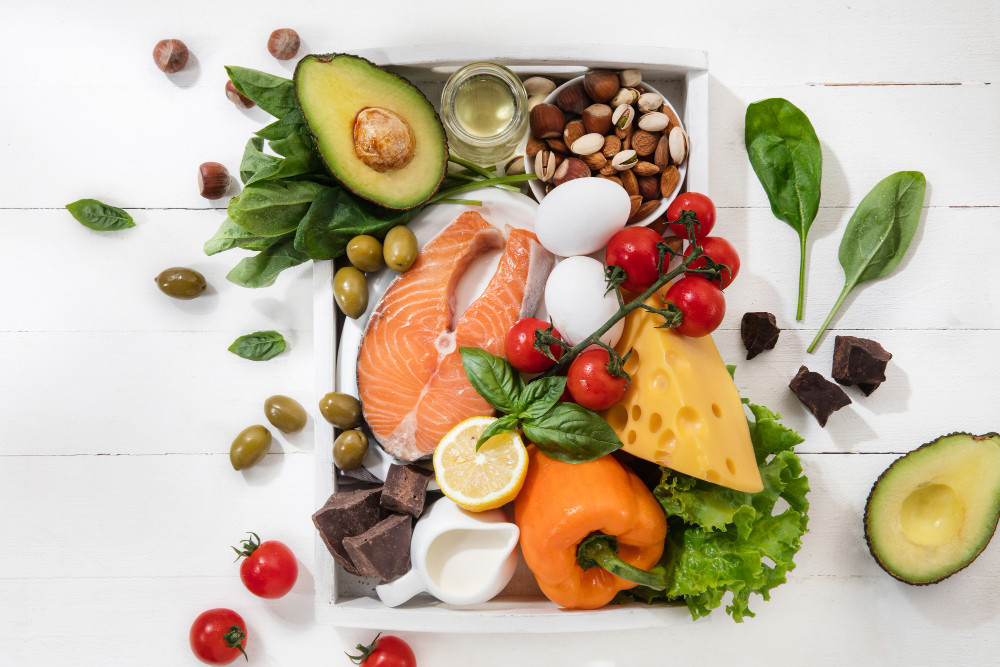
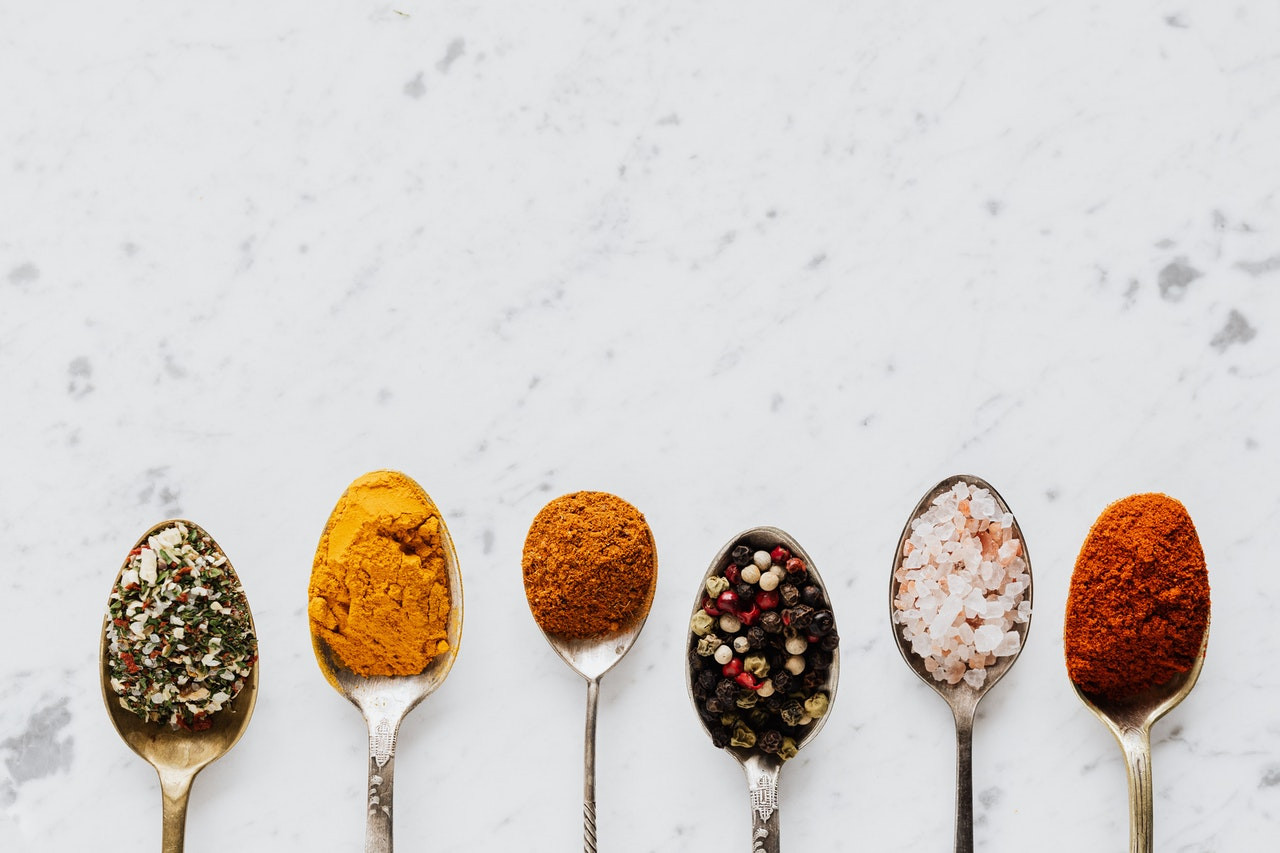
People with hypertension who adopt the DASH diet need to cut back on sodium or salt in their daily meals. Because of this, the DASH diet advises limiting processed and canned foods that are high in sodium. The recommended sodium intake for people with hypertension is no more than 1500 mg per day, which is roughly equal to 2/3 of a teaspoon. In addition, the DASH diet restricts foods high in cholesterol and encourages greater consumption of vegetables, fruits, fish, poultry, and nuts.
Some examples of DASH-style menus you can incorporate into your daily meals include:
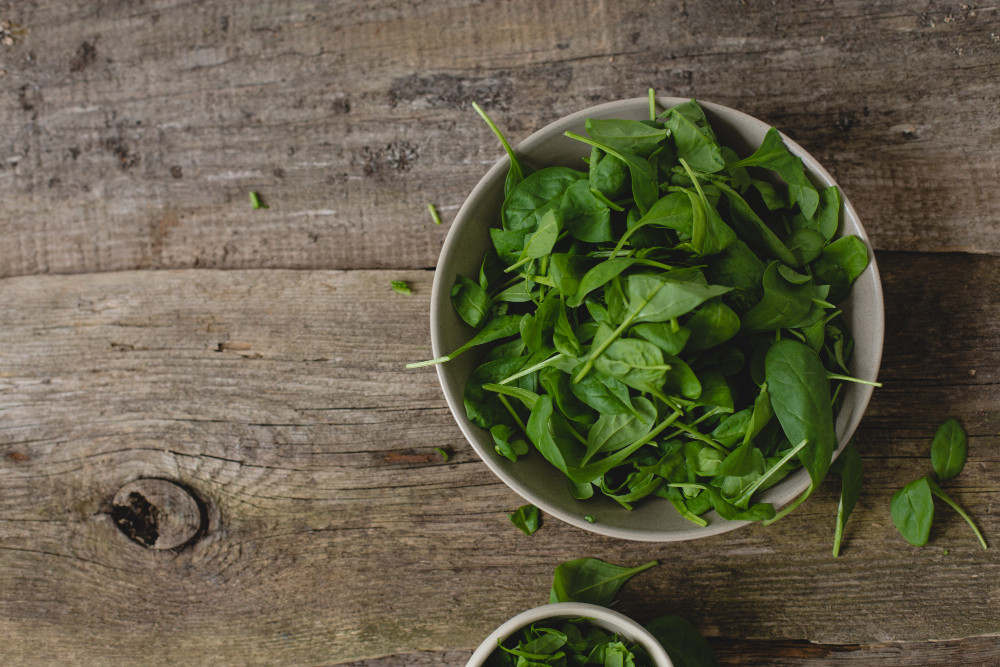
1. SVegetables: 4-5 servings per day
In the DASH diet, vegetables are treated as a main component of the meal instead of just a side dish. You are encouraged to eat 4-5 servings each day. Recommended vegetables include carrots, root vegetables, and green leafy vegetables such as spinach, kale, and broccoli.
2. Rice and wheat: 6-8 servings per day
For carbohydrate choices, you can opt for whole grains that are rich in fiber or brown rice, which helps you feel full for longer. Bread made from whole wheat is also suitable, as long as it is not prepared with butter, cheese, or other high-fat toppings.
3. Fruits: at least 4-5 servings per day
Fruit can be served as a healthy snack between main meals in the DASH diet. The preferred options are cut fresh fruit or freshly made juices without added sugar. Fruits that are rich in potassium, such as bananas, are especially recommended because they can help reduce tension in blood vessels and lower blood pressure.
4. Animal protein: maximum 2 servings per day
Meat provides high-quality protein. People with hypertension are allowed to eat meat in limited amounts, ideally not more than 6 servings per day, with a focus on smaller portions at each meal. Choose lean cuts of meat with lower cholesterol levels. Besides meat, you can include fatty fish such as salmon that have high omega-3 fatty acids contents.
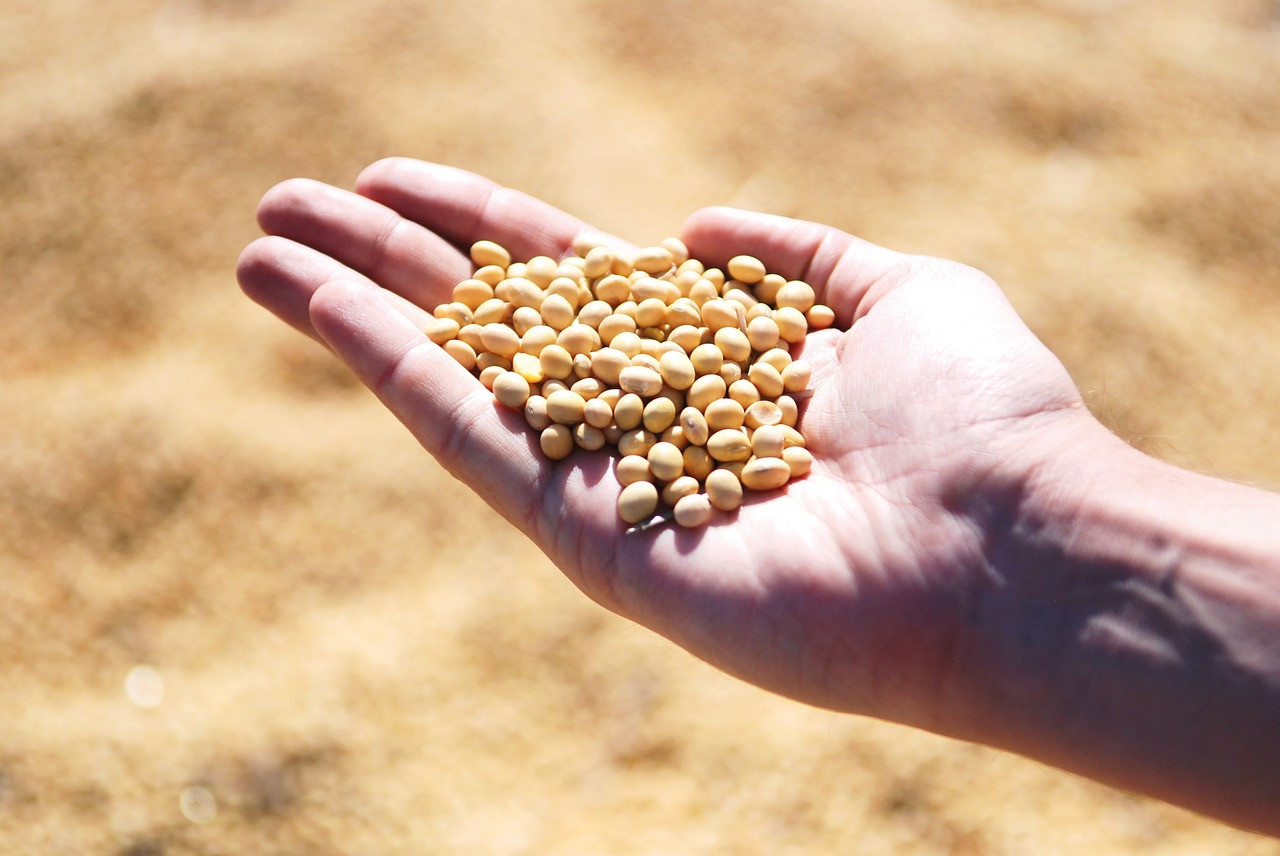
5. Nuts and seeds: 3-5 servings per day
Recommended nut and seed sources include beans and their processed forms, such as mung beans, red beans, tempeh, plain tofu, and oncom. Nuts contain omega-3 fatty acids and fiber, which can help reduce the risk of heart disease and contribute to lowering blood pressure. If you eat nuts as a snack, be mindful of the portion size because they are relatively high in calories.
6. Fats and oils
For fats and oils in the DASH diet, you can use margarine, vegetable oil, or low-fat mayonnaise. For healthy unsaturated fats, olive oil and avocado are good choices.
7. Low-fat dairy products: 2-3 servings per day
As sources of vitamin D, calcium, and protein, you can include dairy products such as cheese and yogurt, preferably in low-fat or reduced-fat forms.
8. Sweets: maximum 5 servings per week
Sweets are still allowed in the DASH diet, but the portion and calorie content need to be controlled. Some sweet foods that can still be enjoyed include jelly, low-sugar agar-based desserts, and low-sugar biscuits.
This is a basic overview of the DASH diet. You can adjust it according to your preferences and health status, or consult a nutritionist to get menu recommendations that suit your needs.
People with hypertension who apply the DASH diet need to limit sodium or salt intake in their daily meals.
Looking for information about nutrition, food and other diet tips? Click here!
- dr Hanifa Rahma
National Heart, Lung, and Blood Institute. DASH Eating Plan. Available from: https://www.nhlbi.nih.gov/health-topics/dash-eating-plan.
West H. The Complete Beginner's Guide to the DASH Diet (2018). Available from: https://www.healthline.com/nutrition/dash-diet.
Beckerman J. DASH Diet and High Blood Pressure (2021). Available from: https://www.webmd.com/hypertension-high-blood-pressure/guide/dash-diet.
Kementrian Kesehatan Republik Indonesia. Modifikasi Dietary Approaches to Stop Hypertension. 2018.