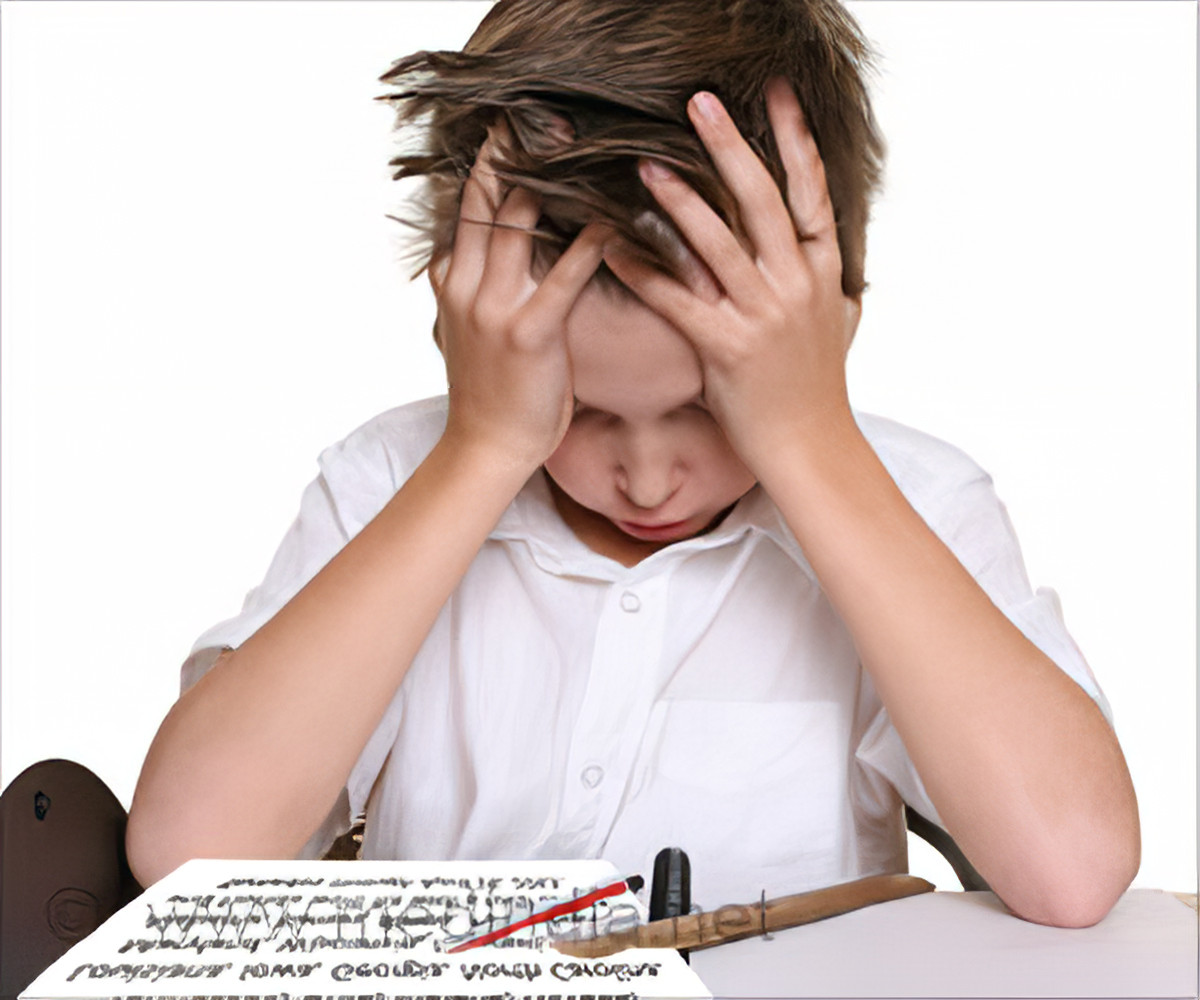
Definisi
Gangguan perkembangan belajar khas adalah gangguan yang ditandai oleh satu atau lebih gangguan pada keterampilan menulis, membaca, atau berhitung.
Disgrafia
Gangguan keterampilan menulis disebut disgrafia. Gangguan ini dapat mengenai anak-anak atau orang dewasa. Selain menulis kata-kata yang sulit dibaca, orang dengan disgrafia cenderung menggunakan kata yang salah dalam berkomunikasi.
Disleksia
Gangguan keterampilan membaca disebut disleksia. Pada gangguan ini, terdapat masalah dalam mengidentifikasi suara pembicaraan dan mempelajari huruf serta kata.
Diskalkulia
Sementara, gangguan dalam berhitung disebut diskalkulia. Orang dengan diskalkulia mengalami kesulitan belajar yang berkaitan dengan konsep matematika.
Penyebab
Disgrafia
Penyebab disgrafia antara lain:
- Pada anak-anak: gangguan bagian otak tertentu yang bertugas mengingat kata-kata tertulis dan mengatur gerak tangan atau jari saat menulis kata-kata
- Pada dewasa: riwayat kejadian traumatis, stroke, atau cedera otak. Secara khusus, cedera pada lobus parietal kiri otak, yaitu otak kiri sisi atas belakang, dapat menyebabkan disgrafia
Disleksia
Disleksia dapat disebabkan oleh:
- Faktor keturunan
- Kelainan gen tertentu yang mempengaruhi otak dalam mengatur kemampuan membaca dan bahasa
- Faktor lingkungan
Diskalkulia
Sementara pada diskalkulia, penyebabnya adalah:
- Pengenalan matematika hanya secara konseptual tanpa metode atau contoh yang nyata, sehingga jalur saraf yang bertugas untuk memahami konsep matematika tidak berkembang dengan baik
- Keturunan
- Budaya dan pola belajar keluarga
Faktor Risiko
Gangguan belajar sering terjadi dalam keluarga atau terkait dengan perkembangan sejak dalam kandungan. Anak dengan disgrafia seringkali juga memiliki gangguan belajar lainnya. Sebagai contoh, mengalami gangguan pemusatan perhatian dan hiperaktivitas atau attention-deficit hyperactivity disorder (ADHD). ADHD dapat meningkatkan risiko disgrafia karena pemusatan perhatian terkait erat dengan kemampuan menulis dan membaca.
Gangguan belajar lainnya yang terkait dengan disgrafia adalah disleksia. Pada disleksia, faktor risikonya adalah:
- Riwayat keluarga dengan disleksia atau gangguan belajar lain
- Lahir prematur atau berat badan lahir rendah
- Paparan nikotin, obat-obatan, alkohol, atau infeksi selama kehamilan yang dapat mengganggu perkembangan otak janin
- Variasi individu pada bagian otak yang mengatur fungsi membaca
Diskalkulia dapat muncul sendirian atau bersamaan dengan keterlambatan perkembangan dan gangguan saraf lainnya. Anak-anak dan orang dewasa lebih berisiko jika memiliki gangguan disleksia, defisit perhatian, gangguan hiperaktif, depresi, dan kecemasan.
Gejala
Tulisan tangan yang tidak terbaca adalah tanda umum disgrafia. Namun, tidak semua orang dengan tulisan tangan yang sulit dibaca berarti memiliki gangguan ini. Beberapa penderita disgrafia memiliki tulisan tangan rapi, meskipun mungkin membutuhkan waktu lama dan usaha lebih untuk menulis dengan rapi.
Disgrafia
Beberapa karakteristik umum disgrafia meliputi:
- Ejaan dan kapitalisasi huruf yang salah
- Tulisan bercampur antara huruf sambung dan lepas
- Ukuran dan spasi huruf tidak tepat
- Kesulitan menyalin kata
- Menulis dengan lambat atau susah payah
- Kesulitan memvisualisasikan kata-kata sebelum menulis
- Posisi tubuh atau tangan yang tidak biasa saat menulis
- Memegang pena atau pensil dengan kuat hingga tangan menjadi kram
- Pandangan mengarah ke tangan saat menulis
- Mengucapkan kata-kata dengan keras saat menulis
- Menghilangkan beberapa huruf dan kata pada kalimat
- Sulit merencanakan dan mengeksekusi penulisan kalimat, kata, atau bahkan huruf
Disleksia
Tanda-tanda disleksia terkadang sulit dikenali sebelum anak masuk sekolah. Begitu anak mencapai usia sekolah, biasanya guru lah yang pertama menyadari adanya gangguan ini. Tingkat keparahannya bervariasi dan gejalanya akan semakin jelas saat anak mulai belajar membaca.
Penderita disleksia memiliki kecerdasan yang normal dan biasanya memiliki penglihatan yang normal. Sebagian besar anak disleksia dapat belajar dengan baik di sekolah dengan program pendidikan khusus. Dukungan emosional pada anak juga memainkan peranan penting.
Tanda dan gejala disleksia antara lain:
- Terlambat bicara
- Belajar kata baru secara perlahan
- Kesulitan membentuk kata dengan benar
- Kesulitan mengingat atau menamai huruf, angka, dan warna
- Kesulitan mempelajari lagu anak-anak atau bermain game berima
- Kemampuan membaca di bawah tingkatan yang sesuai usianya
- Sulit memahami kata-kata yang didengar
- Kesulitan menemukan kata yang tepat atau menjawab pertanyaan
- Kesulitan mengingat urutan atau kronologi
- Kesulitan melihat dan/atau mendengar persamaan serta perbedaan pada huruf dan kata
- Ketidakmampuan mengucapkan kata baru atau kata yang masih asing
- Kesulitan mengeja
- Menghindari kegiatan yang melibatkan membaca
- Kesulitan membaca, termasuk membaca dengan keras
- Salah mengucapkan nama atau kata, serta sulit memilih kata
- Sulit memahami idiom
- Kesulitan meringkas cerita
- Kesulitan belajar bahasa asing
- Kesulitan menghafal
- Memerlukan waktu yang sangat lama untuk menyelesaikan tugas yang melibatkan membaca atau menulis
Diskalkulia
Pada diskalkulia, gejalanya bervariasi tergantung usia dan tahap perkembangan. Gejala umum diskalkulia meliputi:
- Kesulitan memahami atau mengingat konsep matematika seperti perkalian, pembagian, pecahan, mempunyai, dan meminjam
- Kesulitan memahami dan menuliskan sebuah petunjuk beserta simbol dan tanda matematikanya, misalnya angka 2
- Kesulitan menjelaskan proses matematika atau tidak mau menunjukkan pekerjaannya saat diminta untuk menyelesaikan soal matematika
- Kesulitan menggambarkan urutan peristiwa atau mengingat langkah-langkah dalam proses matematika
Diagnosis
Disgrafia
Pada anak-anak, proses diagnosis disgrafia meliputi tes IQ dan penilaian tugas akademis. Pada orang dewasa, contoh tulisan atau tes tertulis digunakan untuk menilai gangguan ini. Saat penderita menulis, dokter akan mengamati untuk mencari gangguan motorik halus yang mungkin dimilikinya. Dokter juga akan memintanya menyalin kata dari satu sumber ke sumber lain untuk melihat apakah ada masalah pada pemrosesan bahasa.
Disleksia
Pada disleksia, biasanya dilakukan lebih dari satu tes untuk mendiagnosanya. Beberapa tes tersebut adalah:
- Dokter bertanya tentang perkembangan anak, pendidikan, riwayat kesehatan, dan riwayat gangguan belajar pada keluarga
- Dokter menanyakan gambaran keluarga dan kehidupan Anda, termasuk apakah ada masalah di rumah
- Dokter meminta anak Anda, anggota keluarga, atau guru untuk menjawab pertanyaan pada kuesioner. Anak diminta mengikuti tes untuk mengetahui kemampuan membaca dan bahasanya
- Tes penglihatan, pendengaran, dan fungsi otak untuk menentukan apakah ada kelainan lain yang menyebabkan gangguan membaca
- Tes psikologi. Dokter akan mengajukan pertanyaan kepada Anda dan anak Anda untuk lebih memahami kesehatan mental anak. Tes ini membantu menentukan apakah masalah sosial, kecemasan, atau depresi dapat membatasi kemampuan anak Anda
- Menguji kemampuan membaca dan akademik lainnya
Diskalkulia
Diagnosis diskalkulia dilakukan dalam beberapa langkah. Pertama, dokter akan menggali informasi tentang riwayat kesehatan pasien dan keluarga untuk menyingkirkan kemungkinan penyakit lain dan memastikan tidak ada kondisi darurat yang perlu ditangani. Selanjutnya, pasien dewasa dapat dirujuk ke psikolog dan anak-anak dirujuk ke tim spesialis perkembangan belajar, termasuk psikolog dan pakar pendidikan khusus, untuk memastikan diagnosis diskalkulia.
Tata Laksana
Disgrafia
Terapi okupasi dapat membantu meningkatkan keterampilan menulis. Terapi okupasi meliputi:
- Memegang pensil atau pena dengan cara berbeda untuk membuat menulis lebih mudah
- Membuat model tanah liat
- Menggambar huruf pada meja yang dilapisi krim
- Menggambar garis dalam labirin
- Bermain teka-teki menghubungkan titik
Jika ada gangguan belajar atau masalah kesehatan lainnya, pengobatan juga diperlukan untuk mengatasi kondisi penyerta.
Disleksia
Sampai saat ini belum ditemukan pengobatan untuk disleksia. Kesulitan yang dialami masing-masing penderita disleksia berbeda-beda. Namun, kebanyakan penderita akan menemukan cara untuk mengatasi keterbatasan mereka dan dapat berkembang.
Mengelola disleksia pada anak-anak dapat dilakukan melalui:
- Evaluasi kebutuhan anak, seperti program pendidikan khusus bagi anak disleksia
- Alat pembelajaran yang disesuaikan, seperti alat atau metode yang mengikutsertakan kerja indra, seperti sentuhan, penglihatan, dan pendengaran
- Bimbingan dan dukungan untuk meminimalisir rasa rendah diri
- Evaluasi berkelanjutan, ajarkan cara menghadapi masalah dengan cara yang sehat, dan beritahu di mana mereka dapat memperoleh lebih banyak dukungan
Berikut beberapa tips belajar untuk orang dengan disleksia:
- Membagi tugas menjadi bagian-bagian kecil dan menyusun garis besarnya dahulu sebelum mengerjakan tugas
- Membuat catatan lebih menarik secara visual, seperti menggunakan stabilo
- Bekerja di ruangan yang tenang dan bersih, dengan penutup telinga peredam bising jika perlu, dan meminimalisir gangguan
Diskalkulia
Pakar pendidikan khusus menyarankan beberapa langkah penanganan diskalkulia di sekolah dan di rumah sebagai berikut:
- Melatih berulang-ulang konsep matematika dasar, seperti berhitung dan penjumlahan
- Mengelompokkan materi pelajaran menjadi bagian yang lebih kecil agar mudah dicerna
- Menjelaskan secara berulang tentang konsep matematika dasar dengan praktek nyata
Komplikasi
Komplikasi disgrafia antara lain terganggunya proses belajar, perasaan rendah diri, dan masalah dalam bersosialisasi. Begitu juga dengan disleksia, dapat menyebabkan kesulitan belajar, masalah sosial, rendah diri, masalah perilaku, kecemasan, agresi atau kekerasan, dan penarikan diri dari lingkungan sosial.
Ketidakmampuan membaca dan memahami juga dapat menghalangi anak untuk mencapai potensinya seiring dengan pertumbuhannya. Hal ini dapat berpengaruh buruk pada pendidikan, sosial, dan ekonomi jangka panjang.
Anak-anak dengan disleksia memiliki peningkatan risiko mengalami ADHD, begitu juga sebaliknya. ADHD menyebabkan kesulitan mempertahankan perhatian serta hiperaktif dan perilaku impulsif yang membuat disleksia lebih sulit untuk diobati.
Diskalkulia
Sementara pada diskalkulia, dapat timbul masalah pengenalan waktu, pengukuran, dan persepsi spasial yaitu kemampuan membedakan garis, bidang horizontal, dan bidang vertikal pada bangun ruang.
Pencegahan
Belum ditemukan cara pasti untuk mencegah ketiga gangguan belajar di atas. Namun, karena gangguan saraf otak yang menjadi salah satu penyebab berkaitan dengan faktor-faktor perkembangan sejak dalam kandungan, dan anak yang lahir prematur atau dengan berat lahir rendah lebih berisiko mengalami gangguan belajar, maka pemeriksaan kehamilan rutin dapat membantu mencegah kemungkinan terjadinya gangguan belajar.
Selain itu, penting bagi orang tua dan guru untuk bekerja sama mengenali gangguan belajar sedini mungkin agar dapat ditangani dengan tepat. Orang tua harus memberikan dukungan emosional dan sosial agar anak merasa nyaman dan kondisinya dipahami oleh lingkungan sekitar. Penting juga untuk tidak membandingkan anak Anda dengan anak lain. Perkenalkan aktivitas menulis, membaca, dan berhitung melalui praktik kegiatan sehari-hari sehingga anak tidak merasa seperti belajar di sekolah.
Kapan Harus ke Dokter?
Konsultasi dengan dokter jika kemampuan menulis, membaca, dan berhitung anak Anda tidak sesuai dengan usianya atau jika terdapat tanda gangguan belajar lainnya. Ketika gangguan belajar tidak terdiagnosis dan tidak diobati, kesulitan belajar pada masa kanak-kanak dapat berlanjut hingga dewasa dan akan mempengaruhi kehidupannya di kemudian hari.
Mau tahu informasi seputar penyakit lainnya? Cek di sini, ya!
- dr Anita Larasati Priyono
What is dysgraphia?. (2018). Retrieved 12 February 2022, from https://www.healthline.com/health/what-is-dysgraphia
Leonard J. What is dysgraphia?. (2020). Retrieved 12 February 2022, from https://www.medicalnewstoday.com/articles/dysgraphia
Dyslexia. (2017). Retrieved 12 February 2022, from https://www.mayoclinic.org/diseases-conditions/dyslexia/symptoms-causes/syc-20353552
Dyslexia. (2018). retrieved 13 February 2022, from https://www.nhs.uk/conditions/dyslexia/
Osborn CO. (2017). How to recognize dyslexia symptoms by age. Retrieved 13 February 2022, from https://www.healthline.com/health/dyslexia-symptoms-by-age
Wells D. (2017). Dyslexia in adults. Retrieved 13 February 2022, from https://www.healthline.com/health/dyslexia-in-adults
Brazier Y. (2020). What to know about dyslexia. Retrieved 13 February 2022, from https://www.medicalnewstoday.com/articles/186787
Watson K. (2019). Dyscalculia: know the sign. Retrieved 13 February 2022, from https://www.healthline.com/health/dyscalculia#causes
Bhandari S. (2021). What is dyscalculia? What should I do if my child has it?. Retrieved 13 February 2022, from https://www.webmd.com/add-adhd/childhood-adhd/dyscalculia-facts
Dysgraphia. (2020). Retrieved 14 February 2022, from https://medlineplus.gov/ency/article/001543.htm#:~:text=Complications%20that%20may%20occur%20include,Problems%20with%20socializing