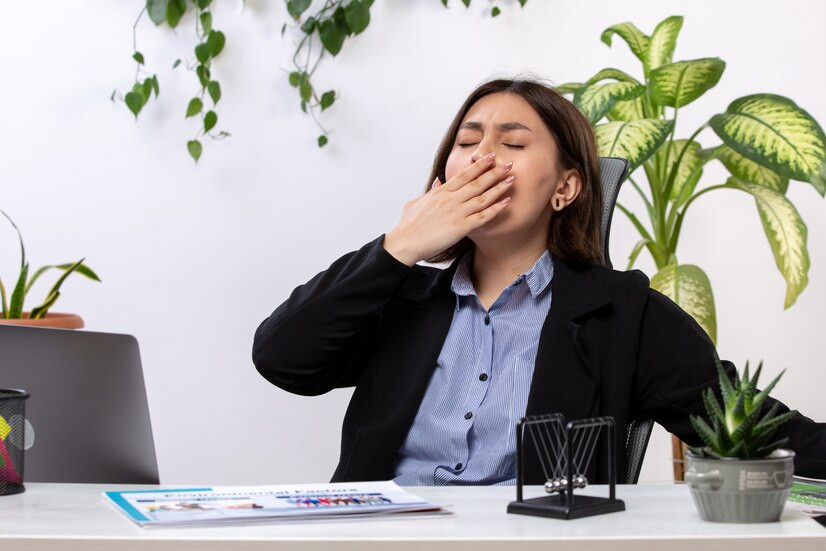

Berpuasa terkadang membuat tubuh merasa lemas dan mengantuk, terutama di siang hari ketika energi mulai menurun. Rasa kantuk ini sebenarnya normal, karena disebabkan oleh perubahan pola makan dan tidur, serta kurangnya asupan cairan dan nutrisi yang dibutuhkan oleh tubuh.
Meskipun merupakan hal yang normal, rasa kantuk ini tetap perlu diatasi agar Anda bisa menjalani puasa dengan nyaman hingga akhir Ramadhan. Artikel ini akan membahas beberapa cara untuk menghilangkan kantuk saat berpuasa, agar Anda tetap fokus dan bugar sepanjang hari.
Tips Menghilangkan Rasa Kantuk saat Berpuasa
Menghilangkan rasa kantuk dengan minum kopi saat berpuasa sebaiknya dihindari, karena kopi mengandung kafein yang bisa membuat Anda lebih cepat merasa haus dan meningkatkan risiko dehidrasi. Untuk mengatasi kantuk tanpa mengganggu ibadah puasa, berikut beberapa hal yang bisa Anda coba:
Memastikan tidur cukup di malam hari
Kualitas dan durasi tidur yang cukup sangat penting untuk menjaga energi dan mengurangi rasa kantuk di siang hari. Selama bulan puasa, pola tidur mengalami perubahan karena jadwal sahur dan ibadah tarawih.
Untuk memastikan Anda tetap mendapatkan tidur yang cukup, berikut beberapa tips yang bisa dilakukan:
- Tidur lebih awal.
- Ciptakan lingkungan tidur yang nyaman untuk membantu Anda cepat terlelap.
- Kurangi penggunaan alat elektronik seperti ponsel, laptop, atau televisi yang dapat mengganggu produksi melatonin.
- Cobalah tidur siang singkat selama 10-20 menit untuk menyegarkan tubuh dan pikiran.
Baca Juga: Mencegah Panas Dalam saat Berpuasa Ramadan
Mengonsumsi makanan yang tepat saat sahur
Memilih makanan yang dikonsumsi saat sahur juga penting dalam menjaga energi sepanjang hari. Pilihlah makanan yang dapat membantu tubuh tetap berenergi seperti karbohidrat kompleks, protein, dan lemak sehat.
Pastikan pula tubuh Anda tetap terhidrasi dengan minum air putih yang cukup saat berbuka, sebelum tidur, dan saat sahur, agar tubuh tidak mengalami dehidrasi yang dapat menyebabkan kelelahan dan kantuk.
Tetap aktif dan bergerak
Kurangnya aktivitas fisik dapat membuat tubuh terasa lebih lelah dan mudah mengantuk. Oleh karena itu, meskipun sedang berpuasa, sebaiknya Anda tetap menjaga tubuh aktif dengan melakukan aktivitas ringan. Beberapa cara yang bisa dilakukan antara lain:
- Melakukan pekerjaan rumah ringan.
- Memilih untuk naik tangga daripada menggunakan lift.
- Melakukan olahraga ringan seperti berjalan kaki atau peregangan.
Membasuh wajah dengan air dingin
Air dingin dapat membantu menyegarkan tubuh dan mengurangi rasa kantuk dengan cepat. Jika rasa kantuk datang, segera cuci wajah dengan air dingin untuk memberikan efek segar.
Hindari makan berlebihan saat berbuka
Meskipun berbuka puasa adalah momen yang ditunggu-tunggu, sebaiknya hindari makan dalam porsi besar atau makanan yang terlalu berat segera setelah berbuka. Makanan yang terlalu berat dapat menyebabkan rasa kantuk setelah makan.
Untuk mencegah kantuk setelah berbuka, sebaiknya konsumsi makanan dalam porsi yang wajar. Mulailah berbuka dengan makanan ringan dan hindari makanan yang tinggi lemak atau karbohidrat sederhana. Selain itu, beri jeda waktu antara berbuka dan makan berat agar tubuh memiliki waktu untuk mencerna makanan dengan lebih baik.
Baca Juga: Tubuh Tetap Bugar Saat Berpuasa, Inilah yang Sebaiknya Dilakukan
Cukupi kebutuhan air minum
Dehidrasi bisa menyebabkan tubuh merasa lelah dan mengantuk. Untuk itu, pastikan Anda mengonsumsi cukup air putih saat berbuka dan sahur. Hindari minuman berkafein berlebihan, seperti kopi, teh, atau soda, karena dapat menyebabkan dehidrasi dan mengganggu kualitas tidur di malam hari.
Dengan tidur yang cukup, memilih makanan bergizi saat sahur dan berbuka, serta tetap aktif sepanjang hari, Anda dapat menjaga energi dan fokus tanpa merasa lemas atau mengantuk berlebihan. Kunci utamanya adalah mendengarkan kebutuhan tubuh Anda dan menjaga pola hidup yang seimbang, agar puasa dapat dijalani dengan lancar dan tubuh tetap bugar.
Jika Anda memiliki masalah kesehatan selama menjalani ibadah puasa, sebaiknya konsultasikan ke dokter atau manfaatkan layanan konsultasi pada aplikasi Ai Care yang tersedia di App Store atau Play Store.
Mau tahu tips dan trik kesehatan, pertolongan pertama, dan home remedies lainnya? Cek di sini, ya!
- dr Nadia Opmalina

Cleveland Clinic Abu Dhabi (2021). 5 Tips For More Energy During Ramadan. Available from: https://www.clevelandclinicabudhabi.ae/en/health-byte/ramadan/5-tips-for-more-energy-during-ramadan
Jillian Kubala, MS, RD (2024). 9 Potential Intermittent Fasting Side Effects. Available from: https://www.healthline.com/nutrition/intermittent-fasting-side-effects
Jay Vera Summer (2024). 8 Health Benefits of Sleep. Available from: https://www.sleepfoundation.org/how-sleep-works/benefits-of-sleep
Cleveland Clinic (2024). Is It Safe to Work Out While You’re Fasting?. Available from: https://health.clevelandclinic.org/working-out-while-fasting
Eric Suni (2023). Sleep and Overeating. Available from: https://www.sleepfoundation.org/physical-health/sleep-and-overeating