
Definition
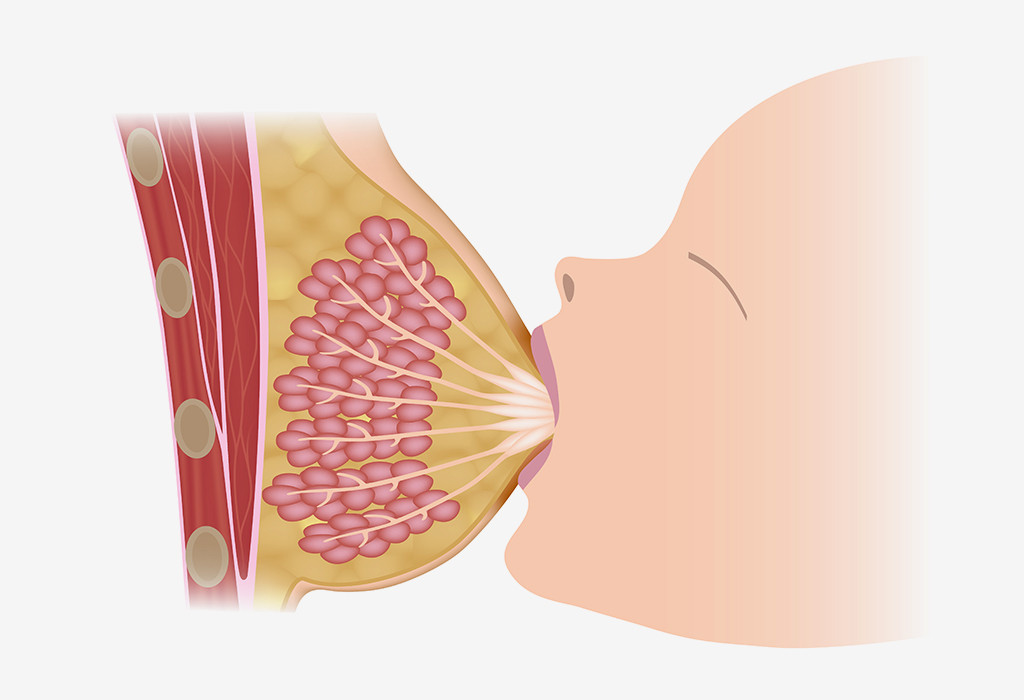
Breast engorgement is the swelling of the breasts due to the accumulation of breast milk and increased blood flow. This condition can occur in one or both breasts. The swelling may also extend to the armpits, causing discomfort. Typically, the breasts feel heavier, firmer, warmer, and painful.
Breast engorgement commonly occurs after childbirth during the first week of breastfeeding, when the breasts start producing milk fully. It can happen at any time during the breastfeeding period and can be caused by various factors.
Swollen and enlarged breasts may disrupt the baby's ability to latch, exacerbating the engorgement. If the baby's mouth has trouble attaching to the mother's nipple, it can lead to inflammation and obstructed breast milk flow.
Causes
Breast engorgement generally occurs when breast milk is not fully emptied from the breast and accumulates. It is normal to experience this condition during the first 1-2 weeks after childbirth. Increased blood flow and hormonal changes contribute to increased breast milk production. Milk accumulation and breast swelling are expected.
This condition usually happens if the baby does not breastfeed frequently enough. Breast engorgement is also common in babies with altered feeding schedules due to illness, prolonged sleep, or starting solid foods. Babies who breastfeed less can also cause breast engorgement.
Risk Factor
Several conditions can increase the risk of breast engorgement, including:
- The baby does not breastfeed frequently (at least 8 times a day) or do not consume much milk
- Missing breastfeeding or pumping sessions
- Inadequate baby latch and sucking during breastfeeding
- Setting time limits for breastfeeding sessions
- The baby drinking formula milk
- History of breast implants
- Introducing solid foods too early
- Overproduction of breast milk beyond the baby's needs, which can happen due to:
- Genetic factors
- Excessive prolactin hormone
- Effects of certain medications, etc.
Symptoms
The symptoms of breast engorgement can vary among individuals. Common symptoms include:
- Swollen and firm breasts
- Shiny skin on the breasts due to stretching
- Breasts feel full and warm to the touch
- Pain from stretched skin and pressure on surrounding tissues
- Flattened and firm nipples
- Fatigue
Some mothers may also experience a low-grade fever. If the fever is high, it could indicate an infection in the body.
Symptoms can affect one or both breasts and may extend to the armpits. These changes can make it harder for the baby to latch on, causing more milk to accumulate in the breasts.
Diagnosis
To diagnose breast engorgement, doctors will typically ask detailed questions about your symptoms and breastfeeding practices, including the position, frequency, and latch of the baby during feeding. Inadequate breastfeeding techniques can prevent the baby from feeding effectively.
Doctors will then perform a physical examination of the swollen breasts. Special tests like laboratory or radiology examinations are generally not needed to diagnose breast engorgement.
Management
If you experience breast engorgement while breastfeeding, do not panic. Several steps can be taken at home to alleviate symptoms:
- Before breastfeeding, apply warm compresses to the breasts or briefly take a warm shower to soften them, making it easier for milk to flow. Do not apply heat for too long, as excessive heat can worsen swelling.
- Apply cold compresses for 10 minutes after breastfeeding to reduce swelling and alleviate hardness.
- Wear a well-fitting bra to prevent excessive breast movement.
- Express a small amount of milk before breastfeeding to soften the breasts, making it easier for the baby to latch.
- Massage the breasts downward while the baby feeds to help milk flow effectively.
But keep in mind, frequent breastfeeding, at least eight times a day or every three hours, is crucial to prevent breast engorgement. Ensure the baby latches properly during feeding to allow continuous milk flow and prevent accumulation.
If symptoms persist despite these measures, see a doctor for pain relievers or fever reducers. You can also use an electric breast pump to help express breast milk.
Complications
Breast engorgement typically subsides with frequent breastfeeding and maintaining feeding schedules. However, if left unaddressed, it can complicate breastfeeding for both the mother and baby.
Engorged breasts can make the nipples hard and flat, making it difficult for the baby to latch. Improper latches can cause nipple chafing or blistering. If untreated, it can lead to breast tissue inflammation (mastitis), which can cause infection, pus accumulation, and obstructed milk ducts.
If milk remains in the breasts, it can signal the body to reduce milk production, decreasing supply. Babies may also refuse to breastfeed due to difficulty latching and insufficient milk flow, resulting in nipple confusion.
Prevention
Breast engorgement after the first few days postpartum is generally unavoidable. It will occur until your body regulates milk production to meet your baby's needs. However, you can take steps to prevent engorgement during the breastfeeding period:
- Breastfeed frequently and on-demand, at least 8-12 times a day. Sleeping in the same room as your baby can help meet their feeding needs
- Pump milk when the baby is not hungry or when you are not near the baby
- Wake the baby to breastfeed if your breasts feel full and uncomfortable
- Do not limit the baby's breastfeeding time
- Avoid giving supplementary fluids like formula milk without medical indication and a doctor's recommendation
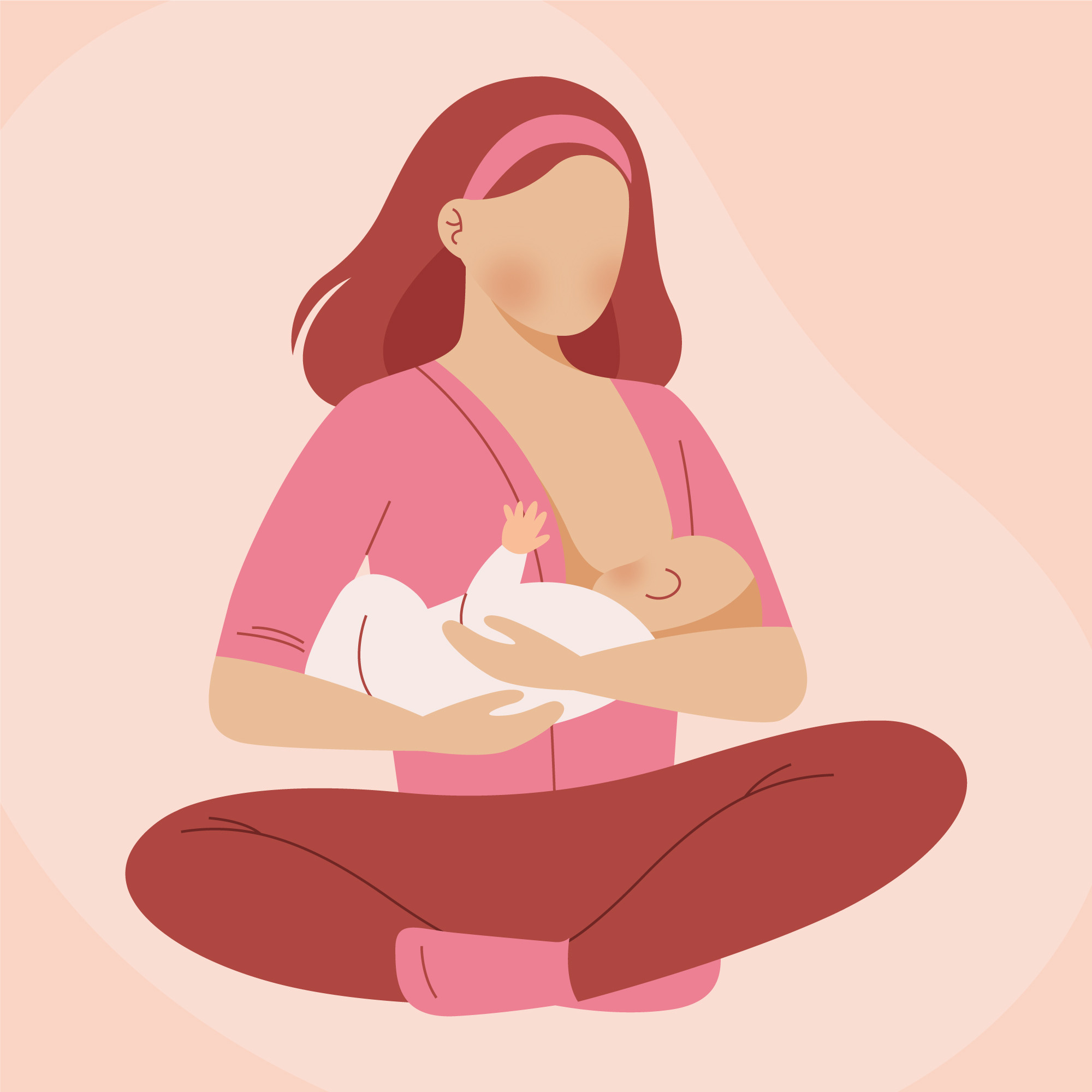
- Ensure proper breastfeeding position and latch to allow effective milk flow
- Maintain a healthy diet, stay hydrated, and get enough sleep
When to See a Doctor?
Consult a doctor if you have a fever over 38°C or if the baby cannot breastfeed due to severe breast engorgement. You can also seek advice from a lactation consultant to ensure effective breastfeeding practices.
Looking for more information about other diseases? Click here!
- dr. Alvidiani Agustina Damanik
Breast Engorgement – pregancybirthandbaby. (2022). Retrieved 6 August 2022, from https://www.pregnancybirthbaby.org.au/breast-engorgement#
What Is Breast Engorgement – medela. (2022). Retrieved 6 August 2022, from https://www.medela.com/breastfeeding/mums-journey/breast-engorgement
Engorgement – wicbreastfeeding. (2022). Retrieved 6 August 2022, from https://wicbreastfeeding.fns.usda.gov/engorgement
Holland, K. (2021). Breast Engorgement: Is It Normal?What Can I Do About It?. Healthline. Retrieved 6 August 2022, from https://www.healthline.com/health/breast-engorgement
Breast Engorgement and Breast Oedema – manatuhoura. (2022). Retrieved 6 August 2022, from https://www.health.govt.nz/our-work/life-stages/breastfeeding/health-practitioners/breast-engorgement-and-breast-oedema
Murray, D. (2021). How To Relief Breast Engorgement. verywellfamily. Retrieved 6 August 2022, from https://www.verywellfamily.com/breast-engorgement-causes-treatments-complications-431580
Treatment for Breast Engorgement (Overfull, Hard, Painfull Breast) in Breastfeeding Women – Cochrane (2022). Retrieved 6 August 2022, from https://www.cochrane.org/CD006946/PREG_treatment-breast-engorgement-overfull-hard-painful-breasts-breastfeeding-women
Breast Engorgement – HealthLinkBC (2022). Retrieved 6 August 2022, from https://www.scbp.ca/assets/documents/7_1_Breast_engorgement.pdf
Breast Engorgement – Medigoo. (2022). Retrieved 6 August 2022, from https://www.medigoo.com/articles/breast-engorgement/