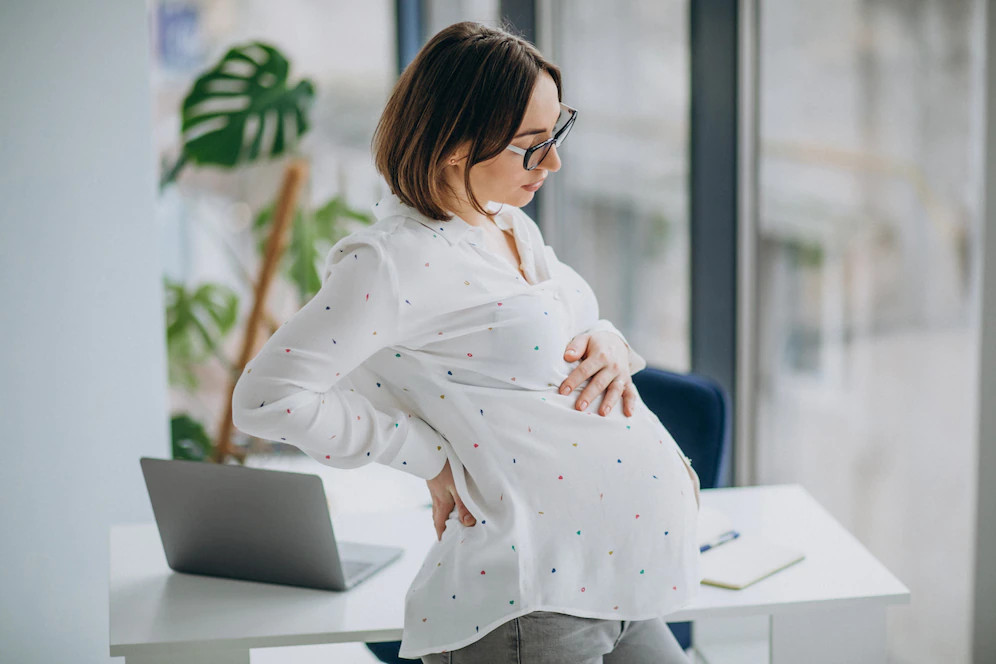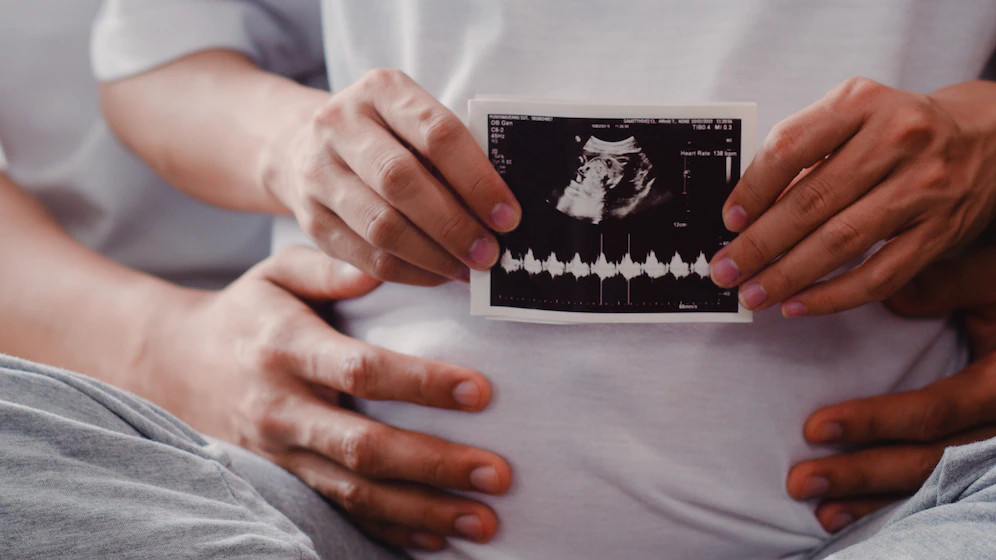
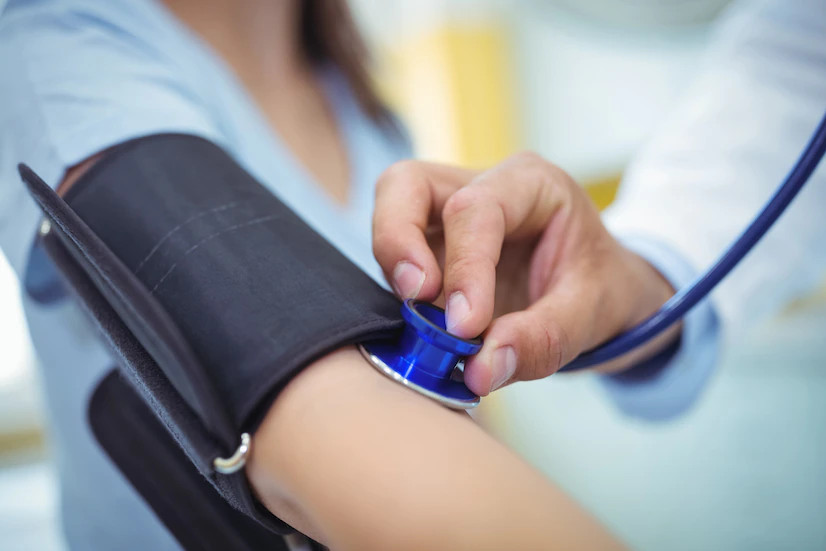
Preeclampsia is one cause of an increased risk of stillbirth in the fetus. This complication can arise during pregnancy due to high blood pressure along with elevated protein levels in the urine, known as proteinuria.
Preeclampsia typically develops after 20 weeks of gestation in women whose blood pressure had been normal. This condition can affect other organs in the body and poses dangers for both the mother and the developing fetus.
How Does Preeclampsia Develop?
When a mother has preeclampsia, her blood pressure increases above 140/90 mmHg. This increase is accompanied by high protein levels detected in the urine.
Preeclampsia places strain on the heart and other organs, which can lead to serious complications. In addition, it can reduce blood flow to the placenta, impair liver and kidney function, and cause fluid to accumulate in the lungs.
Who Is at Risk for Preeclampsia?
Preeclampsia is a pregnancy complication that can also complicate labor. It is also a major cause of preterm birth, which refers to delivery before 37 weeks.
Several factors generally increase the risk of preeclampsia, including:
-
First-time pregnancy
-
A history of high blood pressure, kidney disease, and diabetes
-
Pregnancy with multiples
-
A family history of preeclampsia
-
Autoimmune conditions, such as lupus
-
Obesity
If preeclampsia is not treated promptly, preeclampsia can cause life-threatening complications that harm both the mother and the fetus.
Symptoms of Preeclampsia
Similar to high blood pressure, many pregnant women with preeclampsia do not notice symptoms. Blood pressure readings will be elevated in pregnant women who develop preeclampsia.
These are symptoms that may accompany preeclampsia, including:
-
Protein in the urine, called proteinuria, which indicates kidney problems.
-
Decreased platelet levels in the blood.
-
Elevated liver enzyme levels, which suggest liver problems.
-
Severe headaches.
-
Changes in vision, such as blurred vision, sensitivity to light, or temporary vision loss.
-
Shortness of breath caused by fluid buildup in the lungs.
-
Pain in the upper abdomen, especially under the right ribs.
-
Nausea or vomiting.
-
Sudden weight gain and swelling, often seen in the face, feet, and hands.
How Is Preeclampsia Treated?
Preeclampsia is not a condition that can be cured during pregnancy. Therefore, the approach is to monitor blood pressure until delivery.
In severe preeclampsia, a mother may receive medication to lower blood pressure, corticosteroids to help improve the baby’s lung health, and anti-seizure medication.
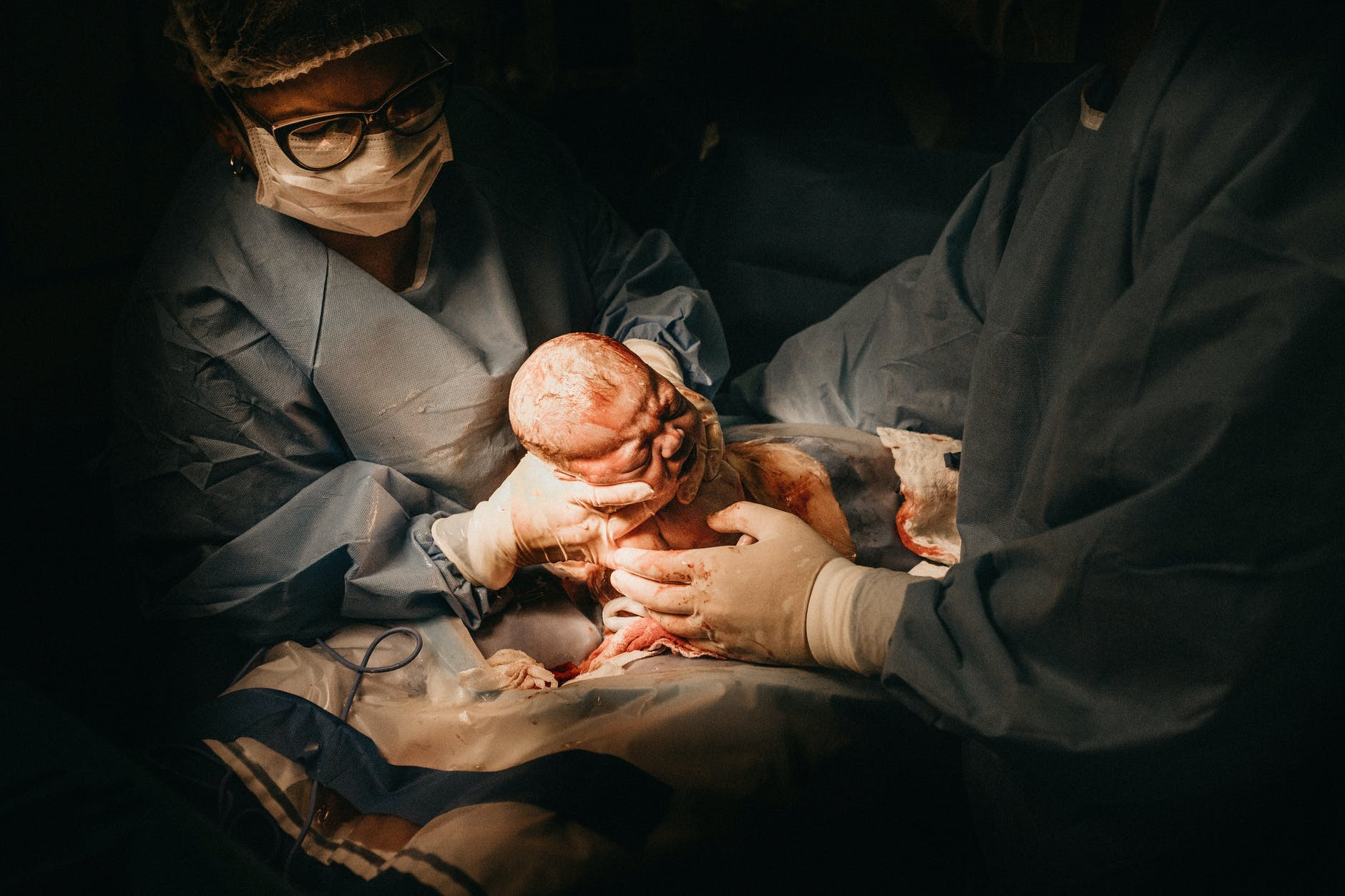
In mild cases, symptoms often subside after 37 weeks of pregnancy or after delivery. With preeclampsia, a woman cannot freely choose a vaginal delivery. The delivery method will be determined by the doctor according to the mother’s condition. Therefore, discuss this in advance if you have specific concerns.
Looking for more information about pregnancy, breastfeeding, women's and children's health? Click here!
- dr Hanifa Rahma
Mayo Clinic (2022). Preeclampsia. Available from: https://www.mayoclinic.org/diseases-conditions/preeclampsia/diagnosis-treatment/drc-20355751
NHS UK (2021). Pre-eclampsia. Available from: https://www.nhs.uk/conditions/pre-eclampsia/
Cleveland Clinic (2021). Preeclampsia. Available from: https://my.clevelandclinic.org/health/diseases/17952-preeclampsia
Pregnancy Birth&Baby (2020). Pre-eclampsia. Available from: https://www.pregnancybirthbaby.org.au/pre-eclampsia