
Many factors shape a child’s height, including genetics, hormones, health conditions, and day-to-day nutrition. Calcium has long been recognized as vital for children’s growth. Even so, calcium isn’t the only nutrient required for height gain. Learn which other nutrients to include daily to support children’s height and how to grow tall.
Key Nutrients for Children’s Growth
Nutrition plays a central role in growth. Without sufficient intake, children may not grow as tall as peers who are well nourished.
Nutritionists recommend that children and teens follow a varied, balanced diet rich in fruits and vegetables. This approach helps ensure they receive all the vitamins and minerals they need, including key vitamins for height.
What helps kids grow tall?
Calcium
Calcium is essential for building and maintaining strong bones and teeth. During childhood, bones develop rapidly, so adequate calcium intake is crucial to help prevent later problems such as osteoporosis and fractures.
A lack of calcium in children can lead to osteopenia (low bone density), dental issues, and growth delay. Children who fall short on calcium may also be more prone to infections and allergies.
The daily calcium needs for children and adolescents are:
- 1–3 years old: 700 mg calcium per day
- 4–8 years old: 1,000 mg calcium per day
- 9–18 years old: 1,300 mg calcium per day
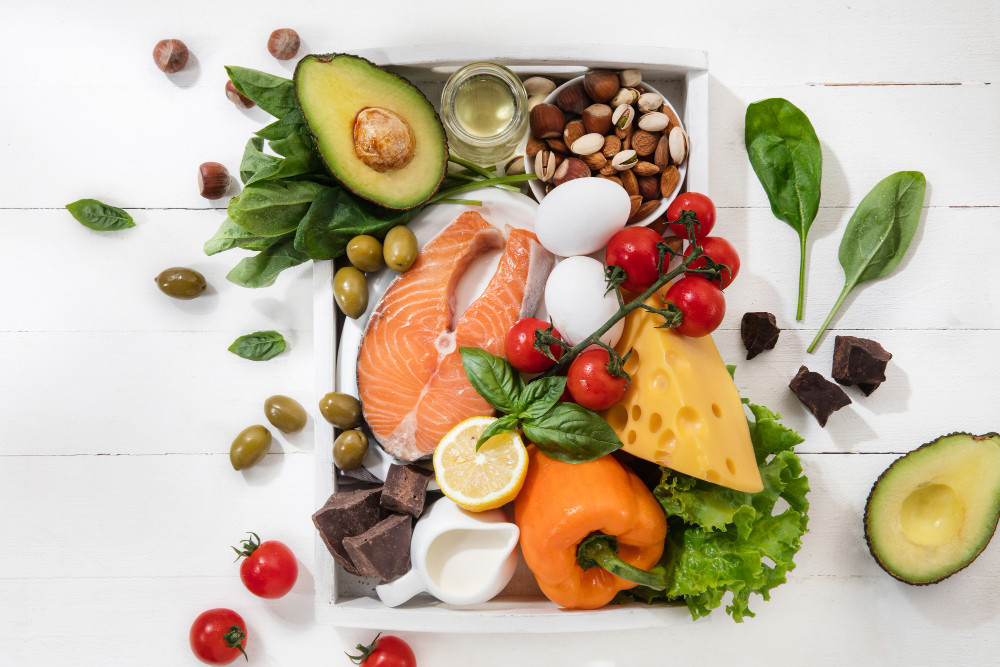
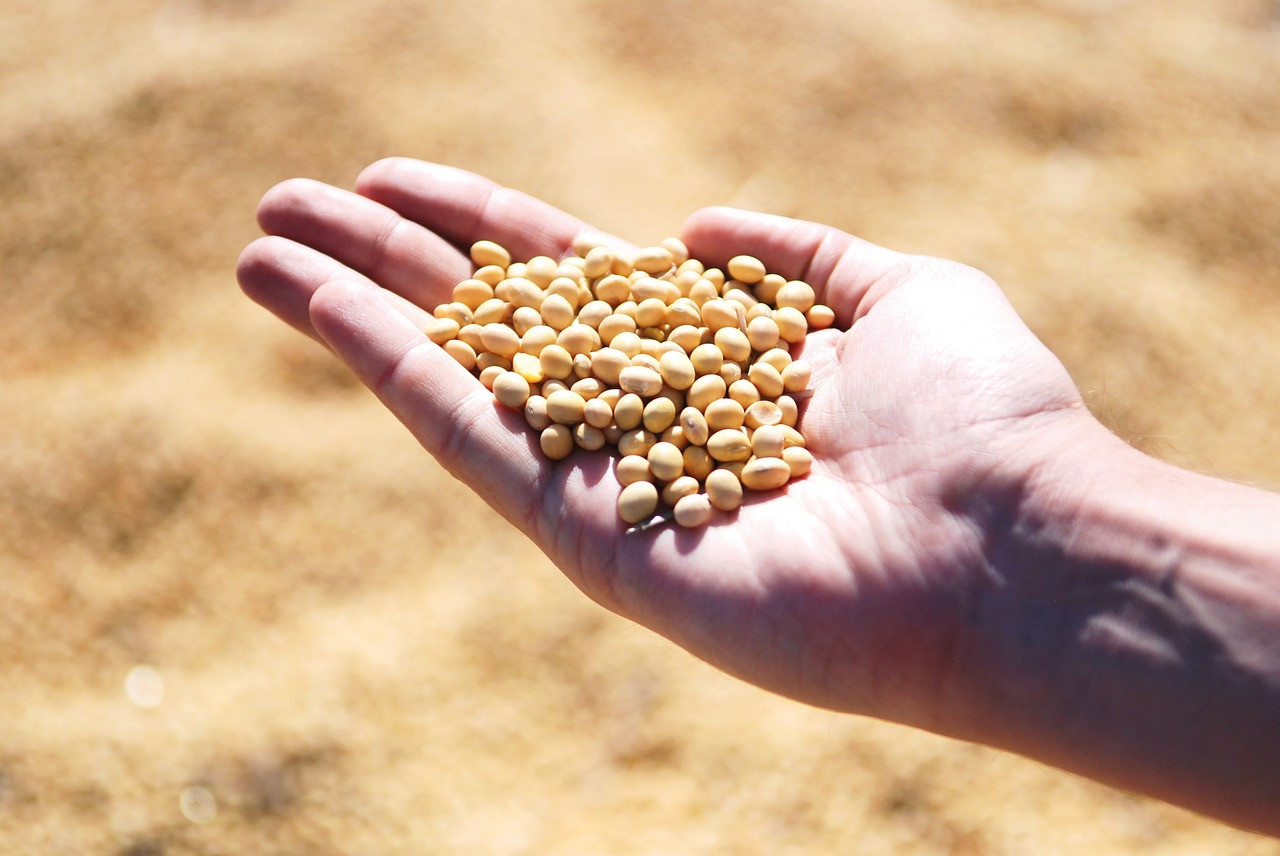
Good sources include plain yogurt, fruit, whole-grain cereals, cheese, nuts, sesame seeds, tofu, peanut butter, and a wide range of green vegetables.
Vitamin C
Vitamin C doesn’t directly determine height. However, this nutrient is crucial to maintain healthy bones and connective tissue.
Vitamin C deficiency disrupts collagen formation, reduces iron absorption, and impairs red blood cell production. You can get vitamin C from fruit such as oranges, melon, pineapple, watermelon, strawberries, kiwi, and mango, and from vegetables like broccoli, bell peppers, spinach, and more.
Vitamin B2
Like vitamin C, vitamin B2 doesn’t directly make a child grow taller. However, it plays a key role in metabolizing carbohydrates, fats, and proteins to produce adequate energy. Vitamin B2 also supports healthy growth of bones, skin, hair, and nails.
Vitamin B1
Vitamin B1 (thiamin) is essential for overall health and optimal metabolism. While it doesn’t directly drive height, it is important for digestion and for maintaining heart and nervous system function.
Vitamin D
Vitamin D helps the body absorb and use calcium and phosphorus, both needed to build strong, healthy bones and teeth. Children who are low in vitamin D may experience suboptimal bone growth and limited height potential.
In children, vitamin D deficiency can also cause rickets, a condition that makes bones soft, brittle, and prone to fractures.
Vitamin D is available from sunlight exposure, fish, egg yolks, and dairy products. Children living with limited sun exposure or certain medical conditions may need supplements to meet vitamin D needs.
Infants under 1 year require 400 IU of vitamin D daily, while children 1 year and older need 600 IU per day.
Children who refuse food or are picky eaters may not meet their nutritional requirements. Consult a doctor to address feeding issues and help your child meet daily needs for children’s height.
Looking for information about nutrition, food and other diet tips? Click here!
- dr Hanifa Rahma
Tanya Choudhary, ISSA (2022). 5 Essential Vitamins Which Will Help You Grow Taller. Available from: https://www.stylecraze.com/articles/5-essential-vitamins-which-will-help-you-grow-taller/
Amanda Barrell (2021). What factors influence a person's height?. Available from: https://www.medicalnewstoday.com/articles/327514
KidsHealth (2021). Calcium. Available from: https://kidshealth.org/en/parents/calcium.html
Medline Plus (2021). Vitamin C. Available from: https://medlineplus.gov/ency/article/002404.htm
Harvard TH Chan. Riboflavin – Vitamin B2. Available from: https://www.hsph.harvard.edu/nutritionsource/riboflavin-vitamin-b2/
KidsHealth (2021). Vitamin D. Available from: https://kidshealth.org/en/parents/vitamin-d.html