
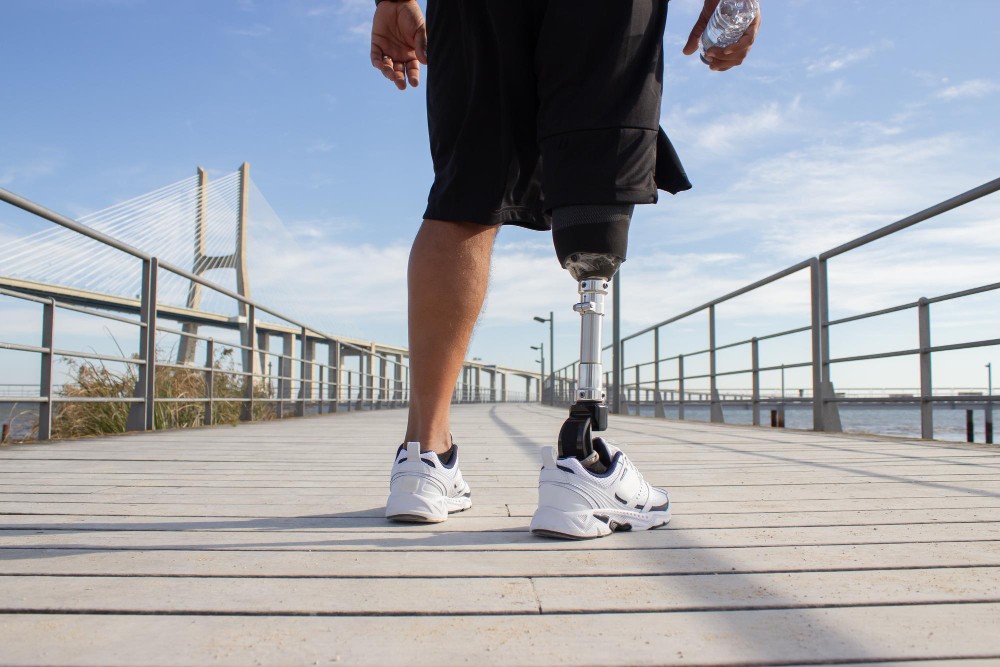
Amputasi adalah prosedur pembedahan untuk mengangkat atau memotong sebagian anggota tubuh yang mengalami kerusakan parah dan tidak dapat diperbaiki. Tindakan ini biasanya direkomendasikan dokter untuk mencegah penyebaran infeksi atau komplikasi lebih lanjut ke bagian tubuh lainnya.
Lalu, kondisi medis seperti apa yang dapat membuat amputasi perlu dilakukan? Simak penjelasannya dalam artikel berikut ini.
Apa Itu Amputasi?
Amputasi adalah tindakan pemotongan bagian tubuh seperti jari tangan, jari kaki, tangan, kaki, lengan, atau tungkai. Prosedur ini dilakukan ketika cedera pada anggota tubuh terlalu parah, sulit disembuhkan, atau dapat membahayakan bagian tubuh lainnya. Amputasi juga dapat dilakukan pada kasus kecelakaan traumatis yang menyebabkan hilangnya sebagian anggota tubuh.
Tindakan amputasi dapat memberikan dampak besar terhadap kehidupan seseorang, termasuk kemampuan bergerak, kemandirian, dan kondisi mental. Karena itu, setelah menjalani amputasi, pasien perlu mendapatkan perawatan medis, rehabilitasi fisik, serta dukungan psikologis agar kualitas hidup tetap terjaga.
Baca Juga: 8 Masalah Kulit yang Muncul Akibat Penyakit Diabetes
Kondisi yang Mengharuskan Pasien Mengalami Amputasi
Beberapa alasan medis yang mengharuskan pasien diamputasi antara lain:
Komplikasi diabetes
Diabetes yang tidak terkontrol dengan baik dapat menimbulkan berbagai komplikasi serius yang meningkatkan risiko amputasi, antara lain:
-
Neuropati perifer: Kadar gula darah yang tinggi dalam waktu lama dapat merusak saraf, terutama di area kaki. Akibatnya, penderita kehilangan sensasi atau mati rasa sehingga tidak menyadari adanya luka kecil. Luka yang tidak terdeteksi ini bisa terinfeksi dan memburuk dari waktu ke waktu.
-
Penyakit arteri perifer (PAD): Penumpukan lemak di pembuluh darah arteri menyebabkan penyumbatan aliran darah ke tungkai dan kaki. Aliran darah yang terganggu membuat proses penyembuhan luka menjadi sangat lambat.
Kerusakan saraf dan jaringan akibat komplikasi diabetes yang parah dapat berujung pada amputasi. Dalam kondisi seperti ini, amputasi dilakukan untuk mencegah infeksi menyebar lebih luas dan melindungi bagian tubuh lainnya.
Tumor
Tumor akibat sarkoma tulang merupakan salah satu kondisi yang dapat meningkatkan risiko amputasi. Dokter mungkin merekomendasikan tindakan ini jika tumor tumbuh dengan cepat dan menjalar ke saraf atau pembuluh darah utama.
Selain itu, amputasi juga dapat menjadi pilihan apabila ukuran tumor terlalu besar atau posisinya tidak memungkinkan untuk diangkat sepenuhnya tanpa merusak jaringan penting di sekitarnya.
Kanker
Beberapa jenis kanker, seperti osteosarkoma, sarkoma jaringan lunak, dan metastasis kanker tulang, dapat memerlukan tindakan amputasi apabila area kanker terlalu luas untuk dioperasi atau telah menyebar secara signifikan. Dalam beberapa kasus, amputasi juga dilakukan untuk membantu mengendalikan penyebaran kanker.
Namun, berkat kemajuan dalam teknik bedah seperti penggunaan prostetik dan cangkok tulang, prosedur yang mempertahankan anggota tubuh kini lebih diutamakan. Karena itu, amputasi menjadi pilihan yang semakin jarang dan biasanya hanya dilakukan sebagai langkah terakhir dalam pengobatan kanker primer.
Baca Juga: Jenis-Jenis Patah Tulang dan Cara Mendiagnosisnya
Luka trauma serius
Anggota tubuh yang mengalami trauma serius seperti luka remuk atau ledakan terkadang memerlukan amputasi. Prosedur ini dilakukan untuk menyelamatkan jaringan yang hidup dan membantu pemulihan area yang terluka dengan lebih cepat.
Frostbite
Frostbite atau radang dingin adalah kondisi ketika kulit dan jaringan di bawahnya mengalami kerusakan akibat paparan suhu dingin ekstrem dalam waktu lama. Kondisi ini sering dialami oleh pendaki gunung atau orang yang beraktivitas di lingkungan bersuhu di bawah 0°C.
Bagian tubuh yang paling sering terkena frostbite adalah jari tangan, jari kaki, dan telinga. Amputasi biasanya diperlukan pada kasus frostbite tingkat berat (stadium 3), yang ditandai dengan mati rasa, perubahan warna kulit menjadi hitam, dan jaringan yang mengeras akibat kematian sel.
Amputasi adalah prosedur medis untuk mengangkat bagian tubuh yang mengalami kerusakan atau kematian jaringan, dengan tujuan mencegah penyebaran infeksi dan melindungi jaringan sehat di sekitarnya.
Jika memiliki pertanyaan seputar amputasi sebaiknya konsultasikan ke dokter atau manfaatkan fitur konsultasi pada aplikasi Ai Care yang bisa diunduh melalui App Store atau Play Store.
Mau tahu informasi seputar penyakit lainya? Cek di sini, yah!
- dr Nadia Opmalina

Cleveland Clinic. Amputation. Available from: https://my.clevelandclinic.org/health/procedures/21599-amputation
Medline Plus. Leg or Foot Amputation. Available from: https://medlineplus.gov/ency/article/007365.htm#
NHS. Amputation. Available from: https://www.nhs.uk/tests-and-treatments/amputation/
McDermott, A. (2025). Can You Lose Limbs If You Have Diabetes?. Available from: https://www.healthline.com/health/diabetes/diabetes-amputation
Cleveland Clinic. Frostbite. Available from: https://my.clevelandclinic.org/health/diseases/15439-frostbite