
Vitamin E is well known for its role in maintaining healthy skin. As an antioxidant, it helps protecting body cells from cell damage, supports immune function, and contributes to good vision.
Although vitamin E deficiency is rare due to its presence in foods such as nuts, seeds, leafy green vegetables, and vegetable oils, certain factors, such as impaired fat absorption, an unbalanced diet, or premature birth, can increase the risk of vitamin E deficiency. So, what happens to the body when you have vitamin E deficiency?
Daily Vitamin E Needs
According to nutritional guidelines, the daily amount of vitamin E needed for people varies based on age and physical condition:
-
Men and women aged 14 and older need 15 mg of vitamin E per day.
-
Pregnant women require 15 mg of vitamin E per day.
-
Breastfeeding women need 19 mg of vitamin E per day.
What Happens to the Body When You Have Vitamin E Deficiency
A deficiency of vitamin E can lead to various health problems, particularly affecting the nervous system and vision. Below are some possible effects of insufficient vitamin E levels:
Muscle Weakness
Vitamin E plays a crucial role in protecting the central nervous system and preventing oxidative stress. When you have vitamin E deficiency, oxidative damage and nerve dysfunction can occur, leading to muscle weakness.
Coordination and Walking Difficulty
Vitamin E deficiency can cause damage to Purkinje neurons, which are essential for motor coordination. If these neurons are impaired, the body struggles to send signals properly, resulting in movement and balance issues.
Numbness and Tingling Sensations
Damage to peripheral nerves due to low vitamin E levels can lead to symptoms such as numbness, tingling, and unusual sensations. This occurs when affected nerves fail to transmit signals correctly, a condition known as peripheral neuropathy.
Vision Problems
Vitamin E helps protect the light-sensitive cells in the retina, which capture light and send signals to the brain. A deficiency in vitamin E can weaken these cells, leading to vision impairment, and if left untreated, it may cause retinal damage.
Weakened Immune System
Research indicates that vitamin E deficiency can interfere with immune function. Older adults with insufficient vitamin E intake may be more susceptible to infections.
How to Prevent Vitamin E Deficiency
Preventing a deficiency in vitamin E is relatively simple with the following steps:
Eating Foods Rich in Vitamin E
A well-balanced diet with sufficient vitamin E intake is the best way to prevent deficiency. Good sources include olive oil, canola oil, sunflower oil, nuts, seeds, leafy greens, fruits, fatty fish, and vitamin E-fortified breakfast cereals.
Taking Vitamin E Supplements
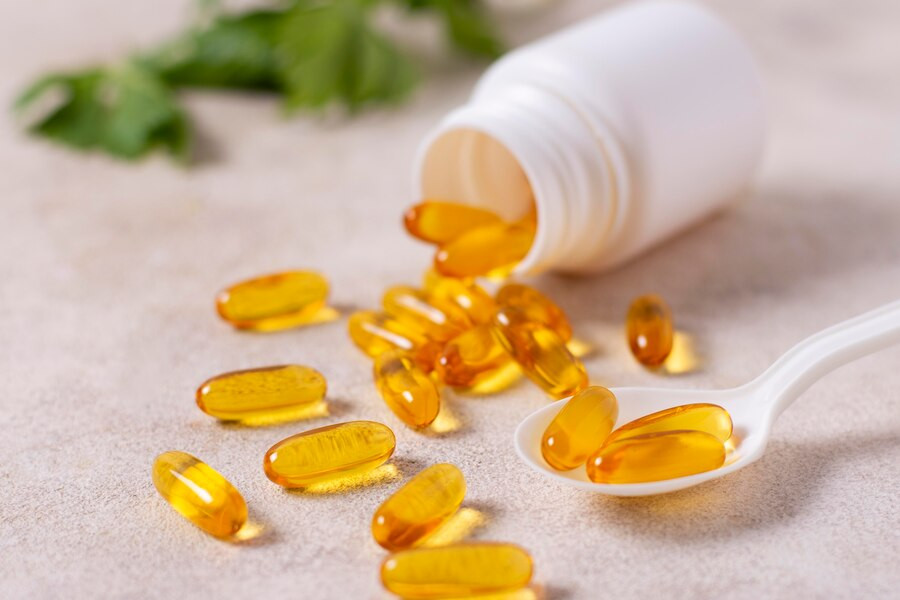
For individuals with conditions that impair fat absorption, vitamin E supplements may be beneficial. However, these should only be taken under medical supervision, as excessive intake can cause adverse effects. Always consult a doctor to determine the appropriate dosage for you.
Supporting Digestive Health
Since vitamin E is a fat-soluble vitamin, proper digestion is essential for its absorption. Keeping your digestive system healthy by eating fiber-rich foods, avoiding processed foods high in sugar and trans fats, and addressing any digestive issues with a doctor can help ensure adequate vitamin E absorption.
If you have any questions about vitamin E, you can consult a healthcare professional through the Ai Care app, available for download on the App Store or Play Store.
Looking for information about nutrition, food and other diet tips? Click here!
- dr Hanifa Rahma
Cathleen Crichton Stuart (2023). What are the symptoms of low vitamin E?. Available from: https://www.medicalnewstoday.com/articles/321800
Jillian Kubala, MS, RD (2024). What Are the Benefits of Vitamin E?. Available from: https://www.healthline.com/health/all-about-vitamin-e
Natalie Silver (2024). How to Identify and Treat a Vitamin E Deficiency. Available from: https://www.healthline.com/health/food-nutrition/vitamin-e-deficiency
Harvard TH Chan (2023). Vitamin E Available from: https://nutritionsource.hsph.harvard.edu/vitamin-e/
WebMD. Vitamin E - Uses, Side Effects, and More. Available from: https://www.webmd.com/vitamins/ai/ingredientmono-954/vitamin-e