Lately, eating seeds and grains has surged in popularity. Alongside vegetables and fruits, several of these seeds are now labeled as superfoods, meaning they are nutrient-dense choices with broad benefits for the body. Including seeds in your routine is not only useful for dieting but also supports cholesterol control, helps manage blood pressure, and may lower the risk of obesity.
Seeds That Support Better Health
1. Flaxseed
Flaxseed comes from the flax plant and is well known for its impressive fiber content. It also provides meaningful calories, fiber, and protein that can contribute to daily nutritional needs.
Research indicates that regularly eating whole flaxseed for more than 12 weeks can help lower blood pressure. Other studies suggest flaxseed intake may slow tumor growth in breast cancer and potentially reduce cancer risk.
2. Chia Seeds
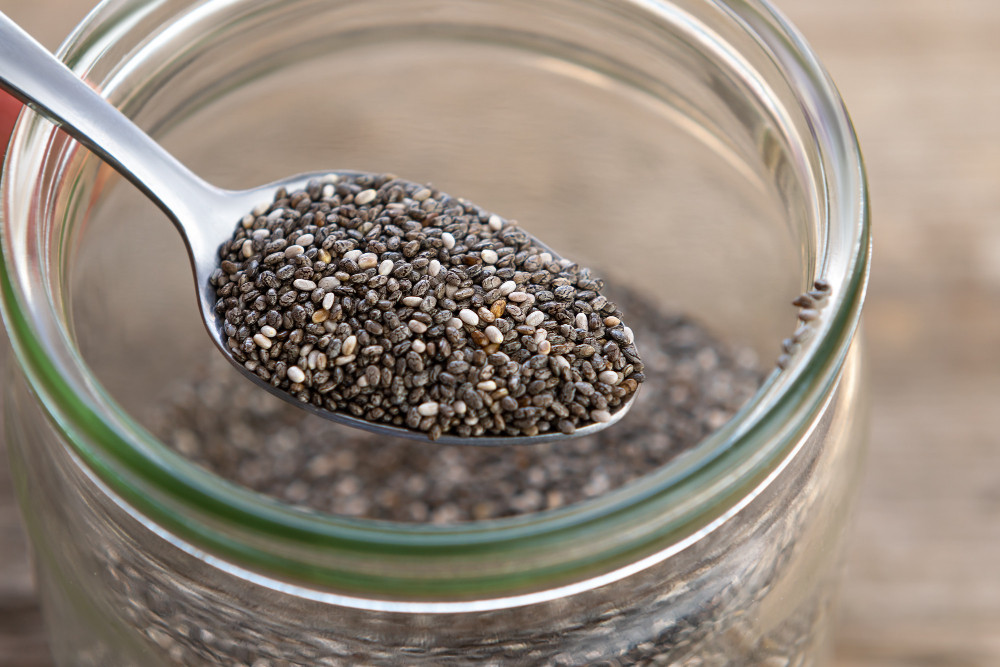
Chia seeds are also one of the favorite seeds among people focused on wellbeing. They are low in carbohydrates and supply protein, omega-3 fatty acids, and a range of essential minerals. Thanks to their high fiber content, chia seeds are often chosen as part of people's healthy diets.
3. Pumpkin Seeds
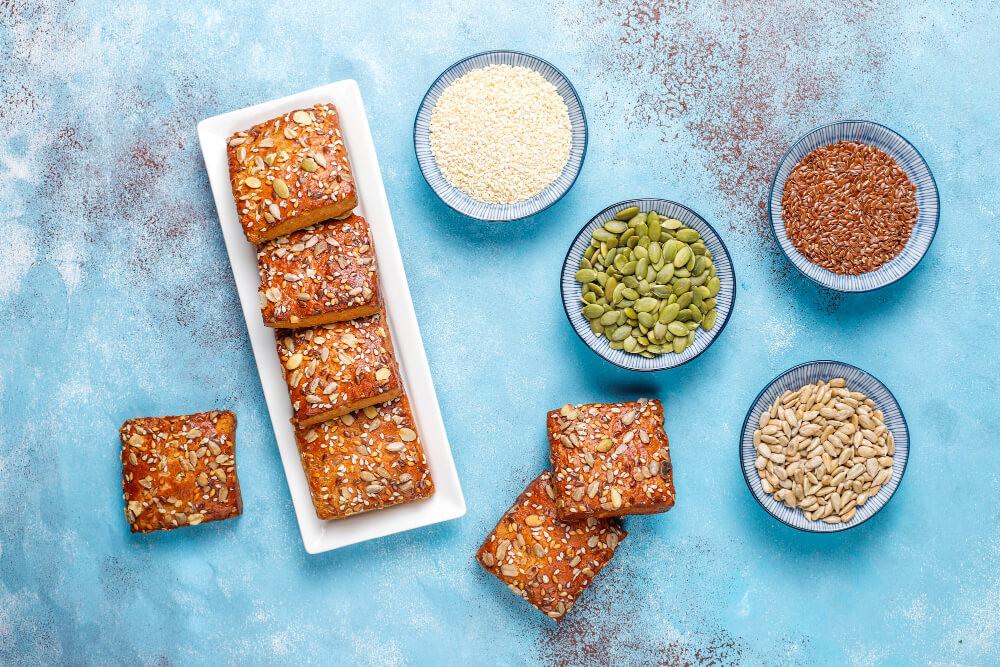
One cup of pumpkin seeds delivers about 151 calories, 1.7 grams of fiber, and 7 grams of protein. They also contain phytosterols, compounds associated with lowering cholesterol.
Pumpkin seeds can be eaten with or without the hull. The Cleveland Clinic notes that unhulled pumpkin seeds offer more fiber than hulled ones. Pumpkin seeds can be enjoyed as roasted seeds, eaten raw, or sprinkled over salads and dressings.
4. Sunflower Seeds
Sunflower seeds provide minerals, B vitamins, and antioxidants like vitamin E and selenium. These antioxidants help reduce free radicals in the body, which are linked with higher risks of diabetes, heart disease, and certain cancers.
Many packaged sunflower seeds come salted. To keep sodium in check, choose products labeled “unsalted seeds” on the package.
5. Sesame Seeds
Sesame seeds are familiar to many because they are widely used in snacks. Beyond their savory taste, they are rich in selenium, an antioxidant that may help ease symptoms related to chronic diseases.
They are also high in fiber and are thought to help lower blood pressure and cholesterol. Sesame seeds supply nutrients that support bone strength as well.
6. Pomegranate Seeds
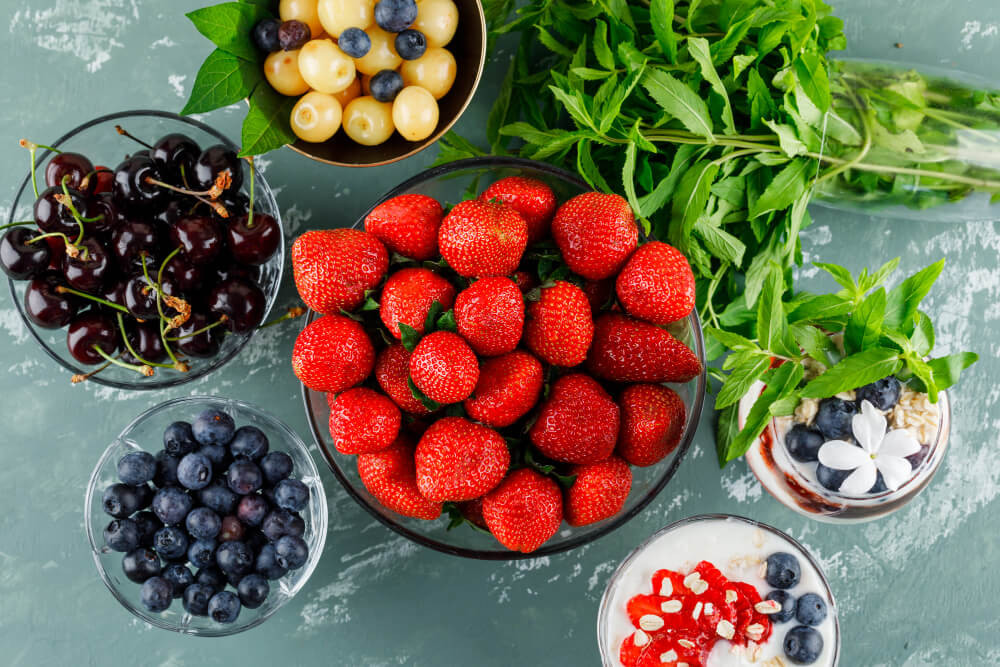
Some people avoid pomegranates because preparing them can be a bit tedious. In reality, this fruit is packed with nutrients. The arils (pomegranate seeds) are rich in vitamin C and antioxidants that may aid cancer prevention and act as anti-inflammatory agents.
A full cup contains around 130 calories, making it a smart everyday snack. Eat them on their own or toss the arils into salads.
7. Quinoa
At a glance, quinoa resembles rice. In fact, it is a grain from the Chenopodium quinoa plant. For centuries, communities around Colombia have valued quinoa for its many health benefits, including its role in dieting.
Per 100 grams of cooked quinoa, you get about 21 grams of carbohydrates and 2.8 grams of fiber. Quinoa also supplies minerals such as manganese, magnesium, folate, phosphorus, iron, zinc, and B vitamins. It is a good source of both fiber and protein and is rich in antioxidants that may contribute to cancer prevention, illustrating the health benefits of whole grains.
Because seeds and grains are generally high in fiber, typical portions are small: aim for 1-2 tablespoons daily, or up to half a cup per day for pumpkin seeds and quinoa. Overdoing high-fiber foods can trigger digestive discomfort, including stomach pain and bloating.
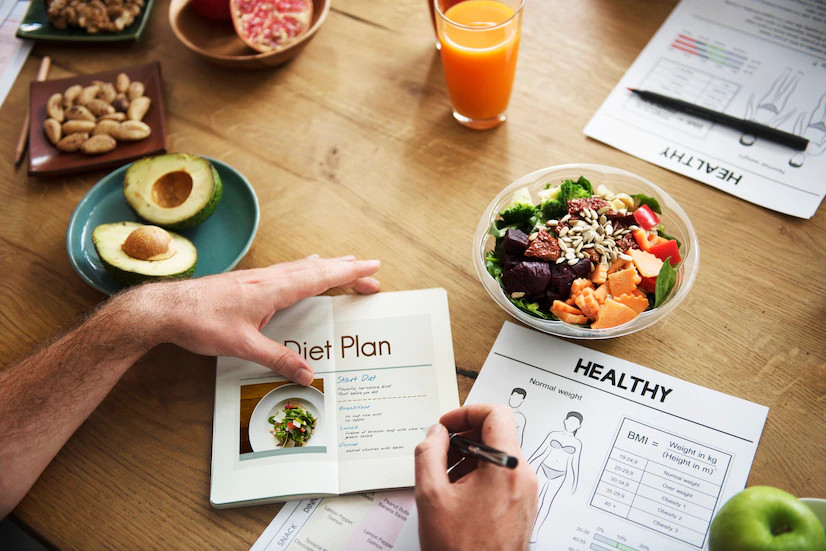
If you are new to adding seeds to your meals, consult a nutritionist to personalize a plan that matches your needs and preferences. This also helps you understand what counts as a superfood and which kinds of whole grains that support dieting are best for you.
Looking for information about nutrition, food and other diet tips? Click here!
- dr Hanifa Rahma
WebMD. (2021). 9 Seeds You Should be Eating. Available from: https://www.webmd.com/diet/ss/slideshow-seeds-healthy-diet?
Cleveland Clinic. (2021). The 6 Best Seeds to Eat. Available from: https://health.clevelandclinic.org/the-6-best-seeds-to-eat/
Robertson, R. (2017). 6 Super Healthy Seeds You Should Eat. Available from: https://www.healthline.com/nutrition/6-healthiest-seeds
Kubala, J. (2022). 8 Evidence-Based Health Benefits Quinoa. Available from: https://www.healthline.com/nutrition/8-health-benefits-quinoa
Ferreira, M. (2017). Can You Eat Pomegranate Seeds?. Available from: https://www.medicalnewstoday.com/articles/318384