
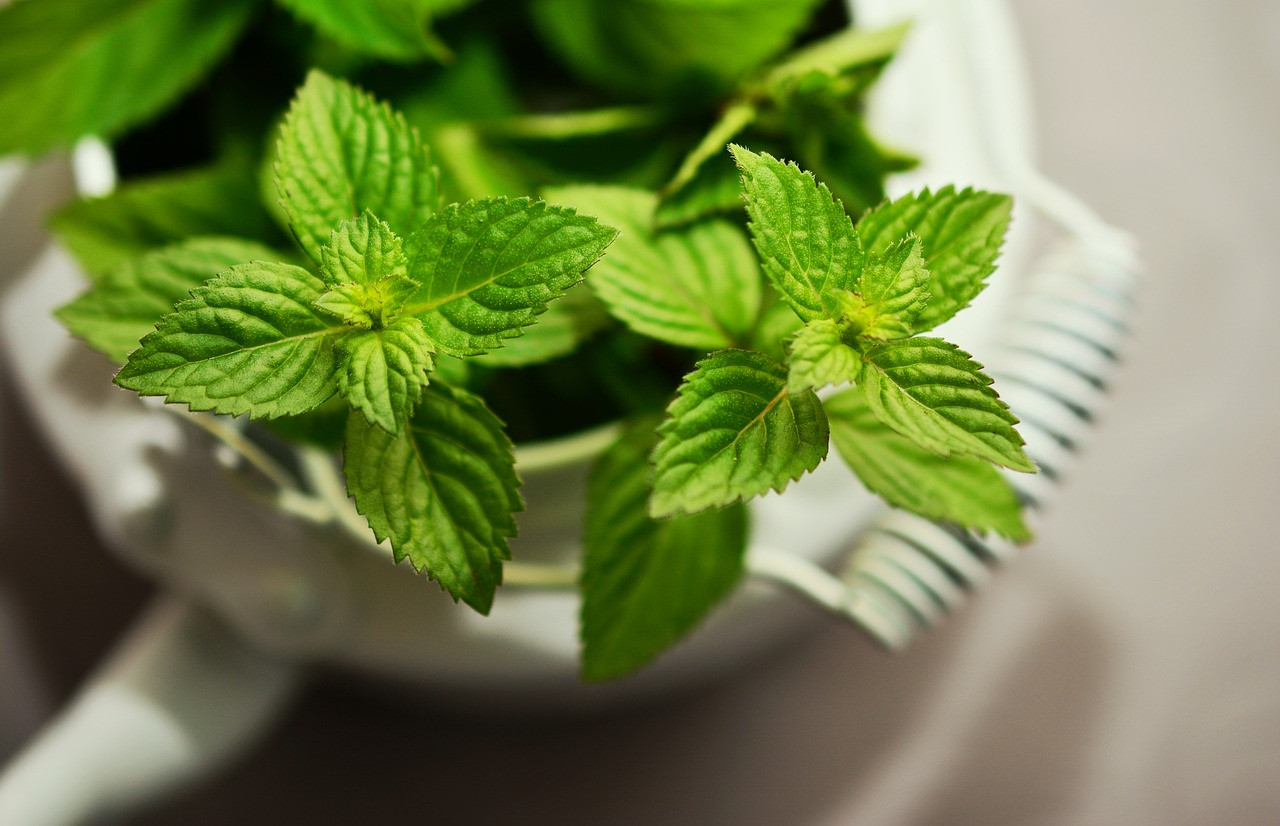
You’re probably familiar with mint leaves. These small, refreshing leaves are often used in drinks and as a garnish. Mint is also common in candy, soap, perfume, and essential oils. But beyond their pleasant aroma, mint leaves offer a range of health benefits. What are the health benefits of mint? Keep reading for more information.
Mint Leaves Content
Mint leaves have been used for medicinal purposes by ancient civilizations such as the Romans, Egyptians, and Greeks. Historically, mint was commonly used to freshen breath and soothe stomach discomfort. Despite their small size, mint leaves are packed with nutrients beneficial for health.
Two tablespoons of fresh mint (about 3.2 grams) contain:
-
2.24 calories
-
0.12 grams of protein
-
0.48 grams of carbohydrates
-
0.03 grams of fat
-
0.26 grams of fiber
In addition, mint leaves are rich in potassium, magnesium, calcium, phosphorus, vitamin C, iron, and vitamin A. They also contain antioxidants that help fight free radicals in the body.
Health Benefits of Mint Leaves
According to WebMD, here are some of the health benefits of mint leaves:
1. Relieve Headaches
One of the active compounds in mint leaves is menthol. Several studies suggest that menthol can help reduce migraine headaches and alleviate symptoms like light sensitivity, nausea, and vomiting.
When experiencing a migraine or headache, applying mint oil to your forehead, temples, or the affected area may help relieve the pain.
2. Maintain Oral Health
Mint’s refreshing taste isn’t just pleasant, it also helps eliminate germs that cause bad breath. Research has found that mint in toothpaste and mouthwash helps kill bacteria in the mouth, teeth, and gums.
3. Relieve Gastrointestinal Symptoms
Mint leaves are effective in relieving symptoms of Irritable Bowel Syndrome (IBS), a digestive disorder affecting the colon. Mint contains compounds that relax digestive muscles, which can ease the discomfort caused by IBS, such as gas, stomach pain, constipation, and diarrhea. Additionally, mint can help reduce nausea and vomiting, including those caused by chemotherapy.
4. Control Appetite
Studies have shown that mint essential oil may help control hunger. Chewing mint-flavored gum, sipping mint tea, using mint-scented mouthwash, or applying mint oil to your temples or other areas where the scent can be inhaled may support weight loss efforts by helping manage appetite.
5. Help You Concentrate
If you often find yourself struggling to focus at work or school, the aroma of mint may help improve your concentration and memory. You can inhale mint essential oil or apply a few drops to your wrists to enhance focus and mental clarity.
For fresh mint leaves, choose bright green, fresh leaves. Mint is also widely available in aromatherapy oils, essential oils, and various healthcare products like mouth fresheners, soaps, lotions, and toothpaste. Be sure to follow product instructions and discontinue use if irritation occurs.
Looking for information about nutrition, food and other diet tips? Click here!
- dr Hanifa Rahma
Healthline. 12 Science-Backed Benefits of Peppermint Tea and Extracts (2018). Available from: https://www.healthline.com/nutrition/peppermint-tea.
WebMD. Health Benefits of Peppermint. Available from: https://www.webmd.com/diet/ss/slideshow-health-benefits-peppermint.