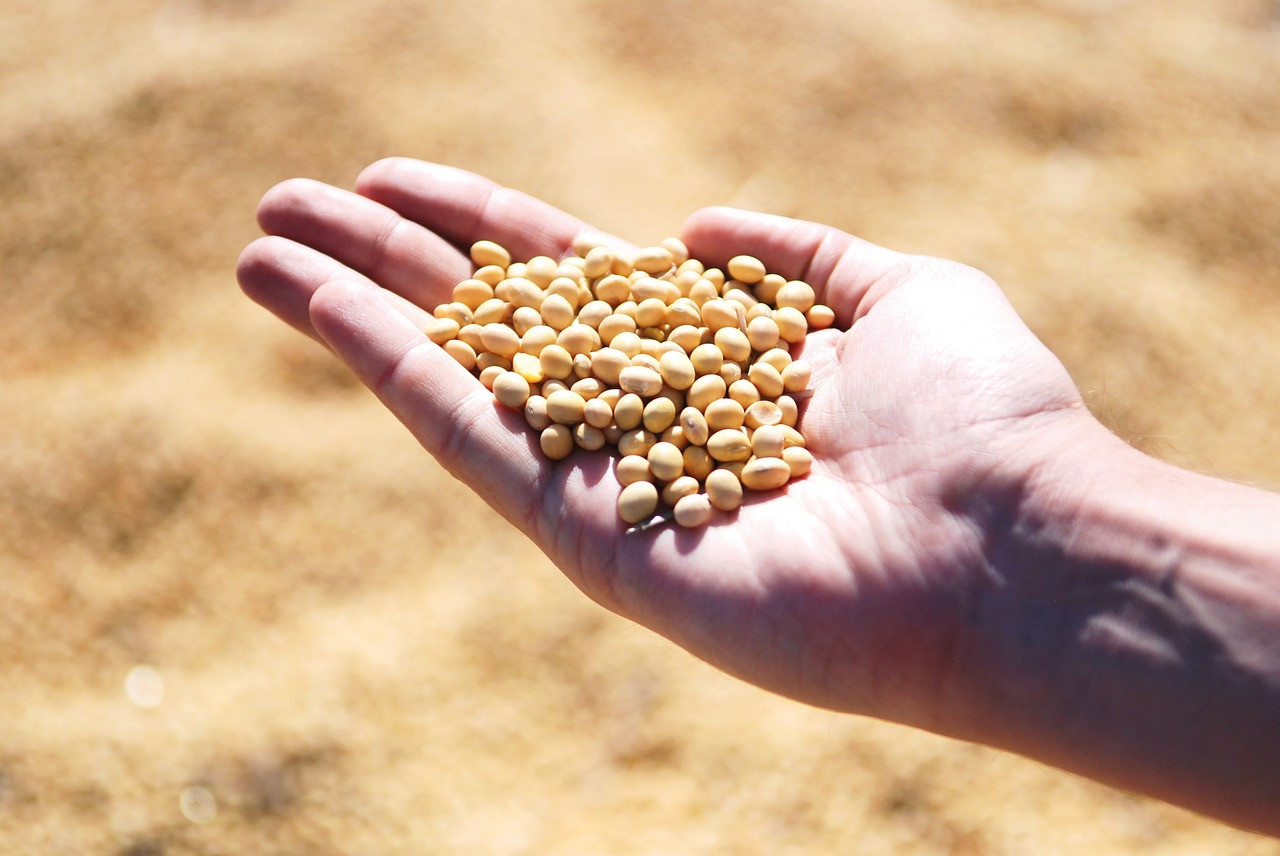
Soybeans are an excellent source of protein for your health. In addition to be a source of rich nutrients, soybeans can be processed into many tasty and nutritious foods, such as tofu and tempeh. Eating soybeans regularly also offers various health benefits, including helping to lower cholesterol, relieving menopausal symptoms, and strengthening bones and teeth. Even so, there are still many myths about soybeans for health that are widely misunderstood. What are these myths? Find out the explanation below:
Myths About Soybeans Circulating in Society
1. Men should not drink soy milk
One popular myth about soybeans is that men are advised not to consume soy products, especially soy milk. This belief claims that soy intake can interfere with testosterone levels and lead to a lower sperm count. In reality, according to the International Society for Sexual Medicine, soy consumption does not affect testosterone levels in men. Eating soybeans, including drinking soy milk, actually offers several health benefits for men, such as helping reduce the risk of prostate cancer.
2 . Soybeans cause fertility problems
In addition to supposedly affecting male fertility, another widespread myth about soybeans is that they can also interfere with female fertility. This concern comes from the phytoestrogen content in soybeans, which is thought to disrupt the endocrine system and lead to fertility problems. However, several studies have shown that women may actually benefit from soy intake to support fertility. One study found that isoflavones in soybeans can increase the chance of giving birth by about 1.3 to 1.8 times in women undergoing infertility treatment.
3. Soybeans cause breast cancer
According to WebMD, one of the most common myths about soybeans in women’s health is that soy intake increases the risk of breast cancer. This myth arises because soybeans contain isoflavones, compounds with an effect similar to estrogen. Some cancers, including breast cancer, are sensitive to estrogen, so exposure to estrogen or isoflavones is feared to make cancer grow more quickly.
This assumption has been challenged by several studies that showcase opposite results. These studies indicate that consuming soybeans may actually help to reduce the risk of breast cancer. Another study also found that both premenopausal and postmenopausal women who consumed soy had a 27% lower risks of developing breast cancer.
4. Soybeans are not a good source of protein
Soybeans are sometimes considered an inferior source of protein. In fact, soybeans are a high-quality source of protein that contain all the essential amino acids the body cannot produce on its own. Soybeans also provide healthy fats, fiber, and important vitamins and minerals. Therefore, soybeans are one of the best plant-based protein sources and are beneficial for health.
5. Soy milk is dangerous for babies
Another myth related to soybeans and their derivatives is that soy milk is considered unsafe for babies. Giving soy-based formula to babies is believed to affect brain development, sexual development, and the immune system. However, until now, there has been no scientific evidence strong enough to support these claims.
Looking for information about nutrition, food and other diet tips? Click here!
- dr Hanifa Rahma
Alina Petre. Is Eating Soy Healthy or Unhealthy? (2020). Available from : Is Soy Bad for You, or Good? (healthline.com)
Atli Arnarson BSc, PhD. Soybeans 101 : Nutrition Facs and Health Effect (2019). Available from : Soybeans 101: Nutrition Facts and Health Effects (healthline.com)