The COVID-19 pandemic is still ongoing. Besides following health protocols and getting vaccinated, you also need to keep your immune system strong by staying active and choosing nutritious foods. A well-functioning immune system can help increase your body’s defenses and lower the risk of COVID-19 infection.
WHO-Recommended Healthy Eating Tips During the Pandemic
Balanced nutrition and enough fluids are the key to maintain a strong immune system. People that eat well and exercise regularly are generally healthier and have better immunity to handle both chronic illnesses and infectious diseases. According to the World Health Organization (WHO), here are several healthy eating tips you can follow during the pandemic:
1. Eat fresh foods
Eating fresh foods that are naturally rich in fiber helps to keep your digestive system working properly. Whole, unprocessed foods like fruits and vegetables can support the growth of normal flora in the intestines and help maintain gastrointestinal health. Fruits and vegetables are also important sources of vitamins and minerals, such as vitamin C and potassium.
When you are preparing vegetables, avoid cooking them for too long so their nutrients are not lost. If you use canned fruits or vegetables, choose products that do not contain added sugar or salt.
2. Drink enough water
Water is vital for life. When you do not drink enough, blood circulation and the absorption of nutrients can be disrupted. Water also helps the body flush out waste and metabolic byproducts from your body.
The WHO suggests drinking about 8–10 glasses of water each day. In addition to plain water, you can also meet your fluid needs by eating fruits and vegetables that are high in water content.
3. Consume sufficient fats and oils
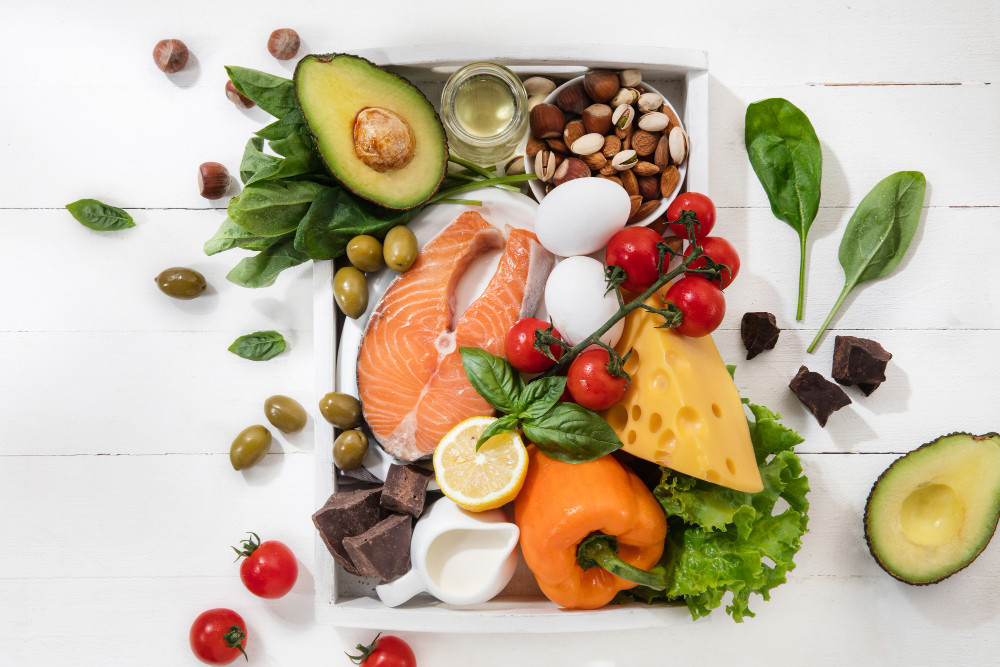
Your body still needs fats and oils, as long as the amounts are reasonable. For healthier choices, you can use oils such as olive oil, sunflower oil, or corn oil. Healthy fats can also be obtained from fatty fish, avocados, and nuts. When you eat meat, it is better to choose white meats like chicken and fish, which usually contain less fat and are considered healthier than beef.
The WHO also recommends limiting foods that contain trans fats, for example many canned products and fast foods.
4. Reduce salt and sugar
When you cook at home, try to reduce the use of salt and sugar as flavor enhancers. Limit your salt intake to no more than 5 grams per day and use iodized salt for daily consumption. You also need to cut back on salt and sugar from everyday snacks, such as chips, biscuits, cakes, sweetened fruit juices, and syrups. For a healthier choice, you can eat fresh fruit as a snack instead of packaged snack foods.
5. Avoid eating out
You should reduce how often you eat outside the home to help limit the spread of the COVID-19 virus in the community. In addition, home-cooked meals are generally healthier because you can choose better-quality ingredients and control the amount of oil, salt, and sugar used in your dishes.
Looking for information about nutrition, food and other diet tips? Click here!
- dr Hanifa Rahma