
Definition
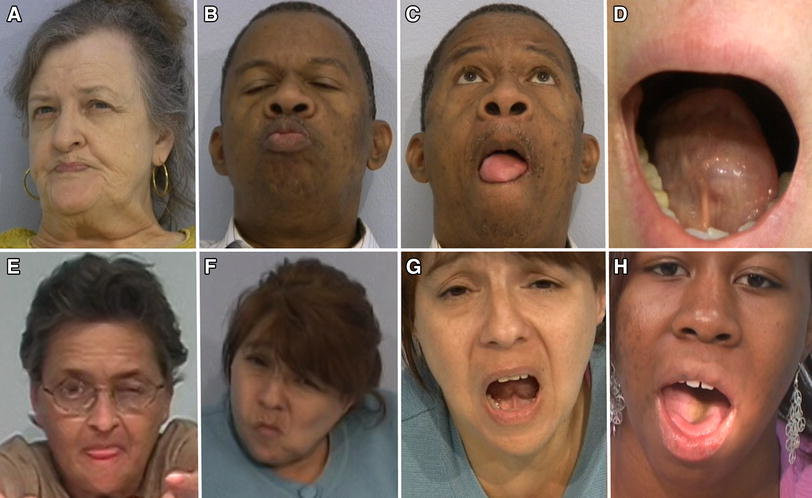
Tardive dyskinesia is a movement disorder characterized by repetitive and uncontrolled muscle movements in the face, neck, torso, arms, and legs. It causes functional disturbances and significantly affects the quality of life.
Causes
Tardive dyskinesia is generally a side effect of long-term use of certain medications. This condition can be permanent even after the causative drug is discontinued. The most common culprits are antipsychotic medications, typically used to treat schizophrenia, bipolar disorder, and other mental and neurological conditions. These drugs, also known as neuroleptics, work by inhibiting dopamine, thereby controlling muscle movements. When dopamine levels in the brain are low, body movements become uncontrolled.
Tardive dyskinesia usually develops after taking antipsychotic drugs for a considerable period, typically at least three months. The occurrence is lower with the use of older antipsychotic drugs. There are two generations of antipsychotic drugs:
- First generation (older): examples include chlorpromazine, haloperidol, fluphenazine
- Second generation (newer): examples include aripiprazole, clozapine, olanzapine, risperidone
Tardive dyskinesia is also associated with long-term use of anti-nausea drugs like metoclopramide and prochlorperazine, as well as drugs for neurological disorders such as Parkinson's disease.
Risk Factor
Anyone taking antipsychotics can develop tardive dyskinesia, but the risk is higher for:
- Individuals with long-term use of antipsychotics for schizophrenia. The risk increases with the duration of drug use
- Those over 55 years old
- Women, especially postmenopausal
- Individuals with a family history of tardive dyskinesia
- Schizophrenia patients displaying negative symptoms, such as social withdrawal or poor personal hygiene
- African-American or Asian-American descent
- Smokers
- Alcohol consumers
- Users of illicit drugs
- Individuals with uncontrolled diabetes
Symptoms
Tardive dyskinesia causes involuntary jerky movements that can occur quickly or slowly, making it difficult to work and perform daily activities.
Symptoms of tardive dyskinesia can include:
Face
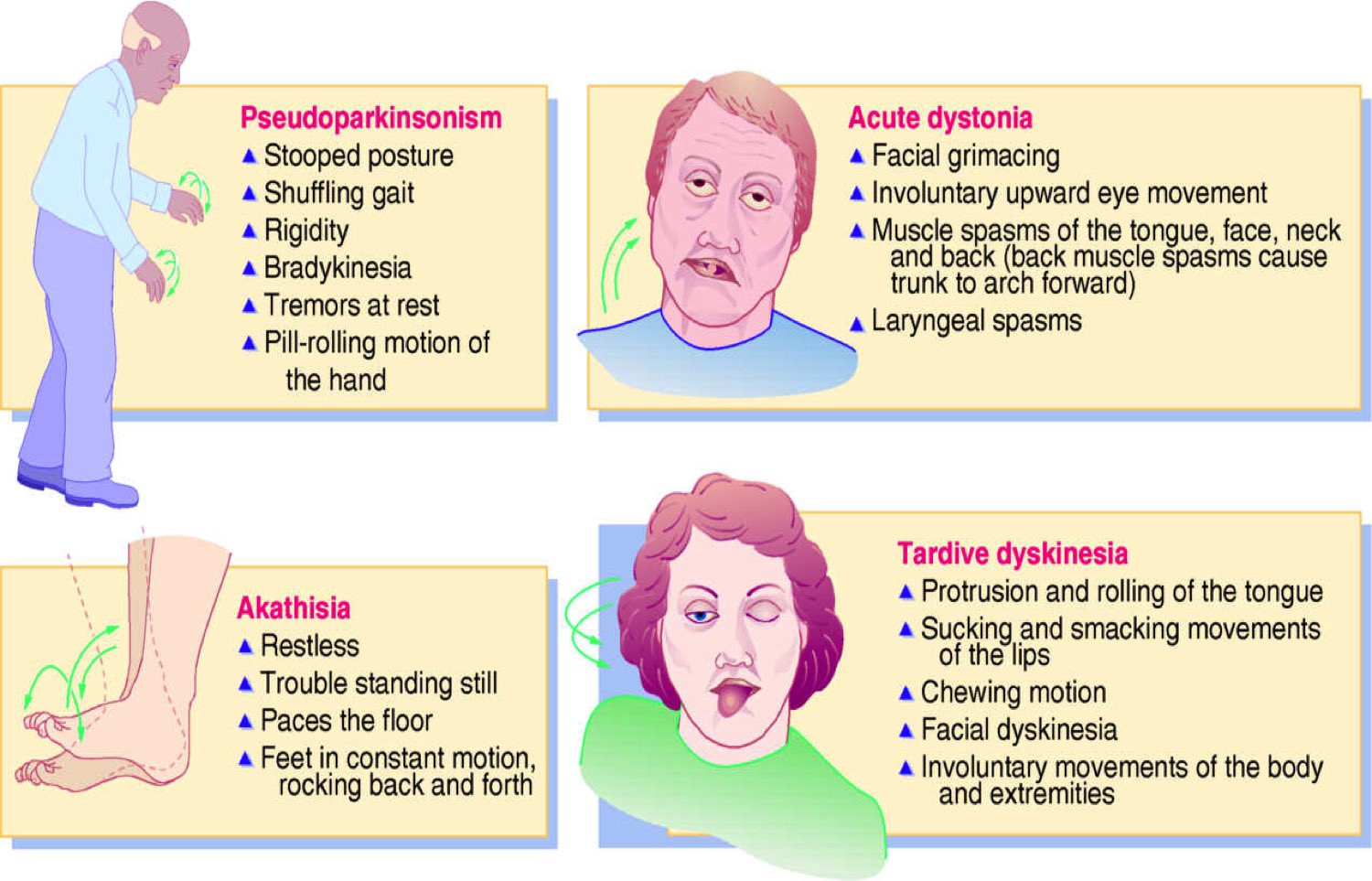
- Automatic tongue protrusion
- Rapid blinking
- Chewing movements
- Puckering or pursing of lips
- Sucking or fish-like mouth movements
- Puffing cheeks
- Wrinkling the forehead
- Grimacing
- Snorting
Limbs (hands and feet)
- Finger tapping
- Arm and leg jerking
- Arm flapping
- Hip movements
- Swaying
Tardive dystonia is a more severe form of tardive dyskinesia, characterized by prominent twisting movements of the neck and torso.
Diagnosis
Diagnosing tardive dyskinesia can be challenging, as symptoms may not appear until months or years after starting the causative drug. Some individuals first notice symptoms after stopping the medication.
Doctors will conduct a physical examination called the Abnormal Involuntary Movement Scale to assess movement disorders. Additional tests will be performed to rule out other causes of abnormal movements, such as:
- Cerebral palsy
- Huntington's disease
- Parkinson's disease
- Stroke
- Tourette's syndrome
To eliminate these possibilities, blood tests and radiological examinations of the head, such as a CT scan or MRI, may be conducted.
Management
If tardive dyskinesia is caused by medication, a doctor will evaluate the drugs being taken. If deemed psychiatrically safe, the causative medication may be discontinued or replaced, or its dose reduced. For instance, if a first-generation antipsychotic is being used, a doctor might switch to a second-generation drug, though second-generation drugs can also cause tardive dyskinesia. Additional medications to alleviate symptoms might also be prescribed. It's important not to discontinue any regular medication without consulting a doctor first.
Treatment options for tardive dyskinesia include:
- Initial therapy with specific movement disorder medications like valbenazine and deutetrabenazine. These drugs are thought to work similarly by regulating dopamine flow in brain areas controlling certain movements. Both medications can sometimes cause drowsiness, and deutetrabenazine may cause depression in Huntington's disease patients.
- The short-term medication clonazepam is another treatment option for muscle stiffness.
- Although no studies conclusively show herbal supplements can improve symptoms, some individuals report improvement with supplements like ginkgo biloba, melatonin, vitamin B6, and vitamin E. Consult a doctor before taking supplements.
Responses to therapy vary. For symptoms not responding well to treatment, a doctor may prescribe Parkinson's disease medications like amantadine. Some research indicates deep brain stimulation can be effective for individuals unresponsive to other therapies.
Previously, anticholinergic drugs were used to improve movement symptoms, but these are now known to worsen symptoms and decrease cognitive function, especially when taken with antipsychotics.
In addition to medication, exercise can also help. The benefits of exercise are:
- Improving symptoms like tremors, balance-related issues, gait, and body flexibility
- Balancing blood sugar and hormone levels
- Enhancing cognitive function
- Reducing negative symptoms of schizophrenia
Complications
Tardive dyskinesia can lead to social withdrawal due to embarrassment, potentially causing or worsening existing depression or anxiety. It can also affect work and personal relationships. Severe symptoms can sometimes significantly impact quality of life and, though rare, can be life-threatening.
Complications from abnormal movements include:
- Breathing difficulties
- Dental issues
- Swallowing problems
- Permanent facial changes, like drooping eyelids or mouth
- Speech difficulties
Prevention
Tardive dyskinesia can be prevented by reducing the risk factors that contribute to the condition. Maintaining a healthy body by quitting smoking, avoiding illegal substances, and managing diabetes can help protect against and reduce the risk of developing tardive dyskinesia.
For routine screening of tardive dyskinesia symptoms that might be present but you are unaware of, you can also speak with your doctor. It should be a yearly screening. Early treatment of any symptoms, no matter how minor, is necessary to avoid negative consequences on everyday functioning and quality of life in the future.
Since antipsychotic medications are used to treat chronic (long-term) mental health issues, their use is prolonged; however, side effects can be reduced by selecting the appropriate kind and dosage. If you are taking antipsychotic medications, you should consult your doctor to determine the best option.
When to See a Doctor?
Not all antipsychotic medication consumers will experience tardive dyskinesia. Nevertheless, this condition will persist (be permanent) once it manifests. Therefore, see a doctor right away if you observe any movements that you are unable to control.
Looking for more information about other diseases? Click here!
- dr. Alvidiani Agustina Damanik
Tardive dyskinesia | NAMI: National Alliance on Mental Illness. Nami.org. (2022). Retrieved 1 April 2022, from https://www.nami.org/About-Mental-Illness/Treatments/Mental-Health-Medications/Tardive-Dyskinesia.
What Is Tardive Dyskinesia?. WebMD. (2022). Retrieved 1 April 2022, from https://www.webmd.com/mental-health/tardive-dyskinesia#1.
Tardive Dyskinesia - NORD (National Organization for Rare Disorders). NORD (National Organization for Rare Disorders). (2022). Retrieved 1 April 2022, from https://rarediseases.org/rare-diseases/tardive-dyskinesia/.
Tardive Dyskinesia: Movement Disorders, Facial Tics & Symptoms. Cleveland Clinic. (2022). Retrieved 1 April 2022, from https://my.clevelandclinic.org/health/articles/6125-tardive-dyskinesia.


/62d2449c2c10c.jpg)