Definition
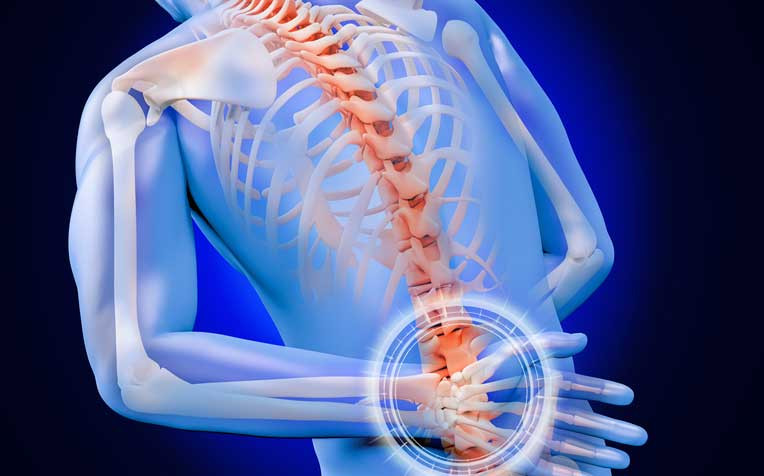
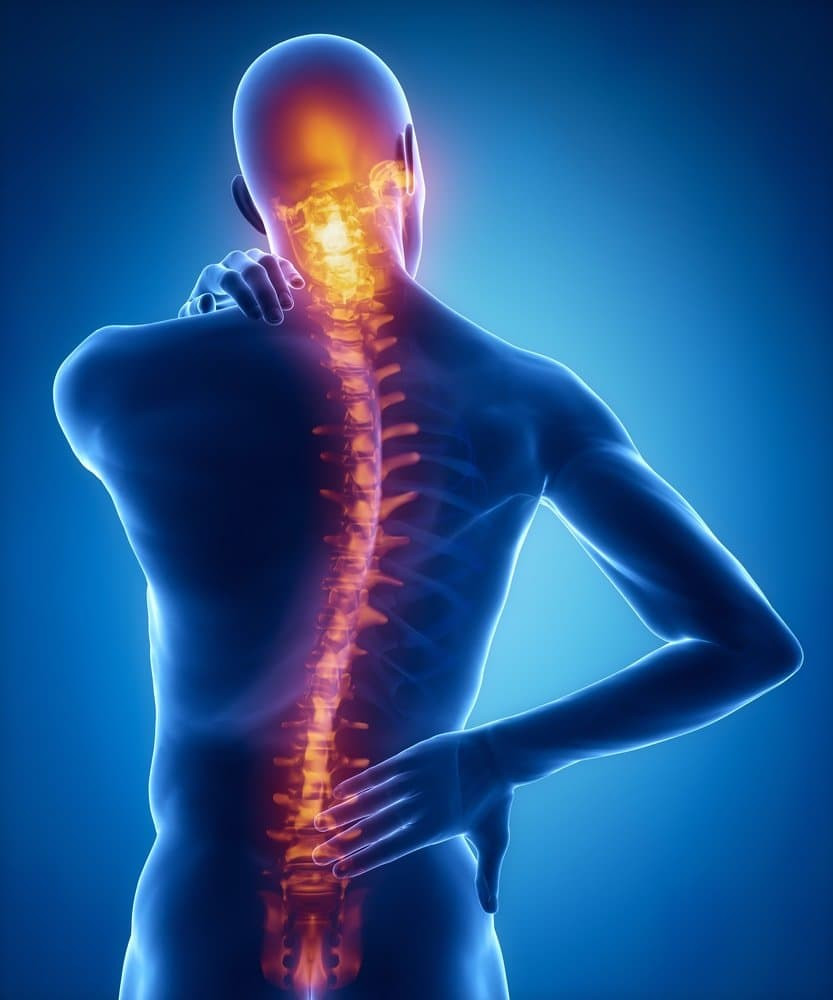
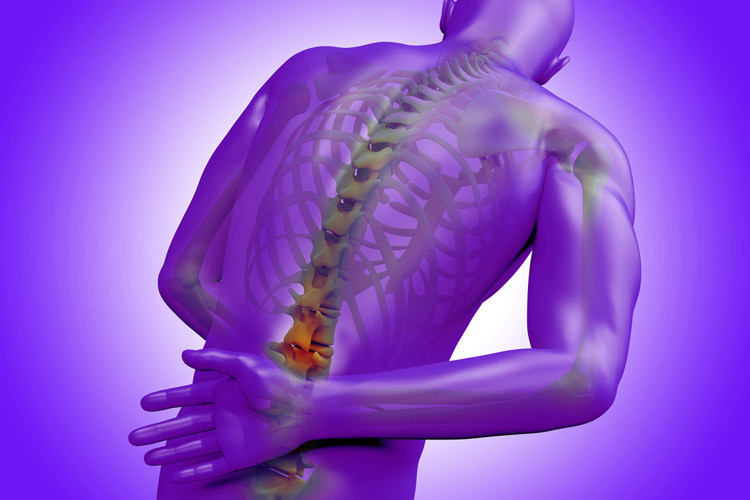
Scoliosis is a condition where the spine curves abnormally to the side. It can occur at any age, from infants to adults, but is most commonly found in children and adolescents aged 10-15 years. This condition affects both boys and girls equally. The degree of curvature in scoliosis can range from mild to severe.
On an X-ray examination of the spine, scoliosis is diagnosed when the angle of curvature exceeds 10 degrees. The spine may appear in a "C" or "S" shape.
Causes
Most cases of scoliosis in children (about 80%) have unknown causes. Scoliosis types are categorized based on their cause, including:
- Idiopathic scoliosis, where the cause is unknown, and no medical conditions that could cause scoliosis are found in the patient.
- Congenital scoliosis, which occurs due to a spine abnormality present from birth. As the child grows, the location and shape of the abnormality can influence the rate of scoliosis progression.
- Degenerative scoliosis is caused by spinal damage that develops with age, often affecting the elderly.
- Neuromuscular scoliosis, caused by nerve or muscle disorders such as:
- Cerebral palsy
- Spinal cord injury
- Spina bifida
- Muscular dystrophy (progressive muscle mass loss and weakness)
Scoliosis caused by neurological disease generally worsens more quickly and often requires surgery to correct it, compared to idiopathic scoliosis.
Risk Factor
Several factors may increase the risk of scoliosis, including:
- Age. Scoliosis signs and symptoms typically appear during the growth spurt between ages 10-15.
- Gender. While both boys and girls have an equal chance of developing mild scoliosis, girls are at higher risk for more severe curvature that requires treatment.
- Genetics. A family history of scoliosis can increase risk, although most children with scoliosis have no family history.
Symptoms
Some signs that may indicate scoliosis include:
- A visible curve in the spine
- A body that leans to one side
- A head that does not align with the center of the pelvis
- Uneven shoulders, with one shoulder blade appearing more prominent
- Uneven waist, with one side higher than the other
- Ribs at different heights, with one side protruding more
Scoliosis can also cause symptoms such as:
- Lower back pain
- Stiffness in the back
- Pain and numbness in the legs
- Fatigue due to muscle strain
Diagnosis
Medical Interview and Physical Examination
The doctor will first ask about your or your child’s medical history and growth patterns. During a physical exam, the doctor may ask you or your child to stand and then bend forward from the waist with arms hanging freely. This test checks if one side of the rib cage is more prominent than the other. A neurological exam may also be performed to check for muscle weakness, loss of sensation, or abnormal reflexes.
Imaging
Imaging tests, such as an X-ray of the spine, can confirm scoliosis and determine the severity of the curvature. X-rays are also used to monitor scoliosis progression, though repeated exposure to X-ray radiation can be a concern.
Ultrasound may be another option but is less accurate in determining the severity of scoliosis. MRI may be recommended if the doctor suspects an underlying medical condition, such as a spinal nerve disorder.
Management
Therapy Considerations
Scoliosis treatment depends on:
- The patient’s current age
- The severity of the spinal curvature
- Whether the scoliosis is likely to worsen over time
Other factors considered in treatment decisions include:
- Bone maturity
If a child’s bones have stopped growing, the risk of scoliosis worsening is low, and braces are most effective when bones are still growing. Bone maturity can be assessed via X-ray.
- Gender
Girls are at higher risk of scoliosis progression compared to boys.
Children with very mild scoliosis usually do not require treatment but may need close monitoring through periodic X-rays to check for worsening curvature as they grow.
Treatment Options
Some children may need to wear a brace to prevent the scoliosis from worsening, while others may require surgery to straighten the spine. Treatment options for scoliosis include:
- Brace
If the child’s bones are still growing and scoliosis is moderate, a doctor may recommend a brace. Braces do not cure or reverse scoliosis but can prevent the curvature from worsening. The most common type of brace is made of plastic and fits the body's contours, making it almost invisible under clothing. Most braces need to be worn for 13-16 hours a day.
The effectiveness of a brace increases with the number of hours worn per day. Children who wear braces can typically participate in most activities with minimal restrictions. Braces can be removed for sports or physical activities.
The brace is usually discontinued once the child stops growing. On average, girls stop growing around age 14, and boys around age 16, though this varies by individual.
- Surgery
Severe scoliosis that worsens over time may require surgery to straighten the spine and prevent further deterioration.
Complications
Most scoliosis cases are mild, but spinal curvature can worsen as a child grows. Severe scoliosis can lead to disabilities, including:
- Breathing Problems
Severe spinal curvature can reduce chest volume, causing the ribs to press against the lungs and making it difficult to breathe properly.
- Back Problems
People who have scoliosis from childhood are more likely to experience chronic back pain as adults, especially if the scoliosis is severe and untreated.
- Appearance Issues
As scoliosis worsens, noticeable physical changes may occur, such as uneven hips and shoulders, prominent ribs, or a leaning body. Many scoliosis patients feel self-conscious about their appearance.
Prevention
There is no known way to prevent scoliosis. It is not related to poor posture, physical activity, or diet. Carrying heavy loads during childhood also does not cause scoliosis. However, as a parent, you can recognize early signs of scoliosis to ensure early treatment.
When to See a Doctor?
Consult a doctor if you notice signs of scoliosis in your child. Mild spinal curvature can go unnoticed because it often develops slowly and without pain. Sometimes, teachers or friends are the first to spot scoliosis in a child.
Looking for more information about other diseases? Click here!
- dr. Alvidiani Agustina Damanik
Scoliosis - Diagnosis and treatment - Mayo Clinic. (2022). Retrieved 10 August 2022, from https://www.mayoclinic.org/diseases-conditions/scoliosis/diagnosis-treatment/drc-20350721.
An Overview of Scoliosis. (2022). Retrieved 10 August 2022, from https://www.webmd.com/back-pain/causes-scoliosis.
Scoliosis – Symptoms, Diagnosis and Treatment. Retrieved 10 August 2022, from https://www.aans.org/Patients/Neurosurgical-Conditions-and-Treatments/Scoliosis.
Scoliosis. (2020). Retrieved 10 August 2022, from https://www.nhs.uk/conditions/scoliosis/.