Definition
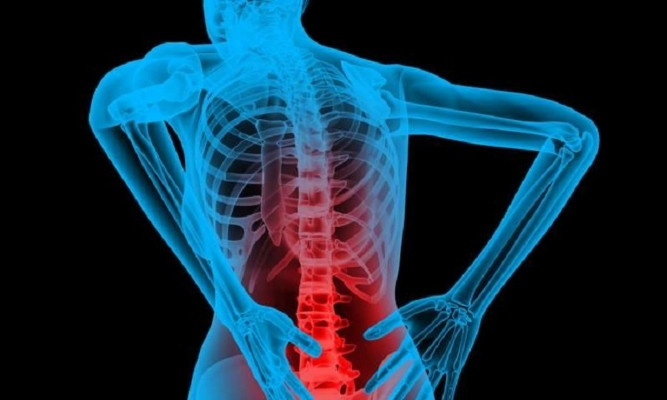
Tuberculous spondylitis, also known as Pott's disease, is a form of tuberculosis (TB) infection outside the lungs that most commonly affects the spine. This condition is often associated with back pain and weakness in the lower limbs.
Tuberculosis most frequently affects the lungs but can also cause issues in other areas such as the spine, kidneys, brain, or skin. Tuberculous spondylitis is a classic manifestation of extrapulmonary TB. This disease is associated with significant morbidity and can lead to severe functional impairments.
Globally, extrapulmonary TB accounted for 14% of the 6.4 million reported TB cases in 2017. Among all TB cases affecting organs other than the lungs, bone and joint involvement occurs in about 9.8% of cases.
Due to the nonspecific nature of the symptoms or their delayed onset until the disease has significantly progressed, diagnosis of tuberculous spondylitis is often delayed. Patients may require several months of treatment to achieve optimal recovery.
Causes
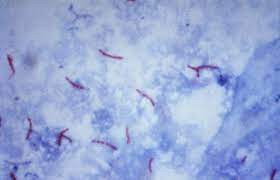
Similar to pulmonary tuberculosis, tuberculous spondylitis is caused by the bacterium Mycobacterium tuberculosis. In many individuals, the bacteria can remain dormant for long periods before becoming active when the immune system is weakened.
Transmission can occur through droplets from an infected person's saliva. In the case of tuberculous spondylitis, the bacteria can spread through the bloodstream to reach bones and joints. The lower part of the spine (paradiscal area) is most commonly affected, although the mid and upper spine can also be involved.
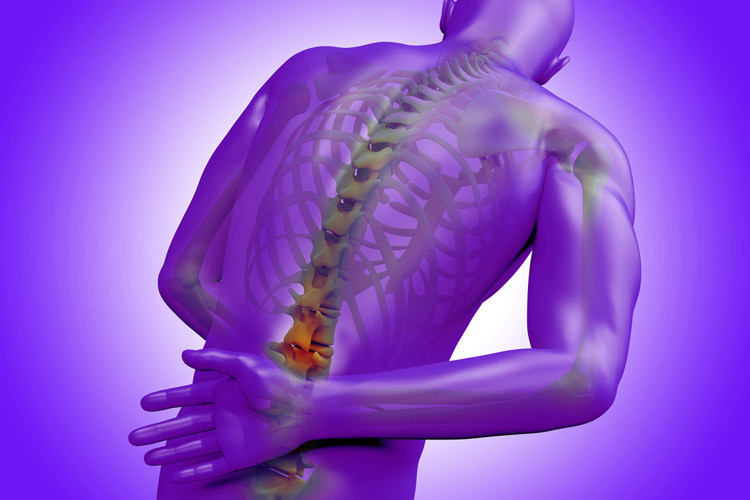
Patients with tuberculous spondylitis experience progressive destruction of the spine, which can alter its curvature and shape. The collapse of the vertebrae due to bone destruction can lead to structural changes in the spine, a condition known as kyphosis. Additionally, abscesses may form in the soft tissues surrounding the spine.
Risk Factor
Tuberculosis can affect people of all ages, races, and socioeconomic statuses. Several factors can increase the risk of developing tuberculous spondylitis, including:
- Living or working in close contact with someone infected with TB for an extended period
- Low socioeconomic status, which may limit access to healthcare
- Living in densely populated areas
- Residing in regions with high TB incidence
- Having a weakened immune system, such as individuals with HIV/AIDS or cancer
- Substance abuse, including alcohol and illegal drugs
- Being elderly
- Healthcare workers are exposed to high-risk populations
Symptoms
The signs and symptoms of tuberculous spondylitis vary depending on the disease duration, the location of the spinal lesion, the severity of the disease, and whether complications such as spinal deformity or neurological impairment are present. Some possible symptoms include:
- Fever
- Back pain
- Weakness in the lower limbs
- Pain at rest
- Forward curvature of the upper spine (kyphosis)
- Abscesses in the neck, armpits, chest wall, or around the lower back muscles
- Neurological disturbances, such as hyperactive tendon reflexes, loss of sensation to touch, pain, or temperature
Diagnosis
To diagnose tuberculous spondylitis, your doctor will conduct a series of interviews and examinations. The initial step involves discussing your symptoms, medical history, and past treatments. A physical examination will follow, focusing on the spine and neurological function, especially if there is significant clinical presentation like spinal deformity or neurological deficits.
Here are some diagnostic tests that may be recommended:
- Laboratory tests
- Erythrocyte Sedimentation Rate (ESR) and C-reactive protein (CRP): These are often elevated in TB.
- Acid-Fast Bacillus (AFB) test: Detects TB bacteria.
- Bacterial culture: Grows bacteria from a sample to identify the specific type causing the infection.
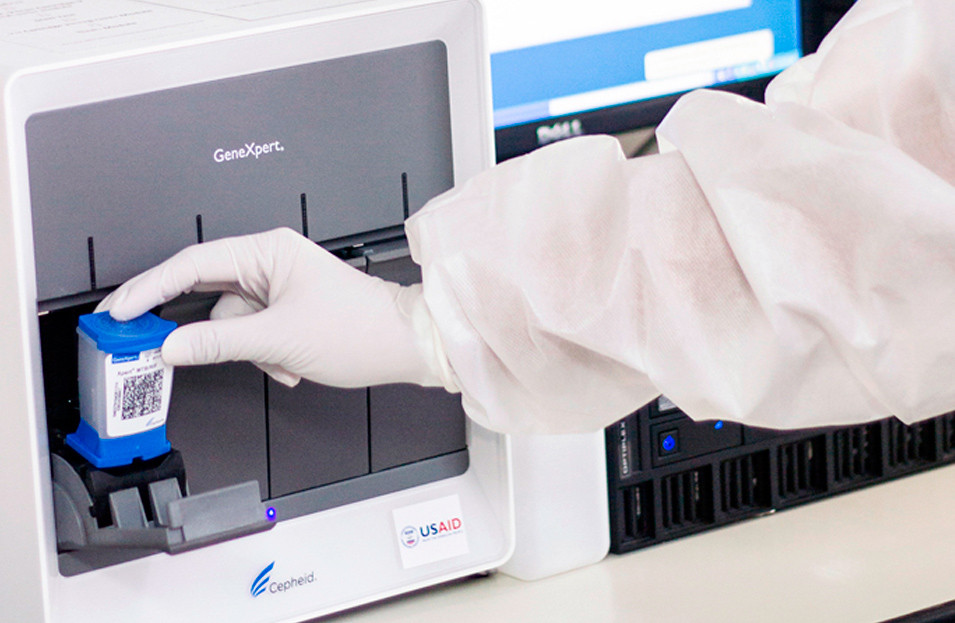
- GeneXpert MTB/RIF: Detects TB bacteria and checks for resistance to rifampicin, a common TB medication.
- Radiological exams
- X-rays of the spine and chest: To detect destruction or changes in the spine.
- CT scan with contrast or MRI: Provides a clearer view of damage to the spine and surrounding soft tissues.
Management
Tuberculous spondylitis is a chronic infection requiring prolonged treatment. Effective management requires direct supervision to ensure complete recovery, with a commitment from patients, healthcare providers, and public health authorities to eradicate the disease. The following treatments are commonly used:
Anti-Tuberculosis Drugs (ATD)
Anti-tuberculosis drugs are the primary therapy for treating tuberculous spondylitis. These include isoniazid, rifampicin, pyrazinamide, ethambutol, and streptomycin.
TB bacteria can live both inside and outside cells and multiply rapidly, requiring a combination of medications over an extended period, typically 6-18 months, depending on the patient's response and adherence to the daily regimen.
Drug-Resistant TB
Drug-resistant TB is diagnosed when patients have resistance to isoniazid, rifampicin, or injectable TB drugs. This condition can affect the type and duration of treatment. The doctor will provide alternative medication recommendations.
Surgery
Surgery may be considered if there are indications such as:
- Lack of response to ATD
- Recurrent disease
- Severe neurological weakness
- Continued neurological deterioration despite ATD
- Spinal deformity
- Severe pain that significantly impacts daily activities
- Spinal instability due to bone damage
The surgical procedure will depend on the available equipment and the surgeon's expertise. It is important to discuss the best treatment options with your doctor.
Complications
If tuberculous spondylitis is not properly treated, it can lead to severe complications. Non-adherence to therapy may result in treatment failure and drug resistance. This could limit future treatment options and lead to extensive spinal damage, worsening spinal deformities, and neurological deficits. TB may also spread more widely throughout the body.
Prevention
Preventing TB infection can be achieved through the following measures:
- Avoiding contact with TB patients to prevent transmission
- Covering the mouth with a mask or elbow when coughing and avoiding spitting in public
- Ensuring good ventilation in living spaces
- Wearing masks in crowded or high-risk areas
- Completing TB treatment as prescribed to prevent bacterial resistance or disease progression
When to See a Doctor?
You should be cautious if you have been in contact with a TB patient. If you experience symptoms of pulmonary TB or signs of tuberculous spondylitis as described above, promptly consult a doctor for appropriate care.
Looking for more information about other diseases? Click here!
- dr. Alvidiani Agustina Damanik
Foster, T. (2023). Tuberculous spondylitis. Available from: https://radiopaedia.org/articles/tuberculous-spondylitis-2#.
Hidalgo, J. (2022). Pott Disease (Tuberculous [TB] Spondylitis). Available from: https://emedicine.medscape.com/article/226141-overview.
Viswanathan, V. K. (2022). Pott Disease. Available from: https://www.ncbi.nlm.nih.gov/books/NBK538331/.
Johns Hopkins Medicine. Tuberculosis TB. Available from: https://www.hopkinsmedicine.org/health/conditions-and-diseases/tuberculosis-tb.