
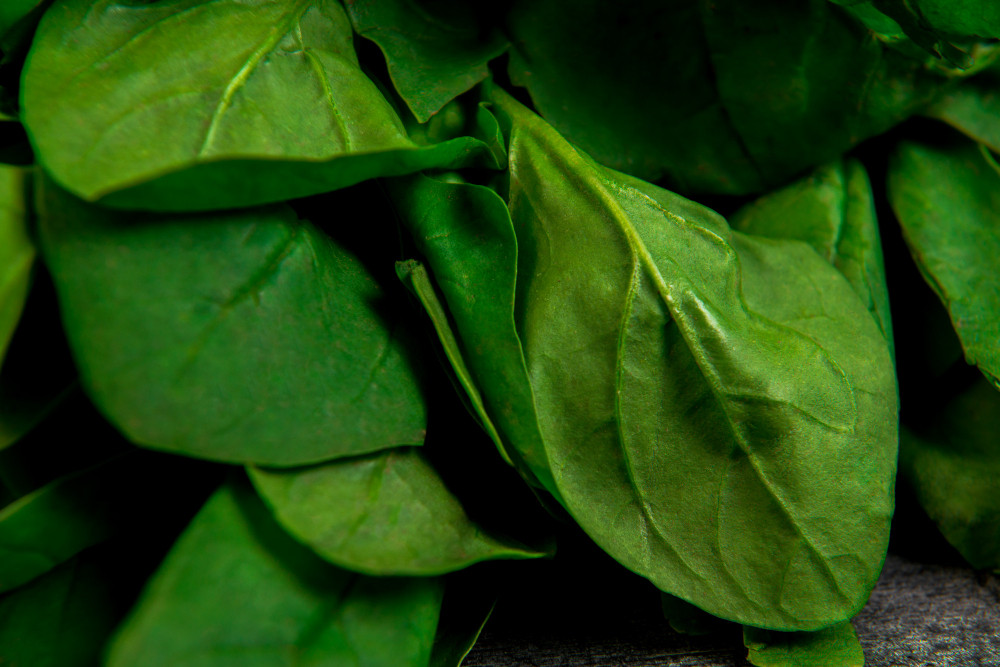
While expecting, mothers need a steady supply of nutrients to support a growing fetus. A practical way to meet these needs is to maintain a healthy lifestyle that includes nutritious foods. Spinach is one such option. This leafy vegetable provides a variety of vitamins and minerals that support fetal development.
Benefits of Spinach for Pregnant Women
Spinach is among the vegetables recommended during pregnancy. As noted by Mom Junction, it contains key nutrients such as iron, folate, and calcium that play important roles in fetal growth. The following are several benefits of adding spinach to a pregnancy diet:
1. Supports red blood cell production
Spinach is naturally rich in iron. Medical News Today reports that one cup of raw spinach supplies about 0.81 grams of iron. Iron helps the body make red blood cells. During pregnancy, the need for blood increases to nourish the fetus. Red blood cells carry oxygen and nutrients throughout the mother’s body and to the fetus, and adequate iron helps prevent anemia in pregnancy. Untreated anemia can raise the risk of complications before and during delivery.
2. Helps keep bones and teeth healthy
Spinach also provides calcium. One cup of raw leaves contains about 30 mg of calcium, which contributes to the daily requirement. According to guidance from the Ministry of Health, pregnant women need at least 1,000 to 1,150 mg of calcium each day. Needs rise in pregnancy because the fetus uses the mother’s calcium to build bones and cells. If calcium intake falls short, the mother can be more prone to high blood pressure while pregnant.
3. Strengthens the immune system
Beyond calcium and iron, spinach offers vitamins A, C, and K that support immune function. It also contains antioxidant compounds that help protect cells from damage. Eating a variety of healthy vegetables, including spinach, can enhance immune defenses so expectant mothers are less likely to get sick.
4. Lowers the risk of birth defects
Spinach, whether green or red varieties, contains abundant folate. Health professionals recommend getting folate from early pregnancy to lower the risk of birth defects that affect the brain and spinal cord.
5. Helps relieve constipation
Hormonal shifts in pregnancy can slow digestion and lead to constipation. A fiber-rich eating pattern can help. Spinach is a good source of fiber and can be eaten raw in salads or smoothies, or cooked in everyday dishes to support regularity.
Spinach is affordable and easy to find in Indonesia. Pregnant women can consider eating at least half to one cup per day to help meet nutritional needs. If you have a history of kidney stones, you may wish to limit spinach because of its mineral content. Choose amounts that fit your needs and overall health, and speak with a healthcare provider if you have specific concerns.
Looking for information about nutrition, food and other diet tips? Click here!
- dr Hanifa Rahma
Ware, M. (2018). Health benefits and nutritional value of spinach. Available from: https://medicalnewstoday.com/articles/270609
Garoo, R. (2021). Spinach For Babies: Health Benefits And Amazing Recipes. Available from: https://momjunction.com/articles/quick-and-easy-spinach-recipes-for-your-baby_00100969/
Pritasari, Damayanti, D., Lestari, N. (2017). Gizi Dalam Daur Kehidupan. Available from: http://bppsdmk.kemkes.go.id/pusdiksdmk/wp-content/uploads/2017/11/GIZI-DALAM-DAUR-KEHIDUPAN-FINAL-SC.pdf