Definition
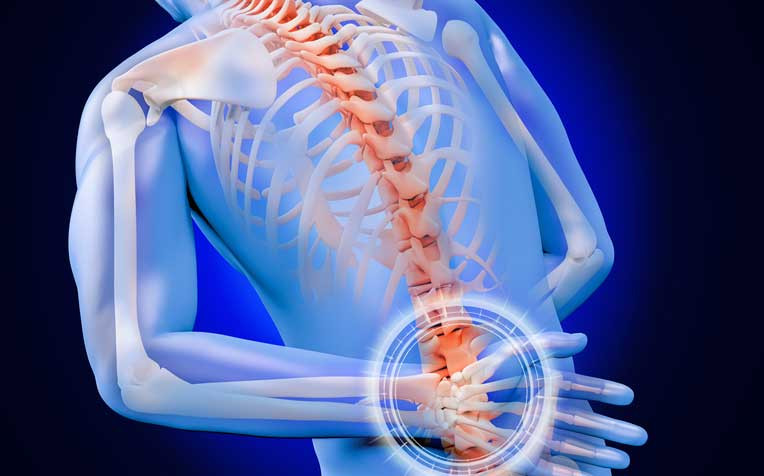
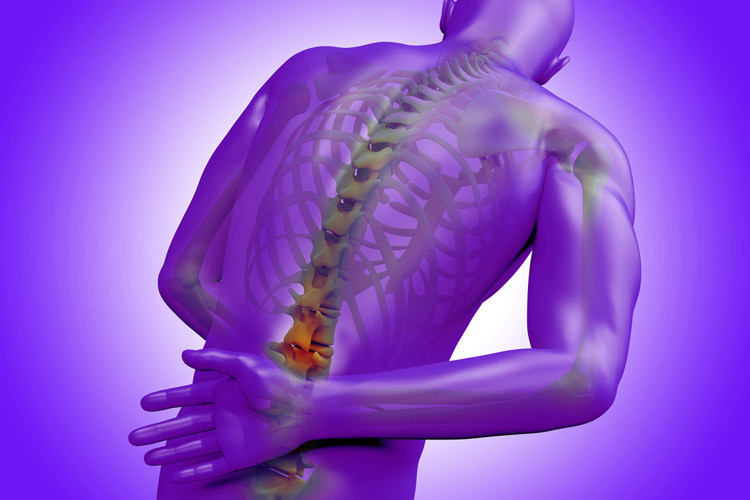
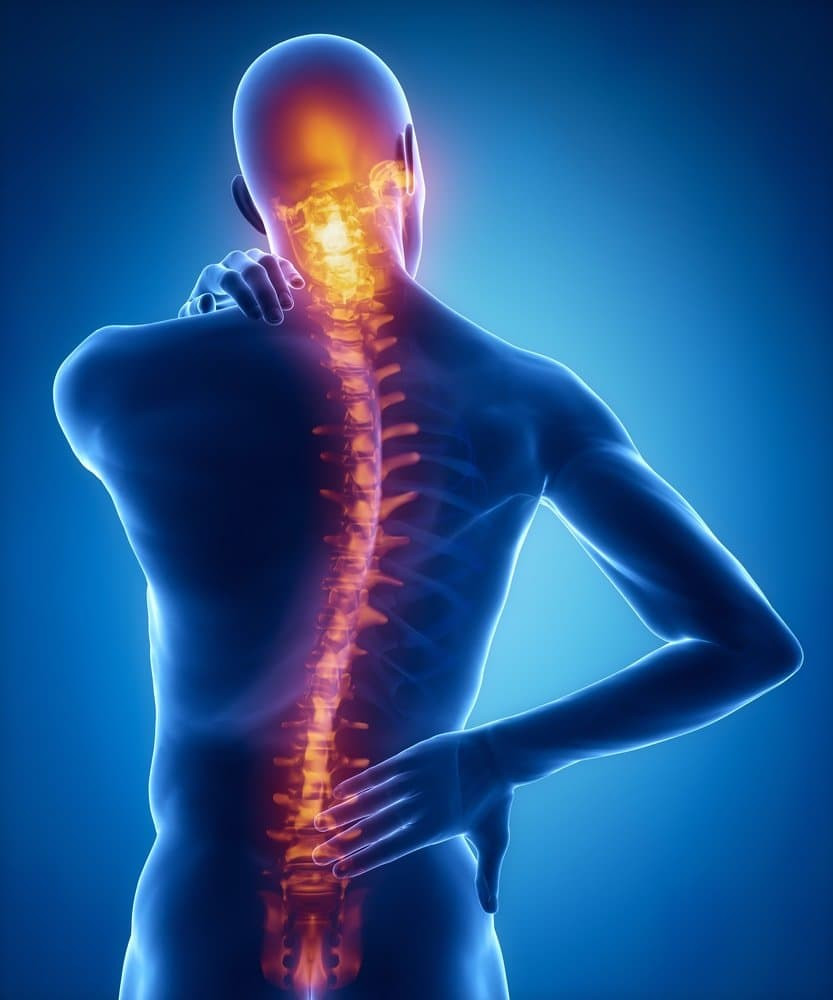
Lordosis, commonly referred to as swayback, is a spinal abnormality where the spine curves excessively. Unlike kyphosis, where the spine bends forward, or scoliosis, which creates an S-shaped curve, lordosis involves a sharp curve of the spine. This condition frequently affects the lumbar spine (located above the pelvis), known as lumbar lordosis, or the cervical spine, known as cervical lordosis.
Normally, the spine serves several important functions:
-
It provides support and stability for the head.
-
It connects the head to the pelvis.
-
It allows for rotation and flexible bending.
-
It offers protection from forces and pressure, especially in accidents.
-
It helps stabilize posture and body structure.
While the spine naturally has several curves, if the curvature becomes too steep, as seen in lordosis, it can interfere with the spine's basic functions. This increased pressure on the spine can lead to pain and discomfort. Without proper treatment, lordosis may result in reduced mobility and balance.
In adults, spinal deformities often lead to severe pain, disability, complications, and high treatment costs. Severe cases of lordosis can significantly affect the quality of life.
Causes
Lordosis can develop at any age, with the causes varying depending on age and other conditions. Some common causes include:
-
Discitis, a rare condition causing inflammation in the joint space between vertebrae.
-
Obesity or excessive weighte.
-
Kyphosis, scoliosis, or other spinal curvatures.
-
Osteoporosis that weakens the bones, making them more vulnerable to fractures.
-
Spondylolisthesis, a forward displacement of the spine, which can cause discomfort.
-
Injuries from intense physical activity.
In children, the most common causes of lordosis are:
-
Poor posture.
-
A history of spinal surgery.
-
Injury to the lower back or pelvis.
-
Congenital conditions, such as cerebral palsy or meningomyelocele (a birth defect where the spine does not close completely before birth).
-
Hereditary or genetic factors.
Pregnant women can also develop lordosis due to excessive weight gain and an increase in abdominal circumference over a short period of time. As the center of gravity shifts during pregnancy, the body’s posture and spinal shape can change. In many cases, lordosis resolves on its own after delivery when weight and abdominal size decrease.
Risk Factor
Several factors can increase the risk of developing lordosis, including:
-
Spondylolisthesis: A condition where one vertebra slips forward over another, causing misalignment of the spine.
-
Achondroplasia: A genetic disorder that leads to stunted growth and disproportionate limb development.
-
Osteoporosis: A condition characterized by reduced bone density, increasing the risk of fractures and spinal deformities.
-
Osteosarcoma: A form of malignant bone cancer that can affect spinal structures.
-
Obesity: Excess body fat in obese individuals increases pressure on the spine, making it more prone to deformities as it supports the body’s weight.
Symptoms
Symptoms of lordosis can vary from person to person. In some cases, individuals may not experience any symptoms, though the condition can still affect their appearance. Common signs and symptoms of lordosis include:
-
Visible changes in posture while standing or walking.
-
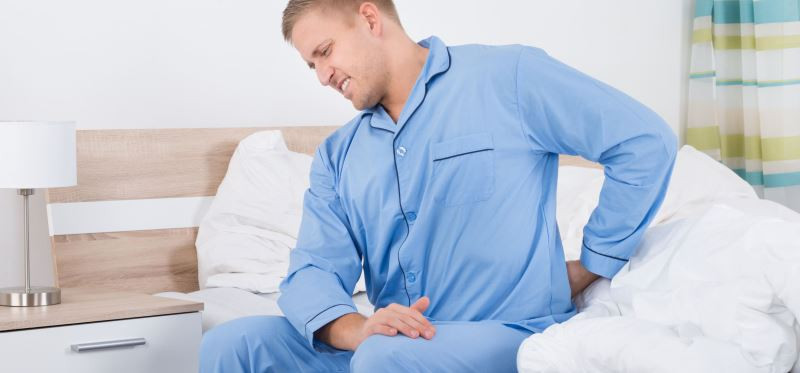
Back or neck pain.
-
Pain radiating to the legs and feet.
-
An exaggerated curve in the hip area.
-
Difficulty moving or performing certain tasks.
-
Difficulty lying flat on the floor.
-
Cramps or tingling sensations.
-
Stiffness in the back muscles.
In rare instances, patients may lose control over their bladder or bowels. If this happens, immediate medical attention is needed.
Diagnosis
Diagnosing lordosis involves a thorough interview, physical examination, and possibly additional tests conducted by a doctor.
Medical Interview
During the interview, your doctor will ask the following questions:
-
What is your primary concern or complaint?
-
Are there any other symptoms accompanying this issue?
-
When did the symptoms start?
-
Have the symptoms become more severe over time?
-
Do you have a history of any past medical conditions?
-
Are you currently taking any medications?
-
Is there a family history of similar issues?
Physical Examination
The doctor will perform a physical exam to assess your overall condition and check vital signs such as blood pressure, temperature, pulse, and respiration rate. A focused local examination of the spine will be conducted to assess the curvature, mobility, and any stiffness in the bones.
Diagnostic Tests
Once the physical examination is complete, your doctor may recommend additional tests to confirm the diagnosis. Potential supporting examinations include:
-
X-ray: Used to examine the angle and alignment of the spinal bones.
-
CT scan: Provides detailed imaging of bones, muscles, fat, and surrounding structures. However, this test may not be available at all medical facilities.
-
MRI: A more advanced imaging technique than a CT scan, offering detailed views of structures beyond the bones. Like CT scans, not all hospitals have MRI equipment.
-
Bone scan: Helps detect abnormalities in the bones, such as tumors or inflammation.
-
Blood tests: Although not the primary diagnostic tool for lordosis, blood tests may help identify other conditions that could coexist with lordosis.
Management
In most cases, lordosis does not require specialized treatment unless the condition is severe. The management approach will depend on the severity and symptoms of the condition.
-
Medications: Pain relievers may be prescribed to reduce pain and inflammation associated with lordosis.
-
Physical therapy: Medical rehabilitation aims to strengthen muscles and improve joint flexibility, which can help manage symptoms.
-
Diet and physical activities: Maintaining a healthy weight through a balanced diet and regular physical activity can contribute to better posture.
-
Braces or supports: Wearing braces or supports may help improve posture, particularly for children and adolescents dealing with lordosis.
-
Nutritional supplements: Vitamin D and calcium supplements can provide essential nutrients for maintaining a healthy spine.
-
Surgical treatment: In severe or complex cases, surgery performed by an orthopedic specialist may be necessary to correct the spinal curvature.
Complications
If left untreated, lordosis can lead to chronic pain and discomfort in the back, reduced mobility, and permanent spinal deformities. It is essential to address the condition promptly to avoid long-term consequences.
Prevention
While there are no specific methods to completely prevent lordosis, certain exercises and habits can help improve posture and promote spinal health:
-
Using a gym ball for pelvic exercises.
-
Practicing yoga to enhance flexibility.
-
Stretching the neck muscles.
-
Stretching the pelvic and hip joints.
For children with lordosis, a doctor may recommend using a back brace to prevent further curvature as they grow.
In the case of congenital lordosis, expectant mothers can support their child's health by maintaining proper nutrition during pregnancy. A balanced diet rich in fruits, vegetables, protein, and fiber, along with taking supplements like folic acid, can reduce the likelihood of congenital abnormalities. Staying hydrated and managing stress during pregnancy also play a key role in minimizing risks.
When to See a Doctor?
You should consult a doctor if you notice an excessive curvature in your spine or experience symptoms such as pain, numbness, tingling, or decreased mobility. It is also recommended to have regular spine check-ups if you have had lordosis since birth. An orthopedic specialist or surgeon will help determine the appropriate treatment plan for you.
Looking for more information about other diseases? Click here!
- dr Hanifa Rahma
Bari, TJ., Heegard, M., Bech-Azzeddine R., Dahl B., Gehrchen M., (2021). Lordosis Distribution Index in Short-Segment Lumbar Spine Fusion - Can Ideal Lordosis Reduce Revision Surgery and Iatrogenic Deformity. Retrieved 16 August 2022, from https://www.ncbi.nlm.nih.gov/pmc/articles/PMC8497240/
MedicalNewsToday - What is lordosis, what causes it? (2022). Retrieved 16 August 2022, from https://www.medicalnewstoday.com/articles/lordosis
WebMD - Types of Spine Curvature Disorders. (2021). Retrieved 16 August 2022, from https://www.webmd.com/back-pain/guide/types-of-spine-curvature-disorders
Disc - Understanding the Parts of Your Spine. (2021). Retrieved 29 August 2022, from https://www.sciatica.com/from-the-doc/understanding-the-parts-of-your-spine/