Definition
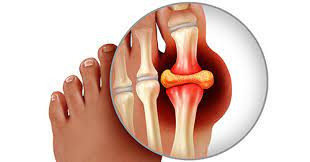
Gout arthritis is a type of arthritis characterized by inflammation in the joints, caused by the accumulation of uric acid crystals. The condition most commonly affects the joint in the big toe but can also impact other joints in the body. It is a painful condition that results from the body’s inability to properly manage uric acid levels.
Causes
Gout arthritis is caused by hyperuricemia, which refers to high levels of uric acid in the blood. Uric acid is a waste product that is created when the body breaks down purines, which are found in certain foods and also naturally in the body. Foods like red meat, tuna, and sardines are high in purines.
However, having elevated uric acid levels doesn’t always result in gout arthritis. Many people with high uric acid levels do not develop the condition. Uric acid is typically filtered by the kidneys and excreted in urine. But when uric acid levels exceed the kidneys' ability to process it, monosodium urate crystals form. These sharp crystals accumulate in joints, causing intense pain, swelling, and inflammation, which is characteristic of gout.
Risk Factor
Certain factors can increase the risk of developing gout arthritis, including:
- Male gender
- Obesity
-
Several conditions can increase uric acid levels, including:
-
Congestive heart failure
-
Hypertension (high blood pressure)
-
Insulin resistance and diabetes
-
Metabolic disorders
-
Decreased kidney function
-
- Certain medications, such as diuretics and some antihypertensive drugs, can increase the risk of gout.
- Drinking alcohol increases the risk of gout, particularly the more alcohol consumed.
- Foods and beverages high in fructose (a type of sugar) can elevate uric acid levels.
- Consuming foods rich in purines, like red meats, organ meats, and specific seafood (e.g., anchovies, sardines, clams, scallops, trout, and tuna), can trigger or worsen gout.
Symptoms
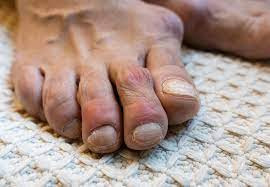
Gout arthritis typically affects a single joint, with the big toe being the most commonly involved. However, it can also affect other joints, such as those in the toes, ankles, knees, and sometimes even the elbows or wrists. When a joint becomes inflamed due to gout, it may appear warm, red, swollen, and painful. As the disease progresses, the affected joint may become difficult to move, and you may experience a limited range of motion.
Additionally, urate crystal lumps also known as tophi, can form in areas such as the ear, elbow, or other soft tissues around the affected joints.
Gout symptoms often worsen in episodes known as flares. These flares can last from a few days to several weeks. After the flare resolves, there may be a period of time when the symptoms decrease or completely disappear, lasting anywhere from weeks to even years before another flare returns.
Diagnosis
To diagnose gout arthritis, your doctor will start by asking about your symptoms, medical history, and any lifestyle factors that may contribute to the condition. A physical examination will be conducted to assess the affected joints and look for signs of inflammation or other indicators of gout.
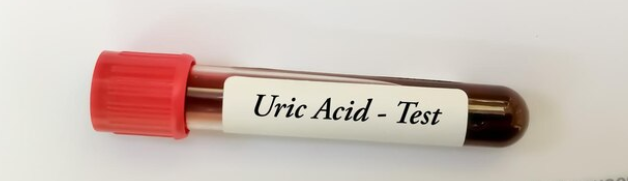
In addition to the physical exam, your doctor may order further tests, such as X-rays or laboratory tests, to confirm the diagnosis. Laboratory tests may show elevated uric acid levels and the presence of urate crystals in the joint fluid, which are hallmarks of gout.
Management
Treatments
While gout arthritis cannot be completely cured, treatment focuses on managing the symptoms and preventing future attacks. Your doctor may prescribe medications such as painkillers or anti-inflammatory drugs to help manage flare-ups. Medications to lower uric acid levels, such as uric acid-lowering drugs, may also be prescribed to prevent the formation of urate crystals and the development of further complications.
Healthy Lifestyle
In addition to medication, adopting a healthy lifestyle can play a significant role in managing gout. These self-management strategies can help reduce pain and prevent disability, enabling you to maintain your daily activities. These strategies include:
- Nutritious Diet
Avoid foods high in purines, such as red meat, organ meats, and seafood, as they can trigger gout flare-ups. Also, limit alcohol intake, particularly beer and hard liquor, which can exacerbate symptoms.
- Stay Physically Active
Engaging in regular physical activity is crucial. Experts recommend at least 150 minutes of moderate physical activity per week. Activities like walking, swimming, and cycling are low-impact and gentler on the joints. Regular exercise also helps lower the risk of other conditions like heart disease, stroke, and diabetes.
- Consult a Doctor Regularly
Active participation in your treatment plan is essential. Regular visits to your healthcare provider ensure that your gout is properly managed and that you follow the prescribed medication regimen, especially if you have other medical conditions such as diabetes or heart disease.
- Weight Loss
For individuals who are overweight or obese, weight loss is highly recommended. Reducing excess weight reduces the stress on weight-bearing joints like the hips and knees, improving joint function, relieving pain, and slowing the progression of arthritis.
- Protect Your Joints
Joint injuries can worsen gout symptoms or lead to further inflammation. Wearing protective gear during exercise, such as knee pads or wrist guards, can reduce the risk of injury. Additionally, choosing low-impact activities can help minimize stress on the joints.
Complications
If left untreated, gout can lead to several complications, including:
- Gout Flare-ups
While some individuals may not experience flare-ups, many people suffer from recurrent gout attacks. Regular medications can help prevent these flare-ups and manage symptoms.
- Advanced Gout
If gout remains untreated over time, urate crystals can accumulate under the skin, forming tophi. These lumps typically appear in areas like the fingers, hands, feet, elbows, or Achilles tendon (heel). While tophi are usually painless, they can become swollen and painful during gout attacks.
- Kidney Stones
The buildup of urate crystals can also occur in the urinary tract, leading to the formation of kidney stones. Medications can help reduce the risk of developing kidney stones in people with gout.
Prevention
Adopting a healthy lifestyle can help reduce the risk of developing gout:
- Drink plenty of water to support kidney function and prevent dehydration
- Reduce alcohol consumption and avoid foods that can increase uric acid levels in the body. Limit your intake of red meat, organ meats (e.g., liver), shellfish, foods and drinks high in fructose (fruit sugar), and animal protein.
- Regular physical activity helps maintain a healthy body weight. Being overweight increases uric acid levels and places extra pressure on the joints, both of which contribute to gout.
When to See a Doctor?
You should consult a doctor if you experience sudden, intense joint pain that persists over time. Pay attention to your risk factors, such as diet, physical activity level, and any existing medical conditions. If left untreated, gout can lead to worsening pain and potential joint damage.
Looking for more information about other diseases? Click here!
- dr Hanifa Rahma
Gout. (2020). Retrieved 12 August 2022, from https://www.cdc.gov/arthritis/basics/gout.html.
Gout - Symptoms and causes. (2021). Retrieved 12 August 2022, from https://www.mayoclinic.org/diseases-conditions/gout/symptoms-causes/syc-20372897.
Gout: Causes, Symptoms, Treatment & Prevention. (2020). Retrieved 12 August 2022, from https://my.clevelandclinic.org/health/diseases/4755-gout#prevention.