
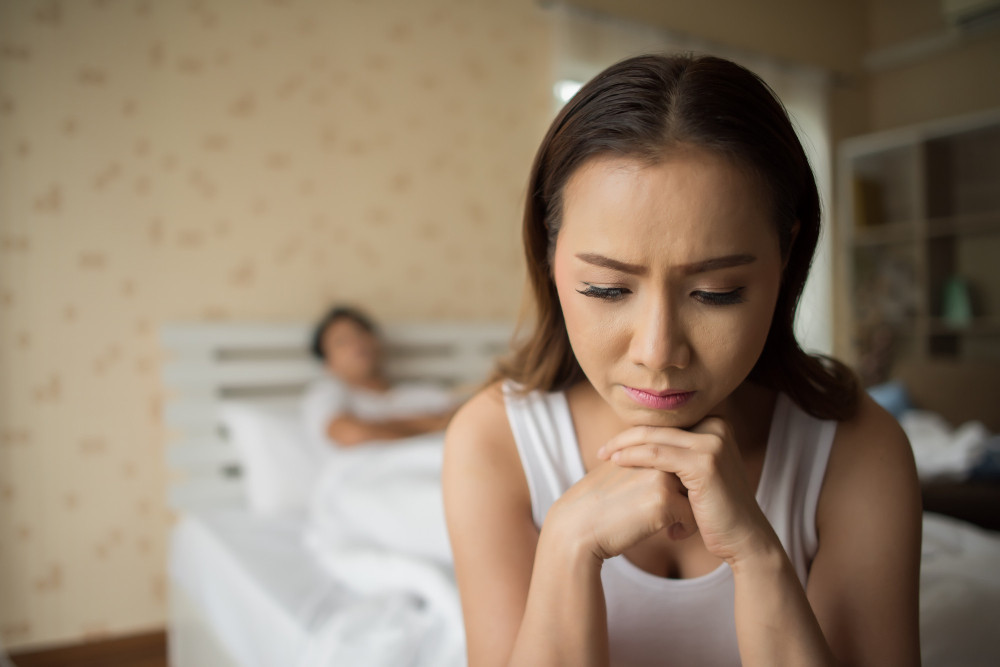
No one enters a relationship expecting infidelity. Unfortunately, it can happen to anyone, regardless of the time spent together, whether it's a few months or several years. Discovering that your partner has cheated doesn't just bring heartache but can severely affect your mental health as well.
Much like any major life challenge, infidelity can significantly alter your life, especially for the victim. According to Psych Central, the effects of infidelity can lead to several changes, including various mental health issues.
1. Vulnerability to Post-Traumatic Infidelity Disorder
Betrayal can be traumatic, often triggering memories of past pain. When painful memories resurface and overwhelm you, it can be a sign of Post-Traumatic Stress Disorder (PTSD). Common symptoms of trauma caused by infidelity include trouble sleeping, recurring nightmares, and difficulty thinking clearly.
2. Loss of Self-Confidence and Self-Blame
Infidelity can occur for various reasons, such as commitment issues, boredom, heightened sexual desire, feeling unloved, and more. These circumstances can cause victims to blame themselves, thinking that the infidelity happened due to their own flaws or mistakes.
Victims of infidelity often find themselves plagued by negative thoughts and self-doubt, like "Is this my fault?", "If only I were more attractive...", and similar feelings. However, infidelity is not caused by the victim's shortcomings, but rather by the unfaithfulness of the partner.
3. Difficulty Trusting Others
Every relationship is built on trust. The trauma of infidelity can cause victims to lose trust not only in the partner who cheated but also in others around them.
As a result, victims may find it hard to trust anyone else, with the fear of betrayal lingering in their minds. This often leads them to avoid trusting others altogether.
4. Anxiety Disorders
Anxiety disorders are common mental health challenges for those who have experienced infidelity. Victims may feel constant anxiety, stress, fear, and discomfort, especially when alone. Mild anxiety can sometimes be managed through relaxation techniques, but if it persists, seeking help from a psychologist or psychiatrist is advisable.
5. Depression
Research has shown that infidelity can be a humiliating experience that may lead to depression. Feelings of shame, low self-worth, and guilt can contribute to depression. Victims may experience other symptoms of depression, such as prolonged sadness, insomnia, lack of appetite, and reduced work performance.
6. Risky Behaviors as a Coping Mechanism
For some individuals, coping with infidelity can be so overwhelming that it leads them to engage in dangerous behaviors, such as using illicit drugs or attempting suicide. These actions serve as emotional outlets or an escape from the pain caused by the betrayal.
Feelings of anger, disappointment, loss of trust, and betrayal are natural when discovering a partner's infidelity. However, it is important to understand that infidelity can harm both your mental and physical health. Sharing your feelings with close friends or family and seeking guidance from a psychologist or psychiatrist can help you manage the stress and negative emotions. Remember, infidelity is never your fault.
Looking for more information about health tips and tricks, first aid, and other home remedies? Click here!
- dr Hanifa Rahma
Moore, M (2021). Long-Term Psychological Effects Infidelity. Available from: https://psychcentral.com/health/long-term-psychological-effects-of-infidelity
Smith, S. (2020). The Devastating Psychological Effects of a Cheating Spouse. Available from: https://www.marriage.com/advice/infidelity/psychological-effects-of-a-cheating-spouse/
Gunther, R (2017). How Infidelity Causes Post Traumatic Stress Disorder. Available from: https://www.psychologytoday.com/us/blog/rediscovering-love/201709/how-infidelity-causes-post-traumatic-stress-disorder
Moss, R (2017). How Being Cheated On Affects Your Mental HEalth and Behaviour. Available from: https://www.huffingtonpost.co.uk/entry/how-being-cheated-on-affects-your-mental-health-and-behaviour_uk_5937b2f1e4b0aba888b9e6af