Petroleum jelly has been known for hundreds of years as a product that can care for the skin. According to dermatologists (skin doctors), petroleum jelly has five main benefits for the skin. What are they?
What is Petroleum Jelly?
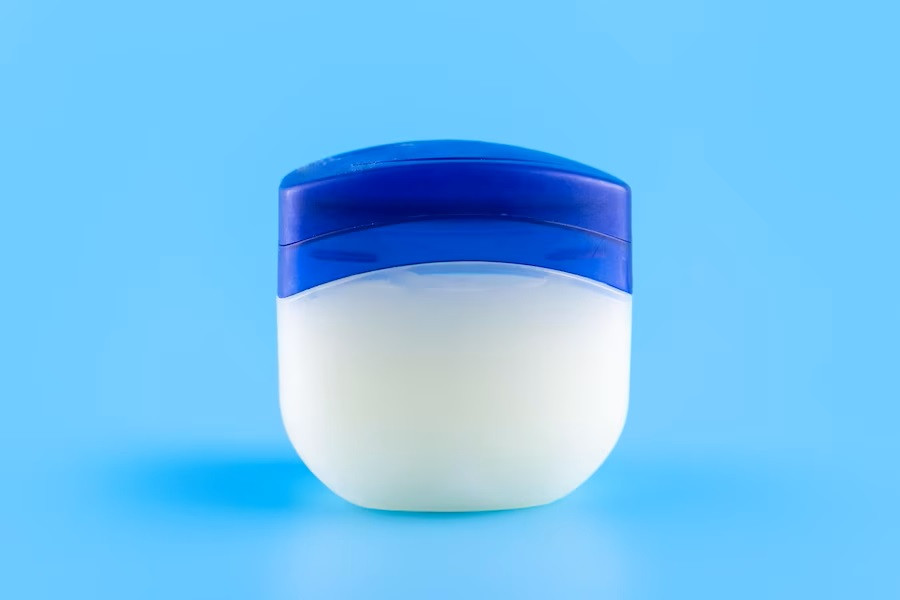
Petroleum jelly, also known as Vaseline, is a product made from petroleum, a thick, waxy substance derived from natural oil. This product can help seal the skin by acting as a protective barrier against water.
Petroleum jelly is essentially a mixture of mineral oil (a type of oil derived from natural sources) and wax, which together form a semi-solid substance that resembles jelly. It was first discovered in 1859 by Robert Augustus Chesebrough.
Initially, this sticky jelly was used to heal burns and protect wounds from water. Gradually, this product continued to be developed for other skin care functions.
Benefits of Petroleum Jelly According to Dermatologists
According to the American Academy of Dermatology Association, here are five main benefits of petroleum jelly:
Helps Treat Dry Skin
Petroleum jelly can be used to treat dry skin, including on the lips and eyelids. Peeling dry skin can cause cracking, itching, and bleeding.
To help maintain and protect dry, cracked skin, you can apply petroleum jelly after every bath.
Helps Heal Injured Skin
As its original use suggests, petroleum jelly can be applied to minor injuries such as cuts, scrapes, and scratches. It can keep wounds moist, preventing them from drying out and scabbing.
Applying petroleum jelly to wounds also prevents scars from becoming too large, deep, or itchy. The first step is to wash the wound with mild soap and water to kill germs. The next step is to apply petroleum jelly to the wound.
For larger wounds, you may need to use a bandage. Change the bandage regularly every day until the wound heals.
Prevents Chafing
Chafing is a painful skin irritation that can occur when the skin rubs against itself or against clothing or shoes. To prevent chafing that could develop into blisters, apply petroleum jelly to problem areas.
Treats Diaper Rash
One of the best treatments for diaper rash in babies is to keep the baby's skin dry and clean and apply petroleum jelly with each diaper change. With proper care, diaper rash should clear up within 3-4 days.
However, if the diaper rash doesn't go away or gets worse, it's best to take the baby to the doctor for examination and treatment.
Rehydrates Nails
Nails are often overlooked. They can also become dry, leading to brittle and easily broken nails. To maintain moisture in your nails, you can apply petroleum jelly to the nails and cuticles. For the best results, apply it after bathing when the nails are moist.
Although petroleum jelly has many benefits, dermatologists recommend avoiding applying it to acne-prone skin. Discuss with your dermatologist the best way to treat acne, especially stubborn acne.
If you need medical advice or consultation, you can either visit a doctor or make use of the consultation features that are available in the Ai Care application by downloading the Ai Care application from the App Store or Play Store.
Looking for more tips and tricks for health, first aid, and other home remedies? Click here!
- dr. Pandu Lesmana
American Academy of Dermatology Association. 5 Ways to Use Petroleum Jelly for Skin Care. Available from: https://www.aad.org/public/everyday-care/skin-care-secrets/routine/petroleum-jelly
Daniela Ginta (2019). Everything You Need to Know About Petroleum Jelly. Available from: https://www.healthline.com/health/beauty-skin-care/petroleum-jelly
Erica Cirino (2019). Is Vaseline a Good Moisturizer?. Available from: https://www.healthline.com/health/beauty-skin-care/vaseline-for-moisturizer
American Academy of Dermatology Association. Proper Wound Care: How to Minimize a Scar. Available from: https://www.aad.org/public/everyday-care/injured-skin/burns/wound-care-minimize-scars
Mayo Clinic (2022). Diaper rash. Available from: https://www.mayoclinic.org/diseases-conditions/diaper-rash/diagnosis-treatment/drc-20371641