Definition
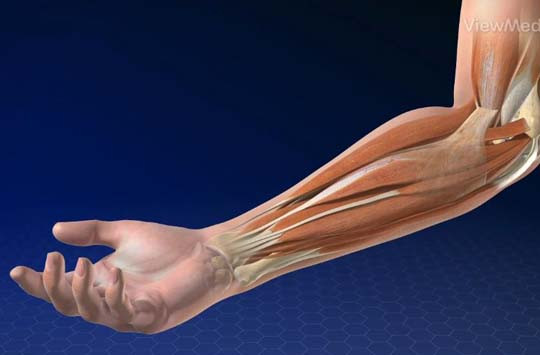
Golfer's and Baseball Elbow, also known as medial epicondylitis, is a condition where the tendon in the inner elbow becomes inflamed. This tendon, which connects the forearm muscles to the epicondyle (the bone inside the elbow), is responsible for helping to bend the wrist towards the palm.
Tendons are strong, cord-like tissues that link muscles to bones. When these tendons become irritated or injured, they can swell and cause pain. Despite the name, golfer's and baseball elbow isn't exclusive to golfers or baseball players; it can affect anyone who frequently uses their arms or wrists, including tennis players.
Causes
Medial epicondylitis is caused by repetitive stress and excessive force applied to the tendon when bending the wrist towards the palm. Golfers may develop this condition from repeatedly swinging a golf club, while tennis players can experience it from constant arm movement while hitting a tennis racket. Both activities overuse the arm and wrist tendons, leading to pain, stiffness, and weakness.
Other activities that can contribute to epicondylitis include:
-
Serving with excessive force in tennis or using a spin serve
-
Weak shoulder and wrist muscles
-
Using improper tennis equipment, like a racket that is too tight, short, or heavy
-
Javelin throwing
-
Rowing
-
Weight lifting
-
Carrying heavy items like suitcases
-
Chopping wood with an axe
-
Operating a chain saw
-
Continuous use of hand tools
-
Playing a musical instrument
-
Typing on a computer
-
Professions that involve repetitive arm movements, such as painters, plumbers, construction workers, cooks, and butchers
Risk Factor
Medial epicondylitis, or golfer's elbow, is commonly caused by repetitive motion, making it a frequent condition among athletes. However, certain groups are at a higher risk, including:
- Individuals over the age of 40
- Those who perform repetitive activities for two or more hours each day
- People who are obese
- Smokers
Symptoms
Medial epicondylitis can develop either suddenly or gradually over time, and symptoms can range from mild to severe. The most common symptom is pain along the palmar surface of the forearm, extending from the elbow to the wrist on the side of the little finger. Pain may occur when bending the wrist towards the palm against resistance or when squeezing an object like a rubber ball. Other symptoms include:
-
Elbow stiffness
-
Weakness in the wrist and hand
-
Tingling or numbness, particularly in the ring and little fingers
-
Difficulty moving the elbow
These symptoms can interfere with everyday tasks such as lifting objects, opening doors, or shaking hands. Medial epicondylitis typically affects the dominant hand.
Diagnosis
If you experience symptoms of medial epicondylitis, your doctor will begin by asking detailed questions about your pain, medical history, and any prior injuries. They will also inquire about your daily activities, including your work, hobbies, and recreational pursuits.
The doctor will then perform a physical examination. They may place your arm on a table, palm-up, and ask you to bend your wrist upward against resistance. The doctor may also apply pressure to your elbow, wrist, and fingers to check for stiffness or discomfort. Individuals with medial epicondylitis often experience pain in the elbow during these tests.
To confirm the diagnosis and rule out other possible causes of pain, such as fractures or arthritis, your doctor may order an X-ray of the inner elbow, arm, or wrist.
Management
Treatment for medial epicondylitis primarily involves resting the affected arm to allow the tendon to heal. Repetitive movements of the arm can slow healing and worsen symptoms, so it's crucial to stop any activities involving repetitive motion until the pain subsides. Once pain decreases, it's important to slowly resume activities to avoid re-injury.
For most people, pain, stiffness, and weakness from medial epicondylitis improve with home treatments, including:
-
Cold Compresses: Applying a cold compress can help reduce inflammation, pain, and swelling. Wrap ice in a towel and apply it to the elbow for up to 20 minutes, 3 to 4 times per day.
-
Strengthening and Stretching Exercises: Ask your doctor about safe exercises that can strengthen and stretch your tendons. If you're experiencing weakness or numbness, occupational therapy may be recommended.
-
Pain Relievers: Over-the-counter medications like ibuprofen and acetaminophen can help reduce pain and inflammation. Always follow the dosage instructions on the packaging.
-
Bracing: A brace can help reduce tendon inflammation and prevent muscle tears. An alternative option is using an elastic bandage to wrap the elbow.
-
Corticosteroid Injections: If the pain is severe, your doctor may recommend steroid injections to help reduce inflammation.
-
Surgical procedures
In most cases, symptoms improve with home care and over-the-counter medications. However, if the condition persists, surgery may be necessary. This procedure, called an open medial epicondylar release, involves making an incision in the forearm, cutting the tendon, removing damaged tissue, and then reattaching the tendon.
Complications
In most cases, medial epicondylitis does not lead to serious complications other than a loss of function in the affected arm. However, if left untreated, the condition can result in permanent damage, including:
-
Limited range of motion in the elbow
-
Persistent pain that doesn’t improve over time
-
Weakened grip strength, making it difficult to hold or lift objects
In more severe cases, tendon damage may be so extensive that surgery is required to repair the tendon and restore normal function.
Prevention
While anyone can develop medial epicondylitis, there are several ways to reduce the risk and prevent the condition from occurring:
-
Stretching Before Physical Activity: Before engaging in any physical exercise, it’s important to warm up by stretching gently to reduce the risk of injury. Activities such as walking or light jogging can help prepare the muscles for more intense activity.
-
Practice Proper Technique: Using proper posture, technique, and movement during activities, particularly in sports, can help minimize stress on the elbow and wrist. Working with a coach or sports trainer to learn the correct form can significantly reduce the likelihood of injury.
-
Rest Your Arm: If you experience pain while engaging in certain activities or sports, it’s important to stop and rest the affected arm. Continuing to push through the pain can worsen the condition.
-
Strengthen Your Arm: Building arm strength can help prevent medial epicondylitis. Exercises such as lifting light weights or squeezing a tennis ball can strengthen the muscles around the elbow, improving its stability and reducing strain on the tendons.
When to See a Doctor?
If you experience elbow pain that does not improve with rest, ice, and over-the-counter pain relievers, you should consult a doctor for further evaluation and treatment.
Seek immediate medical attention if:
-
Your elbow is hot and inflamed, and you have a fever.
-
You cannot bend your elbow.
-
Your elbow appears deformed.
-
You suspect you have a fracture.
Looking for more information about other diseases? Click here!
- dr Hanifa Rahma
Medial Epicondylitis (Golfer's and Baseball Elbow). (2022). Retrieved 12 September 2022, from https://www.hopkinsmedicine.org/health/conditions-and-diseases/medial-epicondylitis-golfers-and-baseball-elbow
Medial Epicondylitis: Symptoms, Tests, Treatments, Surgery, and More. (2022). Retrieved 12 September 2022, from https://www.healthline.com/health/medial-epicondylitis
Golfer's elbow - Symptoms and causes. (2022). Retrieved 12 September 2022, from https://www.mayoclinic.org/diseases-conditions/golfers-elbow/symptoms-causes/syc-20372868
Golfer’s Elbow (Medial Epicondylitis): What Is It, Diagnosis & Treatment. (2022). Retrieved 12 September 2022, from https://my.clevelandclinic.org/health/diseases/21711-golfers-elbow-medial-epicondylitis#outlook--prognosis