
Definition
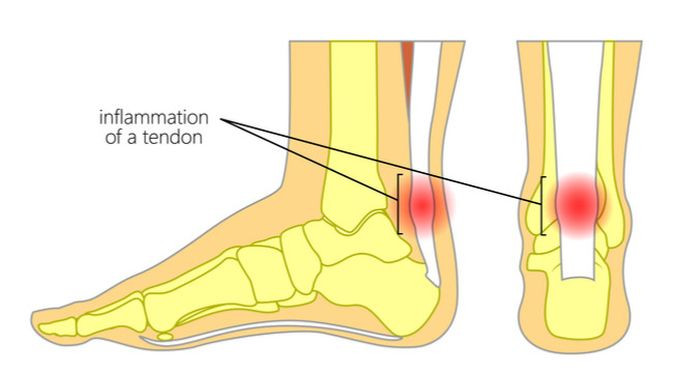
Tendinitis is the inflammation of tendons, which are the connective tissues that link muscles to bones. Tendons are strong yet flexible structures capable of stretching and absorbing tension. Muscles and tendons work together to facilitate movement of joints and limbs. However, excessive activity or repetitive strain can injure tendons.
Tendinitis can occur in any tendon and may last for a short or extended period. It often causes pain in the affected area and is most commonly found around the shoulders, wrists, elbows, base of the fingers, knees, and the back of the ankle.
Most cases of tendinitis can be managed with rest, physical therapy, and pain-relief medication. If inflammation persists over time, it can lead to tendon tears.
Causes
Tendinitis may result from sudden serious injury, though it is more commonly caused by repetitive stress on a tendon. Many people develop tendinitis from jobs or hobbies that involve repetitive movements. Common causes include:
- Performing the same motion repeatedly, such as cutting or typing for long periods
- Poor posture or incorrect body movements
- Over-exercising
- Wearing poorly fitting or inappropriate shoes for physical activities
Though these actions may seem harmless at first, repetition can increase the stress on tendons, eventually causing injury.
Risk Factor
Several factors can raise the risk of developing tendinitis, including:
- Tendinitis is more common in occupations such as carpentry, painting, gardening, and labor because of:
- Frequent repetitive motions
- Poor body posture or positioning
- Use of vibrating tools or working in vibrating environments
- When exercising, the following things can increase the risk of developing tendonitis:
- Sudden increase in workout intensity
- Using poor-quality equipment, such as worn-out shoes
- Exercising on hard surfaces like concrete or gym floors
- Insufficient recovery time after injuries
- Engaging in activities such as running, golf, baseball, or tennis
- Medical conditions that weaken muscles, such as:
- Rheumatoid arthritis (chronic inflammation of joints linked to the immune system).
- Gout or pseudogout (joint inflammation due to crystal buildup).
- Diabetes and kidney diseases.
- Certain medications can also increase the risk of tendinitis, including:
- Fluoroquinolone antibiotics such as ciprofloxacin
- Corticosteroids such as cortisone
- Statins, which are used to lower cholesterol
- As people age, particularly after the age of 40, tendons lose flexibility, making them more prone to injury
Symptoms
Symptoms of tendinitis typically appear where the tendon attaches to the bone and may include:
- Pain in the tendon and surrounding area
- Discomfort when moving the affected joint or limb
- Mild swelling
- General discomfort or stiffness
Diagnosis
A doctor will start by asking detailed questions about your symptoms, daily activities, and occupation. A physical exam will follow to check for tenderness or swelling in the affected area.
If symptoms do not improve with treatment or other underlying conditions are suspected, diagnostic tests such as X-rays, ultrasound, or MRI may be recommended to rule out other potential causes of the symptoms.
Management
The goal of tendinitis treatment is to relieve pain and reduce inflammation. Home care is often sufficient to manage symptoms, but complete recovery may take several months.
Because tendinitis is often caused by repetitive movements, rest is crucial. Resting the affected area can help reduce inflammation. Avoid activities that increase pain or swelling, and refrain from working or exercising through the pain. Continue other physical activities that don’t strain the injured tendon.
While rest is important, prolonged immobility can lead to stiffness. After a few days of rest, gradually move the affected area through its full range of motion to maintain flexibility.
To reduce pain, muscle cramps, and swelling, apply cold compresses to the affected area. Cold compresses are most effective within the first 48 hours of injury. Apply for 10–15 minutes several times a day. Wrap ice in a cloth to avoid direct contact with the skin. After a few days, you may switch to warm compresses.
Your doctor may prescribe pain relievers to help manage discomfort. If symptoms are severe, corticosteroid injections may be used to reduce inflammation and pain. Physical therapy exercises can also help strengthen the muscles and tendons. If tendinitis does not heal with conservative treatment, surgery may be considered.
Complications
If left untreated, the inflammation can worsen, causing the tendon to tear. Complete tendon tears may require surgery to repair. Tendon tears can lead to further complications, including reduced tendon function, adhesions to surrounding tissues, or scar tissue formation.
Prevention
To reduce the risk of developing tendinitis, consider the following tips:
- Warm up before physical activities or exercise. Avoid repetitive movements for long periods. Take breaks if you begin to feel discomfort, and always cool down afterward.
- Vary your exercise routine to avoid overstraining a specific tendon.
- Correct posture and technique in activities or sports. Consider seeking professional training when starting a new exercise.
- Use appropriate equipment and clothing, ensuring that it fits well and supports your activities.
When to See a Doctor?
Most cases of tendinitis can be treated at home, but recovery may take several weeks to months, depending on the severity. See a doctor if:
- Symptoms do not improve after a few days or interfere with daily activities
- You experience fever, swelling, or redness in the affected area
- You cannot move the affected limb or joint
Looking for more information about other diseases? Click here!
- dr. Alvidiani Agustina Damanik
Tendinitis (2022) Mayo Clinic. Mayo Foundation for Medical Education and Research. Available at: https://www.mayoclinic.org/diseases-conditions/tendinitis/diagnosis-treatment/drc-20378248 (Accessed: December 1, 2022).
Tendinitis: Symptoms, causes, tests and treatment (2020) Cleveland Clinic. Available at: https://my.clevelandclinic.org/health/diseases/10919-tendinitis (Accessed: December 1, 2022).
Tendinitis: Types, symptoms, causes, and treatment (2021) Medical News Today. MediLexicon International. Available at: https://www.medicalnewstoday.com/articles/175596 (Accessed: December 1, 2022).

/62c7b14af1315.jpg)