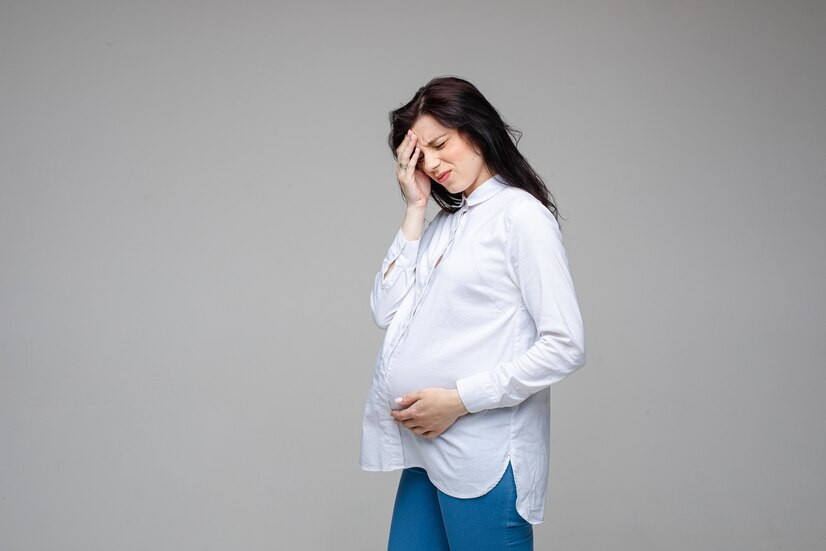

During pregnancy, a mother’s health has a major influence on how the fetus grows and develops. Nutrients consumed by the mother are shared with the baby through the placenta. In a similar way, when a pregnant woman receives a vaccine, the protection extends to both the mother and the unborn child.
The Importance of Immunization for Pregnant Women
Immunizations given before and during pregnancy are essential for safeguarding the health of the expectant mother and her baby. After vaccination, the mother’s immune system forms antibodies against specific illnesses. This protection is also passed to the baby and helps until the child is old enough to receive vaccines.
Ideally, vaccines are administered before conception. Even so, several types can still be given during pregnancy. Vaccines considered safe for pregnant women are those made with inactivated components. In contrast, vaccines containing live, weakened viruses or bacteria may carry risks for fetal development.
Types of Immunizations Safe for Pregnant Women
Not every vaccine is suitable in pregnancy. The following vaccines may be given to pregnant women:
1. Tetanus toxoid (TT vaccine)
The tetanus toxoid vaccine helps protect pregnant women from infection with Clostridium tetani, the bacterium that causes tetanus infection. In pregnancy, tetanus can occur if nonsterile instruments are used during childbirth, including when the umbilical cord is cut.
If a newborn is exposed to tetanus through an unclean umbilical stump, the baby can develop serious neurological problems that may be life-threatening.
2. Influenza vaccine
Influenza is common in Indonesia and often underestimated, yet infection during pregnancy can raise the risk of preterm delivery, low birth weight, and in rare instances even death.
An influenza shot can be given once a year and is recommended for ongoing protection each flu season. When a pregnant woman is vaccinated, some protection is also passed to the baby, helping guard the infant during the first six months of life.
3. Tdap vaccine (diphtheria, tetanus, and pertussis)
The Tdap vaccine protects against diphtheria, tetanus, and acellular pertussis. It serves a similar purpose as the DTP vaccine but uses a different antigen formulation designed to target pertussis effectively.
According to Immunize, Tdap is recommended for pregnant women in the early third trimester to optimize antibody transfer to the baby. This timing helps protect newborns from whooping cough during the first months after birth, when they are particularly vulnerable.
4. Pneumococcal vaccine
The pneumococcal vaccine helps guard against severe infections caused by Streptococcus pneumoniae, which can lead to pneumonia, bloodstream infection, and meningitis.
The NHS notes that pneumococcal vaccination is considered safe for women who are pregnant or breastfeeding. However, unless a doctor specifically advises vaccination during pregnancy because of particular risks.
5. Meningococcal vaccine
The meningococcal vaccine is used to prevent meningitis, a potentially serious infection of the membranes surrounding the brain and spinal cord. In pregnancy, complications from meningitis may increase the chances of premature birth, miscarriage, and serious infection in the newborn.
6. Hepatitis A and B vaccines
Your doctor may recommend vaccination against hepatitis A and hepatitis B during pregnancy if you are considered at high risk based on your exposure or medical background. Hepatitis is a significant liver infection that can damage liver tissue and raise the risk of liver cancer. In pregnant women, infection with hepatitis viruses can also be passed to the fetus.
7. Covid-19 vaccine
Pregnant women have a higher chance of severe illness if they contract Covid-19, which is why vaccination during pregnancy is advised. Vaccination can also provide passive protection for the fetus for at least up to 6 months after birth. Pregnant women who have not yet been vaccinated are encouraged to complete Covid-19 vaccination. Vaccines that are approved for use in pregnancy include Sinovac, Moderna, and Pfizer.
Vaccination during pregnancy does more than protect the mother from serious diseases; it also helps build early immunity for the baby. Before receiving any vaccine, discuss with your doctor which vaccines are safe for you during pregnancy and confirm the best timing for each dose based on your health status.
Looking for more information about pregnancy, breastfeeding, women's and children's health? Click here!
- dr Hanifa Rahma
March of Dimes. Vaccinations and Pregnancy. Available from: https://www.marchofdimes.org/pregnancy/vaccinations-and-pregnancy.aspx
Immunize. Vaccinations Needed During Pregnancy. Available from: https://www.immunize.org/catg.d/p4040.pdf
NHS. Vaccinations in Pregnancy. Available from: https://www.nhs.uk/pregnancy/keeping-well/vaccinations/
Mother to Baby. Tetanus, Diphtheria and Pertussis (Tdap) Vaccine. Available from: https://mothertobaby.org/fact-sheets/tetanus-diphtheria-pertussis-tdap-vaccine-pregnancy/
Mother to Baby. Meningococcal Disease (Bacterial Meningitis) Vaccine. Available from: https://mothertobaby.org/fact-sheets/meningococcal-disease-bacterial-meningitis-vaccine-pregnancy/
CDC. Vaccines During and After Pregnancy. Available from: https://www.cdc.gov/vaccines/pregnancy/vacc-during-after.html
NHS. Pneumococcal vaccine overview. Available from: https://www.nhs.uk/conditions/vaccinations/pneumococcal-vaccination/#