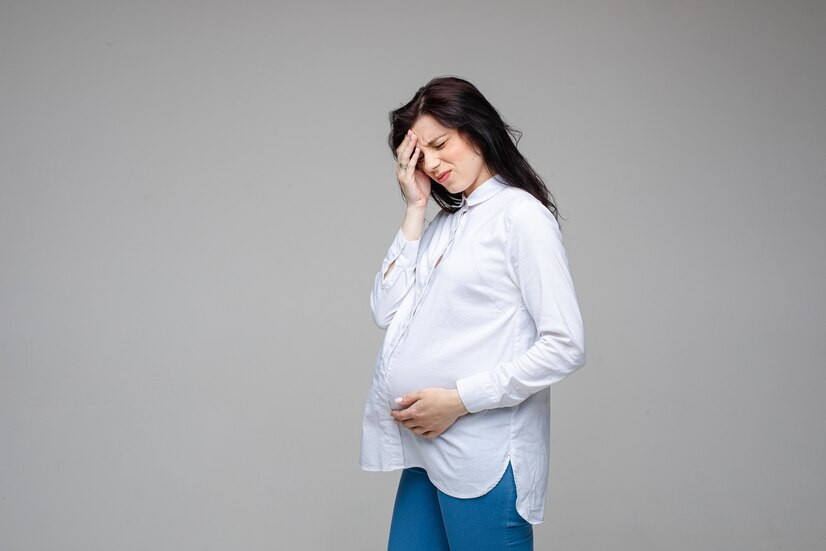

People who smoke face a higher chance of health problems and are more vulnerable to certain diseases than those who do not smoke. For women, smoking not only harms general health but also affects the reproductive organs, raises cancer risk, and disrupts pregnancy.
Smoking while pregnant harms both the mother and the developing baby. When a fetus is exposed to nicotine and other chemicals during pregnancy, growth can be affected both in the womb and after birth. Smoking also raises the risk of miscarriage and additional pregnancy complications.
Health Risks of Smoking During Pregnancy
Cigarettes contain harmful chemicals such as nicotine, carbon monoxide, hydrogen cyanide, formaldehyde, arsenic, ammonia, benzene, TSNAs, PAHs, and many more. The following are key risks when these substances enter a pregnant woman’s body.
Risks of miscarriage and stillbirth
According to the CDC, mothers who smoke during pregnancy have a higher risk of miscarriage and stillbirth. Cigarette smoke carries toxins that can injure the fetus and interfere with development.
Smoking also raises the likelihood of health issues for both mother and baby, including breathing problems and impaired fetal brain growth. Placental complications and restricted fetal development are common and can increase the chance of miscarriage.
Ectopic pregnancy
Chemicals in cigarette smoke can damage the cells lining the fallopian tubes, which may cause blockage or structural injury.
Nicotine also triggers contractions in the fallopian tubes. These contractions can stop the embryo from moving into the uterus, which raises the risk of an ectopic pregnancy. A pregnancy that implants outside the uterus is extremely dangerous and can lead to severe bleeding, infection, and even death.
Placental abruption
Placental abruption, also called abruptio placentae, is a serious problem in which part or all of the placenta separates from the uterine wall before birth. This separation blocks the baby’s supply of oxygen and nutrients and can cause heavy bleeding.
Smoking is a major risk factor for placental abruption. There is no procedure to reattach the placenta, which makes this condition very dangerous for both mother and fetus.
Placenta Previa
Smoking during pregnancy increases the chance of placenta previa. In this condition, the placenta covers the birth canal. Complications such as bleeding can occur during delivery.
When placenta previa is present, the placenta can tear, and the fetus may not receive enough oxygen and nutrients.
Premature birth
The CDC reports that smoking while pregnant can also cause premature birth. Babies born too early face higher risks of vision and hearing problems, intellectual disability, learning and behavioral difficulties, and other complications that can result in stillbirth.
Low birth weight (LBW)
As noted earlier, cigarettes contain chemicals that harm fetal growth. These substances reduce blood flow and oxygen delivery to the fetus, which slows development.
The baby may not grow as expected and can be born with a low birth weight. Low birth weight increases the risk of breathing problems, cardiovascular issues, and a weakened immune system.
Smoking during pregnancy benefits neither mother nor baby. If you need support to stop smoking during pregnancy, visit the nearest health facility to discuss smoking cessation therapy and practical steps to reduce the dangers of smoking.
Looking for more information about pregnancy, breastfeeding, women's and children's health? Click here!
- dr Hanifa Rahma
CDC (2020). Smoking During Pregnancy. Available from: https://www.cdc.gov/tobacco/basic_information/health_effects/pregnancy/index.htm
Jessica Carlson (2020). 8 Dangers of Smoking While Pregnant. Available from: https://www.healthline.com/health/smoking-and-pregnancy
Smoke Free. Smoking’s Impact on Women’s Health. Available from: https://women.smokefree.gov/quit-smoking-women/what-women-should-know/smokings-impact-on-women
American Cancer Society (2020). Harmful Chemicals in Tobacco Products. Available from: https://www.cancer.org/healthy/cancer-causes/tobacco-and-cancer/carcinogens-found-in-tobacco-products.html
Mayo Clinic (2022). Placental abruption. Available from: https://www.mayoclinic.org/diseases-conditions/placental-abruption/symptoms-causes/syc-20376458
Mayo Clinic (2022). Placenta previa. Available from: https://www.mayoclinic.org/diseases-conditions/placenta-previa/symptoms-causes/syc-20352768