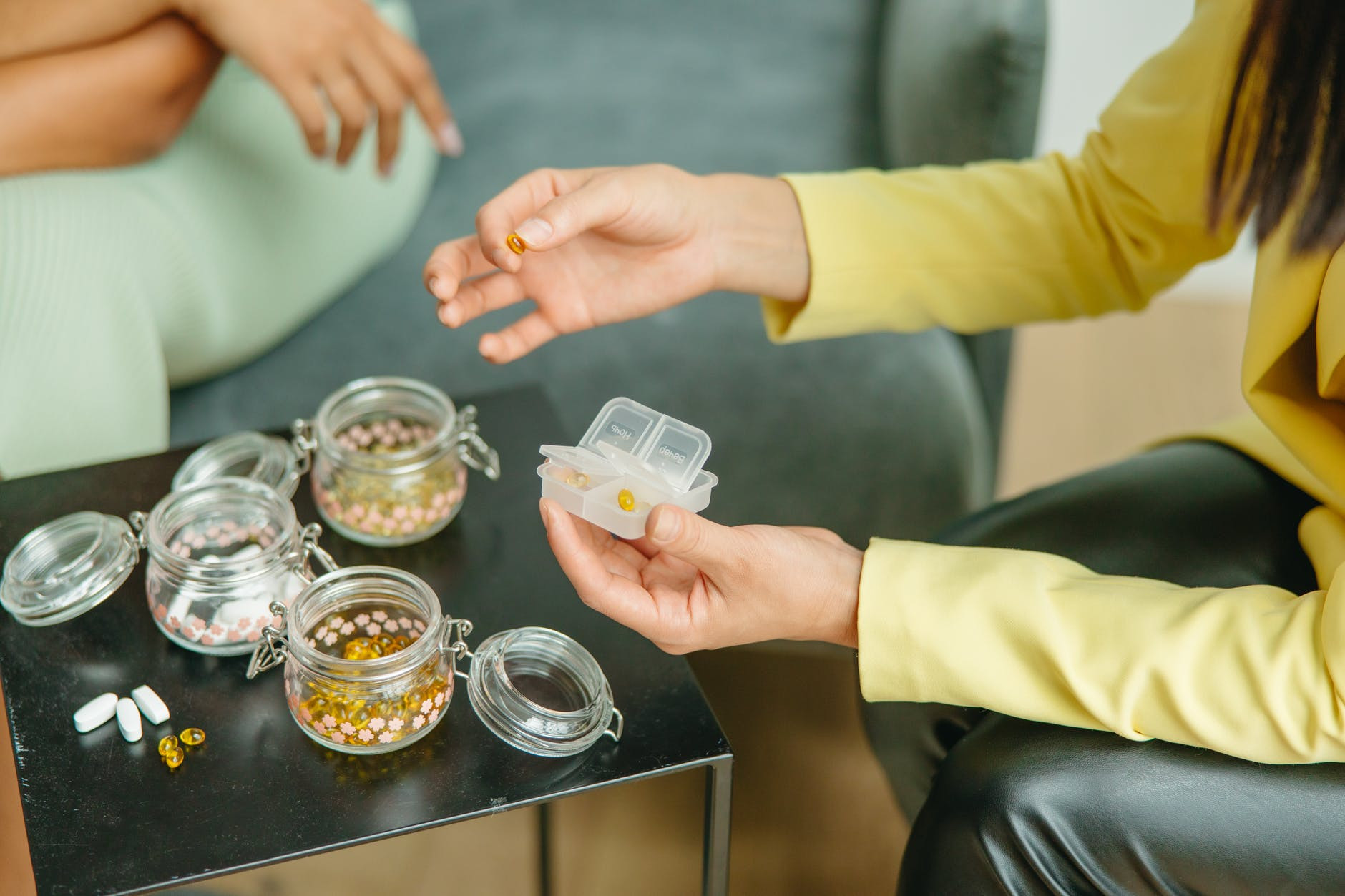
Once your pregnancy is confirmed, you’ll naturally become more cautious about your food choices and daily activities. Supplements and diet play a crucial role in the healthy development of your fetus, particularly in the first trimester.
During the early stages of pregnancy, it’s important to avoid smoking, drinking alcohol, and engaging in strenuous activities. You also need to ensure you’re meeting your nutritional and vitamin needs to prevent potential health complications for your fetus due to deficiencies in essential nutrients or vitamins.
Nutrients and Vitamins Needed in the First Trimester of Pregnancy
Folate or Folic Acid
Folic acid, also known as folate, is a B-vitamin that helps prevent serious issues related to brain and spinal cord development. Studies show that folic acid supplementation can reduce the risk of premature birth and low birth weight.
During the first trimester, you should aim to consume 400 micrograms of folic acid daily until the 12th week of pregnancy.
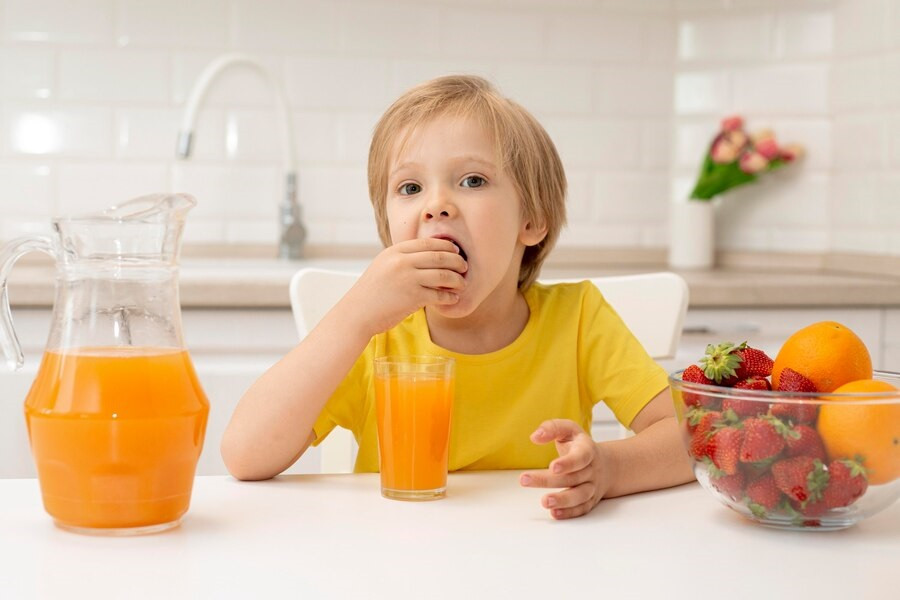
In addition to supplements, you can increase your folic acid intake by consuming foods such as green vegetables, citrus fruits, nuts, legumes, lentils, and fortified grains.
Calcium
Both you and your baby need calcium for strong bones and teeth, as well as to support the proper functioning of the circulatory, muscular, and nervous systems. During pregnancy, you need around 1,000 mg of calcium daily. If you’re pregnant as a teenager, you’ll need approximately 1,300 mg per day.
Calcium can be found in dairy products, broccoli, kale, fruit juices, and fortified cereals.
Vitamin D
Vitamin D is a fat-soluble vitamin that is essential for the healthy development of your baby. Research indicates that vitamin D supports immune function, cell division, and bone health. It is also needed for the absorption and metabolism of calcium and phosphorus, contributing to your baby’s healthy bone development and reducing the risk of preeclampsia.
The American Pregnancy Association recommends 4,000 IU of vitamin D daily to lower the risk of preterm birth and infection during pregnancy.
Protein
Protein is essential for your baby’s growth, helping develop skin, hair, nails, and muscles. During pregnancy, you need 60 to 100 grams of protein daily, depending on your weight, activity level, and stage of pregnancy.
Good sources of protein include red meat, poultry, fish, eggs, milk, cheese, tofu, and nuts. Protein shakes are not recommended, as they may not be safe during pregnancy. If you need additional protein sources, consult your obstetrician.
Iron
Severe iron deficiency during pregnancy can lead to anemia and increase the risk of premature birth, low birth weight, and postpartum depression. Studies also suggest that low iron levels during pregnancy raise the risk of stillbirth and postpartum death.
Common symptoms of iron deficiency include:
-
Fatigue
-
Weakness
-
Dizziness
-
Headache
-
Pale skin
-
Shortness of breath
-
Cravings for non-food items (pica)
-
Irregular heartbeat
-
Low blood pressure
-
Difficulty concentrating
You should aim for 27 mg of iron daily during pregnancy. Iron can be found in fortified cereals, red meat, spinach, kidney beans, poultry, and other iron-rich foods. If you’re considering iron supplements, discuss the appropriate dosage with your obstetrician.
In addition to taking the necessary supplements, remember to get vaccinations that can reduce the risk of certain infections, schedule regular ultrasounds as directed by your doctor, and avoid strenuous activity.
Looking for more information about pregnancy, breastfeeding, women's and children's health? Click here!
- dr Hanifa Rahma
Pregnancy Birth&Baby (2020). First trimester. Available from: https://www.pregnancybirthbaby.org.au/first-trimester
NHS UK (2020). Vitamins, supplements and nutrition in pregnancy. Available from: https://www.nhs.uk/pregnancy/keeping-well/vitamins-supplements-and-nutrition/
Mayo Clinic (2022). Pregnancy diet: Focus on these essential nutrients. Available from: https://www.mayoclinic.org/healthy-lifestyle/pregnancy-week-by-week/in-depth/pregnancy-nutrition/art-20045082
American Pregnancy Association. Vitamin D and Pregnancy. Available from: https://americanpregnancy.org/healthy-pregnancy/pregnancy-health-wellness/vitamin-d-and-pregnancy/
Eva Dasher (2021). Protein during pregnancy. Available from: https://www.babycenter.com/pregnancy/diet-and-fitness/protein-in-your-pregnancy-diet_1690
Mayo Clinic (2022). Iron deficiency anemia during pregnancy: Prevention tips. Available from: https://www.mayoclinic.org/healthy-lifestyle/pregnancy-week-by-week/in-depth/anemia-during-pregnancy/art-20114455