In general, a viral infection leaves behind some immunity to the patient. With Covid-19 infection, however, there are confirmed cases in which people who recovered later became infected again (reinfection). How does reinfection happen, and does post-infection immunity fade quickly?
What is Covid-19 Reinfection?
Covid-19 reinfection means a second or subsequent infections in patients that have recovered from prior infections caused by the same virus. One study reported that a person who had symptoms of mild Covid-19 infection later developed a second infection with severe symptoms about four months afterward.
Distinguishing true reinfection from reactivation of the same virus is not simple. To confirm this hypothesis, clinicians need samples from the first and subsequent covid-19 infections to have the viral genome be sequenced. Those results are then compared. If the viral sequences match, the subsequent infections likely reflect reactivation of the virus; if the sequences differ, the next infection can represent covid-19 reinfection.
Such testing is rarely performed because it is complex, time-consuming, and requires specialized laboratory facilities. As a result, determining whether a second infection is covid-19 reinfection or reactivation of the virus is often difficult in practice.
What Causes Covid-19 Reinfection?
Definitive causes of Covid-19 reinfections have not been established. Experts suspect there are several contributors to reinfection: exposure to a high amount of virus in crowded settings or during intensive outdoor activities, the emergence of new variants of Covid-19 virus that may lessen protection from antibodies produced during the first infection, and a weakened immune response in some people who have lingering medical issues after past Covid-19 infection.
Is Covid-19 Reinfection More Dangerous?
Available research suggests that reinfection of Covid-19 is uncommon. Recorded cases show an average interval of about 95 days between the first infection and a later episode, and the risks of reinfection appear to be very low during the first three months after Covid-19 recovery.
Some reports describe people whose first infection was mild with more severe symptoms in Covid-19 reinfections. Other reports show the reverse pattern. Overall, many experts think the first infection provides meaningful protection, which is why second infections are relatively rare; when they occur, symptoms are often mild.
Even so, researchers have not concluded that symptoms in Covid-19 reinfections are always milder than initial infections. People who have recovered should continue to follow health precautions.
In Vaccinated Individuals, Can Survivors Be Reinfected?
Under Indonesian Ministry of Health guidance, people who have recovered from Covid-19 infections may receive vaccination three months after recovery. Vaccination is not a guarantee of absolute immunity, even in those who previously had Covid-19 infections.
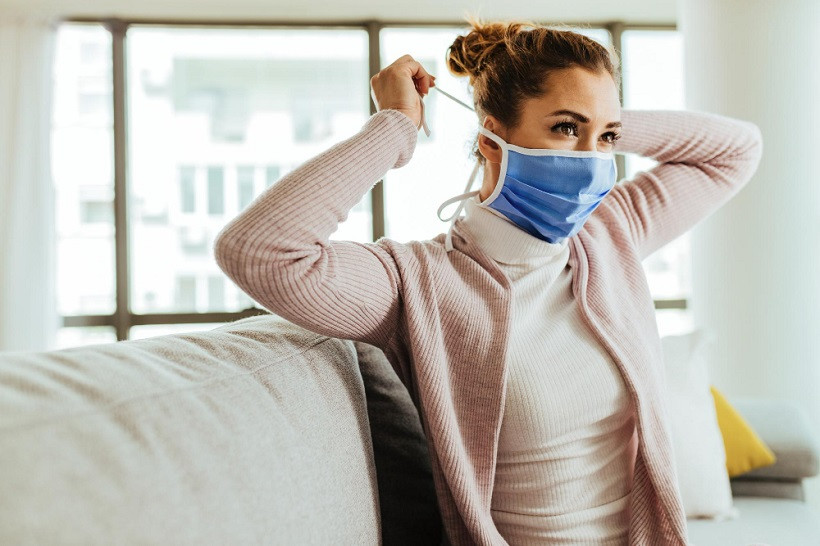
Vaccines are expected to reduce transmission and severe disease, but they must be combined with everyday precautions. Wear a mask in public, keep a safe distance from others, and wash your hands frequently with soap to protect yourself and your family.
Looking for more information and health articles about Covid-19? Click here!
- dr Hanifa Rahma