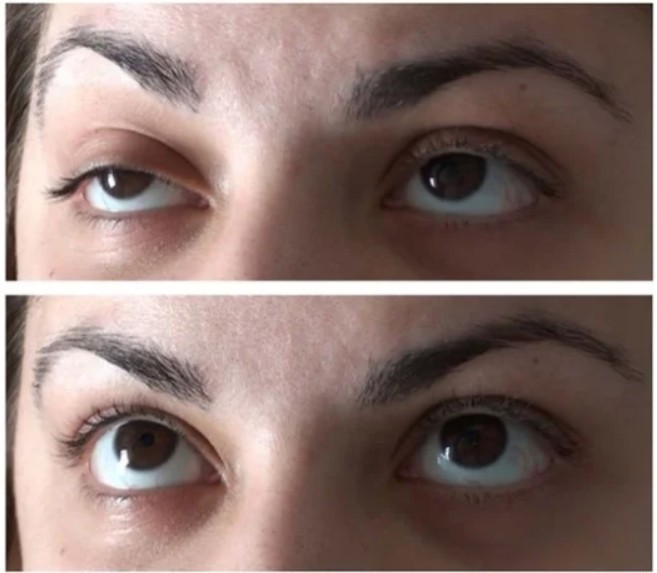
Definisi
Sindrom Poland adalah kelainan genetik yang ditandai dengan tidak berkembangnya otot pada salah satu sisi tubuh, seperti otot dada, bahu, jari tangan, dan tangan. Kondisi ini pertama kali diidentifikasi dan dideskripsikan pada tahun 1841 oleh dokter asal Inggris, Sir Alfred Poland.
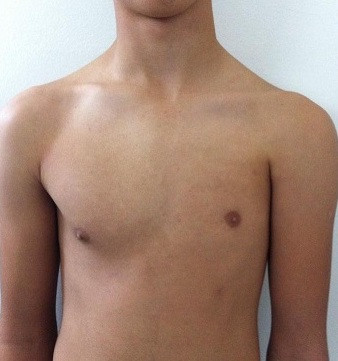
Penderita peyakit ini umumnya memiliki kelainan pada salah satu otot besar yang berada di dinding dada, yaitu pectoralis mayor. Otot yang mengalami kelainan ini dapat menyebabkan dada terlihat mencekung dan tidak simetris. Kelainan pada payudara atau puting susu juga dapat terjadi.
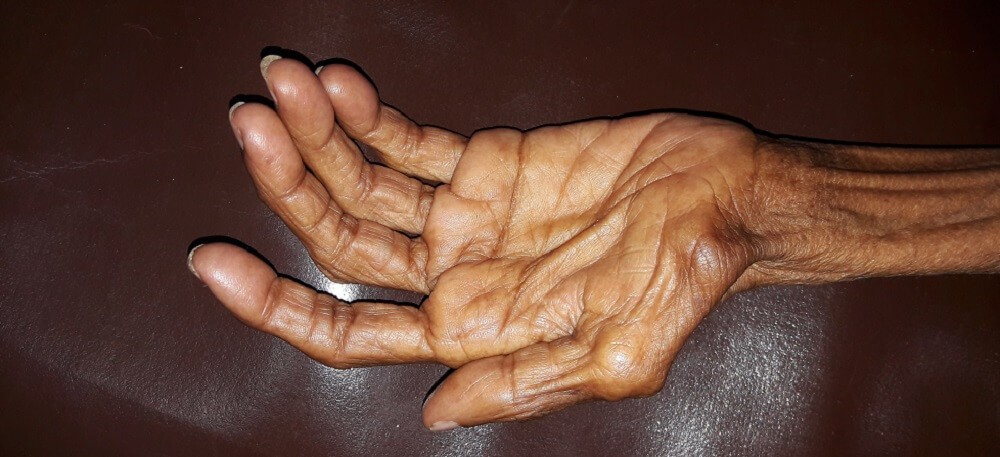
Selain kelainan pada otot dada, pada banyak kasus, penderita sindrom poland juga memiliki kelainan pada tangan sisi yang terkena. Biasanya hal ini ditunjukkan dengan jari-jari tangan berukuran pendek (brakidaktili) dan adanya beberapa jari yang saling menempel (sindaktili). Jika kedua kondisi ini terjadi, maka dikenal sebagai symbrachydactyly.
Anda dapat membaca lebih lengkap mengenai Brakidaktili, di sini!
Penyebab
Penyebab sindrom poland sampai saat ini masih belum diketahui secara pasti. Peneliti menduga hal ini terjadi akibat adanya gangguan aliran darah selama janin berada dalam kandungan ibu.
Gangguan aliran darah ini diperkirakan terjadi pada minggu ke-6 kehamilan dan mengenai pembuluh darah yang secara normal memperdarahi jaringan yang akan berkembang menjadi dinding dada dan tangan.
Variasi pada bagian yang mengalami kelainan dan derajat kerusakan yang ditimbulkannya menyebabkan munculnya banyak tanda dan gejala pada penyakit ini.
Sebagian besar kasus sindrom poland terjadi secara sporadis, yang berarti penyakit ini muncul tanpa menunjukkan pola persebaran khusus. Sindrom poland dapat muncul pada keluarga yang tidak memiliki riwayat penyakit ini di dalam keturunannya.
Namun, pada beberapa kasus langka, sindrom poland dapat diturunkan di dalam keluarga. Pewarisannya diduga bersifat dominan autosomal, dimana untuk menurunkan penyakit ini seseorang hanya memerlukan satu mutasi genetik dari salah satu orang tuanya. Meskipun begitu, keterkaitan gen yang menyebabkan penyakit ini belum diketahui dengan pasti.
Faktor Risiko
Beberapa faktor risiko yang dapat meningkatkan kemungkinan terjadinya sindrom poland antara lain:
- Riwayat keluarga
- Pada beberapa kasus langka, sindrom poland diturunkan dengan pola dominan autosomal di keluarga
- Jenis Kelamin
- Jenis kelamin laki-laki memiliki peluang dua lipat lebih besar mengalami sindrom poland dibandingkan wanita
- Penggunaan obat-obatan tertentu
- Terdapat hubungan antara penggunaan misoprostol selama kehamilan dengan kejadian sindrom poland
- Merokok dan penggunaan kokain
- Penelitian menunjukkan adanya keterkaitan antara merokok dan penggunaan kokain selama kehamilan dengan terjadinya sindrom poland
Pada banyak kasus, sindrom poland terjadi secara spontan tanpa faktor risiko yang jelas.
Gejala
Gejala dan tanda sindrom poland dapat diketahui sejak lahir atau baru terlihat saat masa kanak-kanak atau pubertas. Kelainan bagian tubuh yang terjadi bervariasi dari satu kasus dengan kasus lainnya.
Beberapa gejala dan tanda yang mungkin muncul pada sindrom poland antara lain:
- Dada yang terlihat tidak seimbang atau mencekung
- Jari yang lebih pendek pada salah satu sisi tangan. Hal ini selalu ditemukan pada sisi yang sama dimana kelainan pada dinding dada terjadi
- Jari-jari tangan yang saling menyatu
- Puting susu hilang atau tidak berkembang dengan sempurna di satu sisi
- Puting susu pada sisi yang terkena biasanya berada di posisi yang lebih tinggi dibandingkan puting susu pada sisi yang normal
- Payudara tidak berkembang secara normal pada wanita
- Kelainan pada tulang iga dan/atau tulang dada
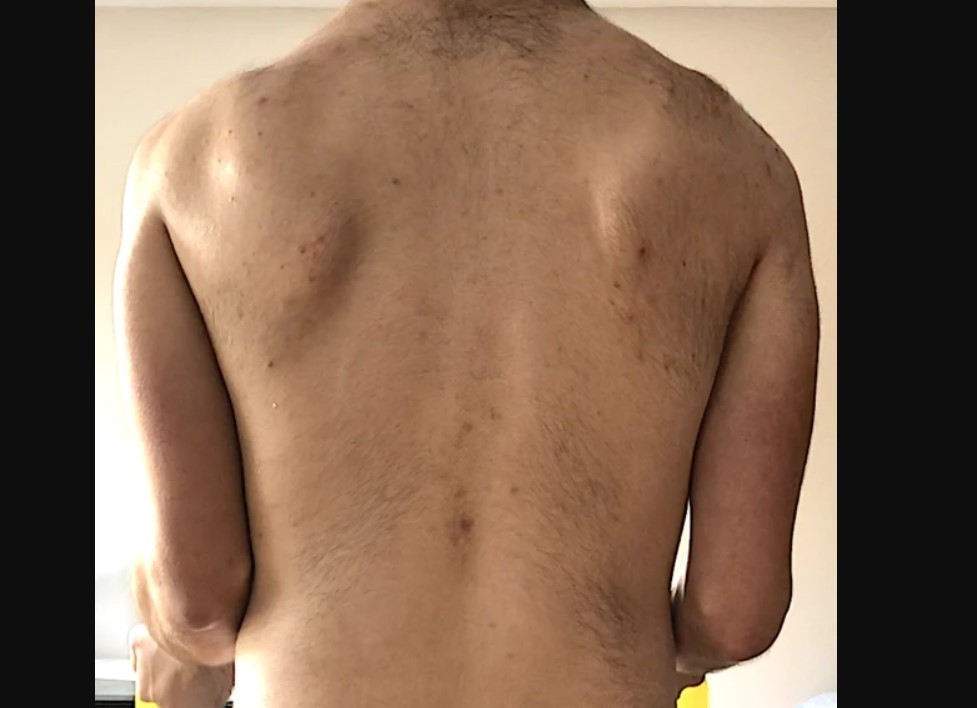
- Tulang belikat yang terlihat lebih tinggi
- Tidak adanya bulu ketiak pada sisi yang terkena
- Lengan yang lebih pendek pada satu sisi
Secara umum, penyakit ini dikenali oleh hilangnya atau tidak berkembangnya otot dada dan jari yang berukuran pendek serta saling menempel (symbrachydactyly) pada salah satu bagian tubuh.
Sisi yang mengalami kelainan terjadi lebih banyak pada sisi kanan dibandingkan kiri. Pada beberapa kasus langka, dapat terjadi kelainan pada kedua sisi tubuh, namun terdapat perbedaan pendapat terkait diagnosis keadaan ini, apakah sebagai sindrom poland atau keadaan lain.
Diagnosis
Pada beberapa kasus, penegakan diagnosis sindrom poland dapat dilakukan saat bayi lahir atau baru didiagnosa saat penderita berada di usia kanak-kanak atau pubertas. Kasus yang berat cenderung dapat didiagnosis saat bayi lahir. Pada kasus yang ringan, kelainan pada tangan mungkin tidak terjadi.
Pada kondisi ini, penderita sindrom poland mungkin baru datang ke dokter saat memasuki usia pubertas karena alasan kosmetik, ketika kelainan pada dada semakin jelas terlihat.
Diagnosis sindrom poland umumnya ditegakkan secara klinis, yaitu berdasarkan tanda dan gejala yang ditunjukkan penderitanya. Dokter akan melakukan konsultasi dengan keluarga pasien untuk mengetahui tanda dan gejala yang ditunjukkan pasien serta riwayat penyakit ini di keluarga.
Dokter selanjutnya akan melakukan pemeriksaan fisik untuk menilai kelainan-kelainan yang terjadi. Kelainan pada dada dapat dinilai dari pemeriksaan secara visual dan perabaan pada dinding dada bagian depan.
Dokter mungkin akan melakukan pemeriksaan jantung dan paru untuk menilai kelainan yang mungkin terjadi pada kedua organ ini. Selain itu, dokter juga akan memeriksa tangan dan kaki untuk menilai kelainan-kelainan yang mungkin ditemukan pada penderita sindrom poland.
Selanjutnya, dokter mungkin akan melakukan pemeriksaan lanjutan untuk mendiagnosis penyakit ini. Pemeriksaan radiologi seperti X-ray, CT-scan dan MRI mungkin dilakukan untuk membantu dokter menegakkan diagnosis sindrom poland.
Pemeriksaan X-ray dilakukan untuk mengidentifikasi tulang-tulang yang mengalami kelainan, seperti tangan, iga, tulang belikat dan lengan bawah. Pemeriksaan CT-scan dan MRI berguna dalam mendeteksi otot dinding dada yang abnormal.
Tata Laksana
Operasi rekonstruksi merupakan pilihan terapi yang paling banyak digunakan untuk menangani sindrom poland. Dalam prosedur ini, otot-otot dada yang ada digunakan untuk memperbaiki dada yang mengalami kelainan. Otot-otot dari bagian lain di tubuh juga dapat digunakan jika dibutuhkan.
Umumnya, operasi dilakukan karena alasan kosmetik. Namun pada beberapa kasus, operasi dinding dada diperlukan untuk mengatasi gangguan pernapasan yang terjadi akibat adanya kelainan pada tulang dada atau iga.
Operasi plastik menggunakan botox dan implan payudara dapat dilakukan untuk mengubah penampilan penderita sindrom poland. Hal ini dilakukan terutama untuk meningkatkan kondisi emosional penderita yang berusia remaja.
Selain itu, operasi juga mungkin dilakukan untuk mengoreksi berbagai kelainan pada tulang di sisi yang terkena, seperti jari-jari dan tangan. Operasi untuk mengoreksi keadaan jari-jari yang menyatu (sindaktili) biasanya dilakukan pada usia 1-2 tahun.
Penanganan yang diberikan pada pasien dengan sindrom poland bersifat spesifik, bergantung pada gejala yang dirasakan oleh penderitanya. Jika Anda memiliki penyakit ini, lakukan konsultasi mendalam dengan dokter bedah untuk menentukan pilihan terapi terbaik bagi Anda.
Anda dapat membaca lebih lengkap mengenai Sindaktili, di sini!
Pencegahan
Sampai saat ini, penyebab pasti sindrom poland tidak diketahui. Namun, terdapat beberapa hal yang dapat dilakukan untuk mengurangi risiko terjadinya penyakit ini dan kelainan bawaan lainnya, seperti:
- Menjaga kesehatan ibu selama hamil
- Menjaga kesehatan ibu selama masa hamil penting dilakukan, dengan cara mempertahankan berat badan yang sehat serta mengonsumsi vitamin dan suplemen. Hal ini dapat membantu mengurangi risiko terjadinya kelainan bawaan.
- Melakukan pemeriksaan antenatal care (ANC) secara rutin
- Pemeriksaan ultrasonografi (USG) selama hamil dapat membantu dokter mengidentifikasi kelainan bawaan secara dini dan memastikan diberikannya tata laksana yang tepat
- Hindari paparan terhadap zat-zat berbahaya
- Hindari paparan terhadap bahan-bahan berbahaya, seperti asap rokok, logam berat, dan bahan kimia lainnya, untuk mengurangi risiko kelainan bawaan.
Kapan Harus ke dokter?
Segera kunjungi dokter jika Anda mendapati adanya kelainan-kelainan yang berhubungan dengan sindrom poland pada bayi atau anak Anda, seperti dinding dada yang tidak simetris dan jari tangan berukuran pendek yang saling menempel.
Mau tahu informasi seputar penyakit lainnya? Cek di sini, ya!
- dr Nadia Opmalina

Medline Plus. 2022. Poland Syndrome. Available from: https://medlineplus.gov/genetics/condition/poland-syndrome/#references
Thibodeau R, De Cicco FL. 2022. Poland Syndrome in Children. Statpearl. Available from: https://www.ncbi.nlm.nih.gov/books/NBK560788/
Tafti D, Cecava ND. 2022. Poland Syndrome. Statpearl. Available from: https://www.ncbi.nlm.nih.gov/books/NBK532259/
Medscape. 2022. Poland Syndrome. Available from: https://emedicine.medscape.com/article/1273664-overview#a1
Orthobullets. 2022. Poland Syndrome. Available from: https://www.orthobullets.com/hand/6077/poland-syndrome
Kristeen Cherney. 2017. Poland Syndrome. Available from: https://www.healthline.com/health/poland-syndrome