
Definisi
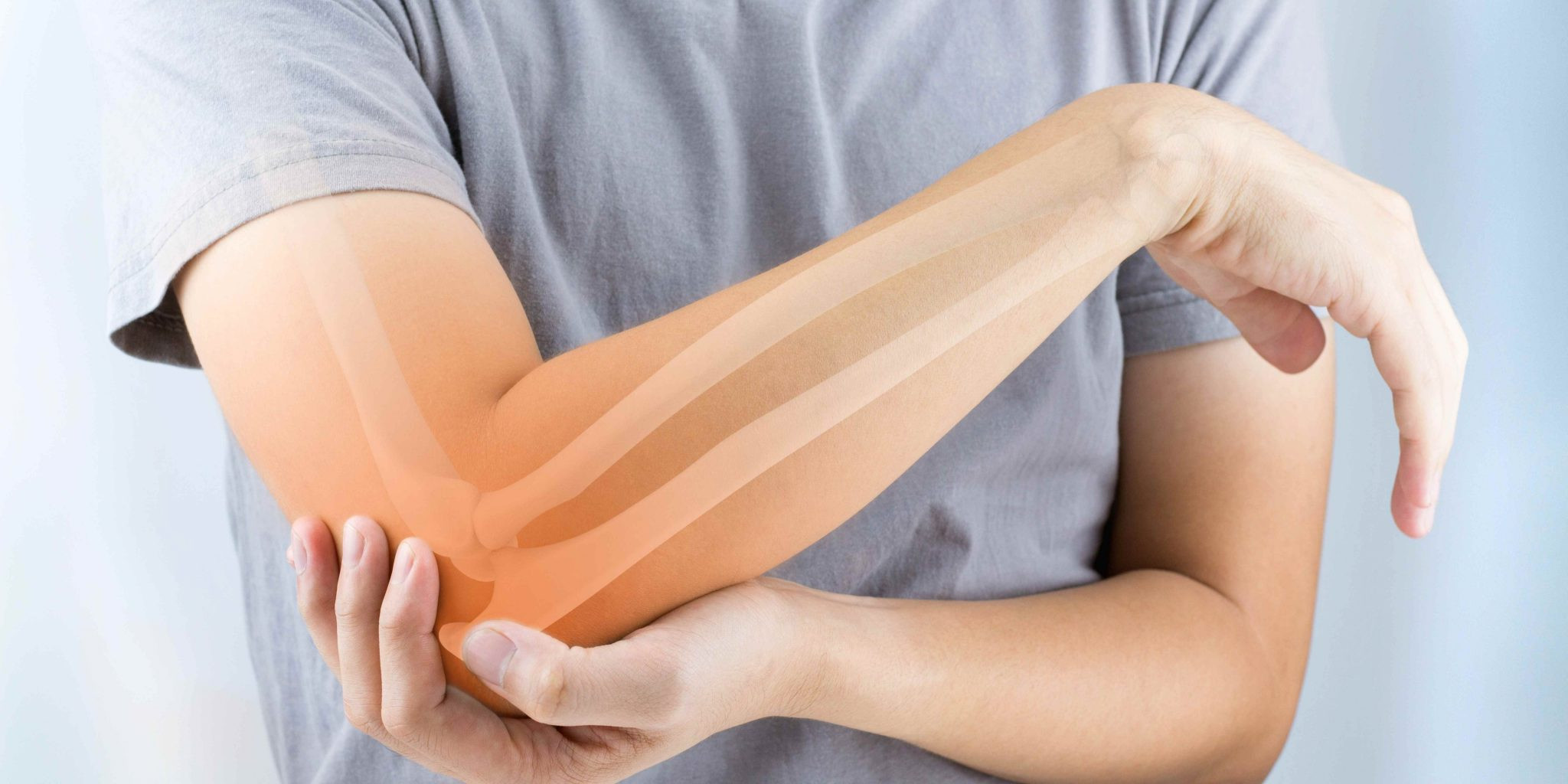
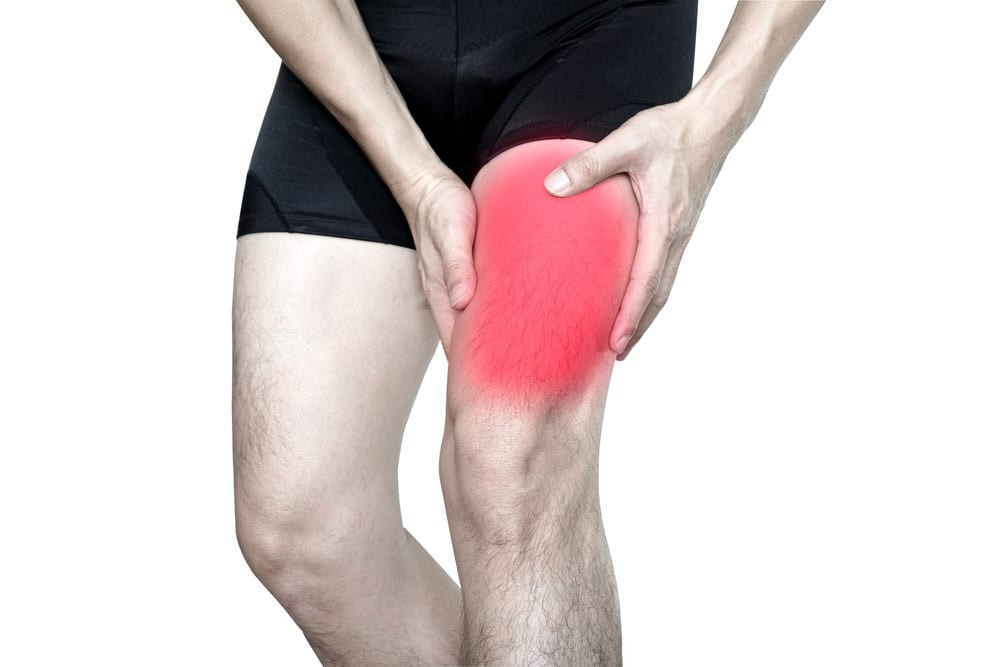
Repetitive strain injury (RSI) adalah adanya kerusakan secara bertahap pada otot, tendon (jaringan tebal otot) dan saraf yang disebabkan oleh gerakan berulang. Pada RSI terjadi regangan berulang yang dapat menimbulkan nyeri pada bagian tubuh tertentu seperti pada tangan, pergelangan tangan, lengan, bahu dan punggung. Gerakan yang dilakukan berulang pada bagian anggota tubuh memicu terjadinya peregangan secara berulang pada otot dan jaringan penunjangnya. Kondisi ini pada akhirnya akan menimbulkan kerusakan jaringan dalam bentuk adanya perubahan atau peradangan terhadap jaringan tersebut. Selain itu, jaringan yang mengalami peregangan dan stres berulang menyebabkan terjadinya robekan dan perubahan dibandingkan normalnya. Seiring dengan berjalannya waktu, kondisi ini dapat memunculkan gejala dan keluhan seperti nyeri dan rasa tidak nyaman pada anggota tubuh yang terkena.
RSI sangat sering terjadi terutama pada kelompok orang yang bekerja dengan gerakan berulang seperti mengetik atau pekerjaan menggunakan suatu alat. Selain itu, RSI juga berhubungan dengan kondisi lain seperti tekanan kuat, getaran dan posisi menahan dalam jangka waktu lama terhadap bagian tubuh tertentu. Beberapa kelompok orang yang paling sering mengalami RSI adalah atlet, penyanyi, pekerja yang menggunakan suatu alat dan komputer.
Penyebab
Setiap gerakan atau aktivitas yang Anda lakukan dapat menjadi penyebab terjadinya RSI. Bagian tubuh Anda yang digunakan secara berulang akan mengalami stres dan ketegangan hingga terjadi kerusakan secara perlahan seiring bertambahnya waktu. Beberapa mekanisme terjadinya cedera berulang meliputi gerakan kecil dengan frekuensi sering, gerakan dengan kekuatan penuh dan kurang menggerakkan anggota tubuh seperti bertahan dalam posisi tertentu. Berikut ini adalah aktivitas atau pekerjaan yang dapat menjadi penyebab RSI:
- Berolahraga tanpa melakukan pemanasan dan pendinginan
- Bekerja dengan menggunakan alat yang bergetar seperti bor dan perkakas listrik lainnya
- Olahraga atau pekerjaan yang mengharuskan Anda melakukan gerakan yang sama berulang kali
- Postur tubuh yang buruk saat bekerja baik saat duduk atau berdiri
- Mengangkat beban berat
- Menggenggam roda kemudi dalam waktu lama
- Pekerjaan atau aktivitas yang dilakukan dengan jangka waktu lama tanpa istirahat
- Bekerja dalam posisi tidak nyaman
- Duduk dalam posisi sempit terlalu lama
- Pekerjaan dengan melakukan gerakan memutar dan meregang seperti mengecat
- Memegang suatu alat pekerjaan yang besar atau bahkan terlalu kecil
Faktor Risiko
Risiko Anda mengalami RSI akan meningkat apabila Anda memiliki kondisi seperti di bawah ini:
- Beban pekerjaan yang tinggi
- Pekerjaan dengan waktu padat dan ketat sehingga memicu terjadinya stres
- Memiliki riwayat cedera sebelumnya pada bagian anggota tubuh
- Anda belum terlatih dalam suatu pekerjaan dan olahrga tertentu
- Kelelahan
- Stres berkepanjangan terbukti meningkatkan terjadinya RSI. Hal ini dikarenakan stres dapat memicu otot menjadi tegang dan memengaruhi tubuh dalam merespon keluhan nyeri.
Gejala
Gejala yang dapat Anda rasakan saat mengalami RSI sangat beragam seperti nyeri pada otot dan persendian terutama ketika melakukan aktivitas dan gerakan tertentu. Gejala dapat dirasakan pada bagian anggota tubuh seperti tangan, pergelangan tangan, lengan dan bahu bergantung dengan lokasi RSI terjadi. Selain itu, terdapat gejala lain yang dapat timbul yaitu:
- Kram otot
- Kaku saat menggerakkan anggota tubuh
- Bengkak
- Kesemutan atau mati rasa
- Rasa nyeri dengan sensasi panas terbakar atau berdenyut
- Terlalu peka terhadap rasa dingin atau panas
- Kehilangan kekuatan otot
- Mengalami kesulitan saat menggerakkan jari tertentu yaitu ibu jari
Diagnosis
Diagnosis RSI dapat ditegakkan melalui anamnesis atau wawancara medis, pemeriksaan fisik dan pemeriksaan penunjang.
Wawancara Medis
Wawancara yang dilakukan antar dokter dan pasien. Dokter akan bertanya mengenai:
- Gejala yang dialami saat ini
- Riwayat pekerjaan dan aktivitas sehari-hari
- Riwayat penyakit terdahulu
- Riwayat penyakit keluarga
Dokter akan menggali informasi mengenai pekerjaan atau aktivitas yang dapat memicu keluhan Anda. Hal ini dilakukan untuk mengidentifikasi adanya gerakan berulang yang Anda lakukan. Selain itu, dokter juga mengajukan pertanyaan terkait dengan lingkungan kerja Anda, cara Anda bekerja, posisi dan tempat kerja nyaman atau tidak.
Pemeriksaan Fisik
Setelah wawancara medis, dokter akan melakukan pemeriksaan fisik umum dan spesifik. Pada pemeriksaan fisik umum dokter akan memeriksa tanda-tanda vital, yaitu pengukuran tekanan darah, laju pernapasan, denyut nadi dan suhu tubuh. Sedangkan pada pemeriksaan fisik spesifik dokter akan memeriksa beberapa bagian anggota tubuh Anda terutama yang mengalami gejala. Pemeriksaan yang dilakukan berupa penilaian:
- Gerakan anggota tubuh
- Ketegangan atau kelembutan otot
- Bengkak atau tidak
- Refleks
- Kekuatan otot
Pemeriksaan Penunjang
Dokter mungkin juga akan merekomendasikan pemeriksaan penunjang seperti laboratorium, radiologi dan pemeriksaan khusus saraf.
- Pemeriksaan Laboratorium
- Darah Lengkap : untuk mengetahui adanya penyakit diabetes mellitus dan peradangan sendi yang dapat meningkatkan risiko terjadi RSI
- Pemeriksaan Radiologi
- Rontgen X-ray : untuk mengidentifikasi adanya patah tulang dan peradangan sendi
- USG (Ultrasonografi) dan MRI (Magnetic Resonance Imaging) : untuk menilai adanya kerusakan jaringan otot dan jaringan penunjang lainnya (ligamen)
- Pemeriksaan Elektromiografi : untuk memeriksa kekuatan pada anggota tubuh yang mengalami keluhan
- Tes Konduksi Saraf : untuk memeriksa fungsi saraf
Anda dapat membaca mengenai cedera ligamen selengkapnya, di sini: Cedera Ligamen - Definisi, Penyebab, Gejala dan Pengobatannya
Tata Laksana
Pengobatan RSI bervariasi bergantung dengan penyebabnya. Sementara waktu sebelum ke dokter, Anda dapat melakukan beberapa cara untuk mengurangi keluhan meliputi:
- Istirahat dan menghindari aktivitas yang menjadi penyebab cedera
- Kompres dingin bagian tubuh yang mengalami keluhan selama 15 menit
- Menggunakan perban elastik pada anggota tubuh yang terkena
- Meninggikan anggota tubuh yang cedera
Selain itu, tatalaksana yang dapat direkomendasikan dokter untuk mengatasi keluhan Anda karena RSI beragam seperti obat, latihan fisik, fisioterapi dan operasi.
Obat-obatan
Dokter akan memberikan obat berupa antinyeri dan antiperadangan seperti parasetamol atau ibuprofen. Selain itu, dokter dapat meresepkan obat dalam bentuk sediaan salep dan Anda dapat mengoleskannya pada area tubuh yang mengalami nyeri atau pembengkakan. Pada kasus RSI berhubungan dengan penyakit atau kondisi medis tertentu seperti penyakit radang sendi, dokter akan memberikan obat antiperadangan yang disuntikkan ke area tubuh yang terkena.
Latihan Fisik dan Fisioterapi
Latihan fisik dan fisioterapi dapat membantu Anda memperbaiki postur tubuh, kekuatan otot dan kelenturan gerakan.
Tindakan Operasi
Tindakan operasi dilakukan apabila RSI yang Anda alami tidak berespon dan perbaikan dengan menggunakan terapi non-operasi. Tindakan operasi biasanya dilakukan untuk memperbaiki adanya permasalahan pada tendon (jaringan tebal otot) atau saraf.
Komplikasi
Apabila RSI berlangsung lama dan tidak mendapat terapi tepat dapat menyebabkan kerusakan lebih lanjut dan menimbulkan terjadinya kondisi lain, yaitu:
- Patah tulang
- Penekanan pada saraf
- Kontraktur (kelainan) otot
- Kista ganglion, yaitu adanya cairan pada area sendi
- Perubahan bentuk struktur anggota tubuh
- Anggota tubuh tidak dapat digerakkan
Jika Anda ingin mengetahui lebih lanjut mengenai kista ganglion, Anda dapat membacanya di sini: Kista Ganglion - Definisi, Penyebab, Gejala dan Pengobatannya
Pencegahan
Terdapat beberapa langkah pencegahan yang dapat Anda lakukan untuk mengurangi terjadinya RSI. Cara paling utama dalam mencegah RSI yaitu dengan mengurangi dan menghindari penggunaan tubuh secara berulang dan berlebihan. Selain itu, selama beraktivitas dan melakukan pekerjaan sebaiknya Anda juga dapat menerapkan cara pencegahan seperti berikut ini:
- Menggunakan alat pelindung diri dengan benar dan tepat
- Hindari memaksa anggota tubuh tetap bergerak apabila Anda merasakan nyeri saat bekerja atau beraktivitas
- Istirahat dan pulihkan tubuh Anda pasca melakukan aktivitas berat
- Sebelum berolahraga, lakukan peregangan dan pemanasan
- Melakukan pendinginan dan peregangan setelah beraktivitas
- Memperbaiki postur tubuh selama bekerja
- Mengelola stres dengan baik
Kapan Harus Ke Dokter?
Ketika Anda merasakan nyeri pada bagian anggota tubuh dan memberat saat beraktivitas atau bekerja. Kondisi ini dapat menandakan bahwa Anda mengalami gejala RSI. Sebaiknya segera konsultasikan ke dokter spesialis tulang (ortopedi) untuk memastikan kondisi Anda saat ini.
Mau tahu informasi seputar penyakit lainnya? Cek di sini, ya!
- dr. Monica Salim

Repetitive Strain Injury – NHS UK. (2022). Retrieved 20 November 2022, from https://www.nhs.uk/conditions/repetitive-strain-injury-rsi/
Repetitive Strain Injury – clevelandclinic. (2022). Retrieved 20 November 2022, from https://my.clevelandclinic.org/health/diseases/17424-repetitive-strain-injury
Hecht. Everything You Sholud Know About Repetitive Strain Injury – Healthline. (2022). Retrieved 20 November 2022, from https://www.healthline.com/health/repetitive-strain-injury
Minnis G. Repetitive Strain Injury Explained – MedicalNewsToday. (2022). Retrieved 20 November 2022, from https://www.medicalnewstoday.com/articles/176443#causes
Repetitive Strain Injury – bupa. (2022). Retrieved 20 November 2022, from https://www.bupa.co.uk/health-information/muscles-bones-joints/repetitive-strain-injury-rsi
Repetitive Strain Injury – ada. (2022). Retrieved 20 November 2022, from https://ada.com/conditions/repetitive-strain-injury/
Tidy C. Repetitive Strain Injury – patient. (2022). Retrieved 20 November 2022, from https://patient.info/bones-joints-muscles/tendinopathy-and-tenosynovitis-tendinosis/repetitive-strain-injury#nav-2