Definisi
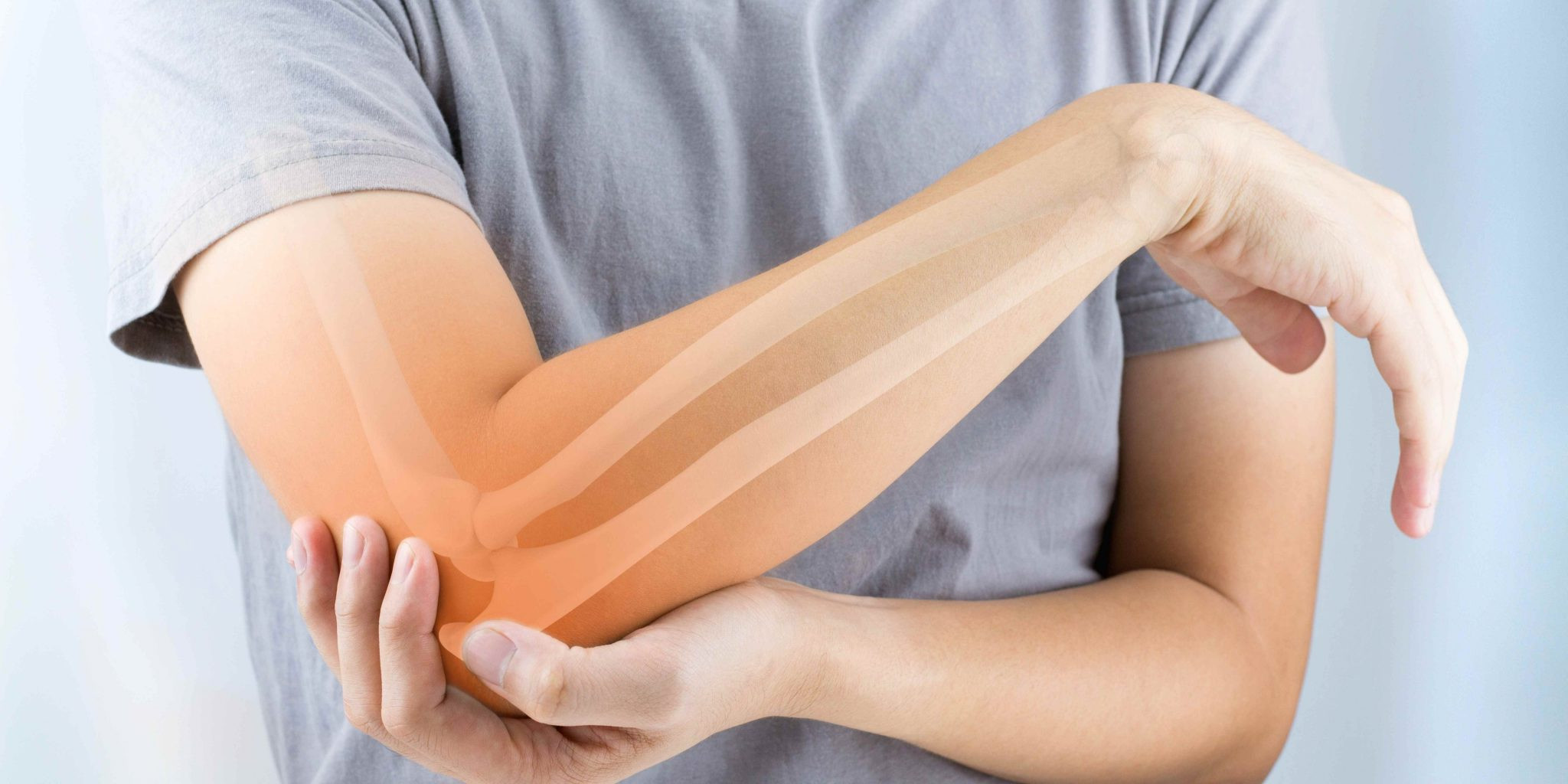
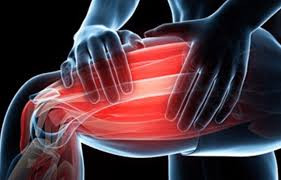
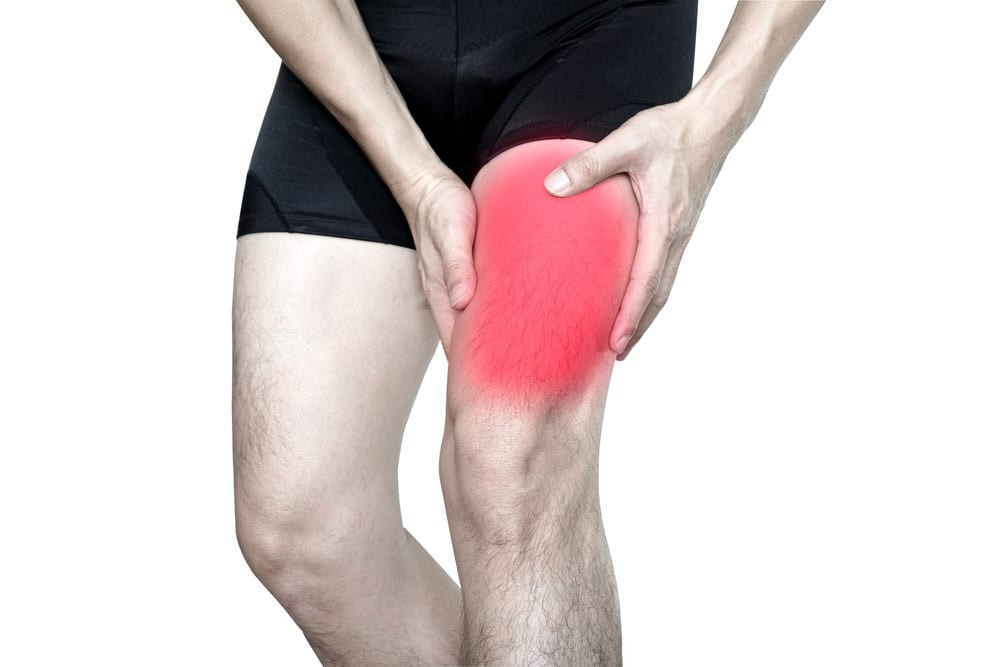
Cedera otot kaki (strain) adalah cedera yang terjadi pada otot atau tendon kaki. Tendon adalah jaringan ikat yang menghubungkan otot dengan tulang. Cedera kecil bisa terjadi bila otot atau tendon kaki tertarik terlalu kencang, namun cedera mayor atau berat dapat menyebabkan robekan pada jaringan otot dan tendon. Robekan pada jaringan ini dapat merusak pembuluh-pembuluh darah kecil sehingga dapat terjadi perdarahan, memar, dan nyeri akibat adanya iritasi pada ujung saraf di area cedera.
Penyebab
Penyebab cedera otot kaki terjadi ketika otot tertarik secara tiba-tiba dan tidak disengaja. Penarikan otot ini dapat disebabkan oleh cedera, misalnya akibat:
- Tidak melakukan pemanasan dengan tepat sebelum berolahraga.
- Kelenturan badan yang kurang.
- Pengondisian yang parah.
- Kelelahan.
Cedera otot kaki yang akut dapat terjadi saat:
- Terpeleset.
- Melompat.
- Berlari.
- Mengangkat barang berat.
- Mengangkat barang pada posisi yang kurang nyaman.
Sementara itu, cedera otot kronis bisa timbul dari cedera berulang ketika otot kaki terpapar stres terus-menerus karena melakukan gerakan berulang.
Faktor Risiko
Faktor risiko cedera pada otot kaki adalah olahraga yang melibatkan kontak fisik, seperti sepak bola dan hoki. Otot kaki terutama tendon Achilles pada mata kaki, rentan mengalami cedera akibat olahraga yang dimulai dengan kecepatan penuh atau melompat, seperti lari gawang dan basket.
Gejala
Gejala cedera pada otot kaki akan bervariasi tergantung keparahan cedera, misalnya:
- Nyeri.
- Merah atau memar.
- Keterbatasan ruang gerak.
- Kaku otot.
- Bengkak.
- Lemah otot.
Pada cedera otot ringan, otot mungkin akan terasa sedikit kaku, namun masih dapat digerakkan. Sementara itu, pada cedera otot berat terjadi robekan pada otot. Umumnya bisa ditemukan nyeri dan keterbatasan ruang gerak pada otot yang mengalami cedera.
Gejala cedera pada otot kaki yang ringan atau sedang biasanya akan membaik setelah beberapa minggu. Sementara itu, cedera pada otot kaki yang berat bisa bertahan selama berbulan-bulan.
Diagnosis
Pada kasus cedera otot kaki, dokter akan menanyakan riwayat terjadinya cedera dan melakukan pemeriksaan fisik di tubuh, terutama area kaki. Pemeriksaan fisik ini akan membantu dokter mengetahui seberapa besar robekan pada otot (sebagian atau seluruhnya). Hasil pemeriksaan fisik ini dapat membantu dokter memperkirakan waktu yang dibutuhkan untuk perbaikan otot, kemungkinan diperlukannya prosedur bedah, dan bila pemulihan yang mungkin akan sulit.
Pada kasus seperti ini, pemeriksaan laboratorium dan pencitraan biasanya tidak dibutuhkan, kecuali bila ada riwayat trauma atau kemungkinan gangguan kaki sudah disertai infeksi.
Tata Laksana
Sebagian besar cedera pada otot kaki dapat ditangani sendiri di rumah dengan empat langkah berikut:
Rest (istirahat)
Anda dapat menghindari penggunaan otot kaki yang mengalami cedera selama beberapa hari, terutama apabila gerakan memperparah rasa nyeri. Namun, terlalu banyak beristirahat dapat menyebabkan kelemahan otot. Hal ini dapat memperpanjang masa pemulihan. Oleh karena itu, setelah dua hari, Anda dapat mulai menggunakan otot yang cedera sedikit demi sedikit. Jangan sampai proses ini membuat kaki terlalu lemah.
Ice (es)
Anda juga dapat menaruh es sesegera mungkin setelah cedera terjadi. Hal ini dapat menurunkan pembengkakan. Namun, es tidak boleh langsung berkontak dengan kulit. Anda dapat menggunakan ice pack atau membungkus es di dalam handuk. Anda dapat melakukan hal ini selama sekitar 20 menit. Hal ini dapat diulangi setiap jam pada hari pertama terjadinya cedera. Selama beberapa hari setelahnya, Anda dapat menaruh es dengan cara yang sama setiap empat jam.
Kompresi (penekanan)
Untuk mengurangi pembengkakan, Anda dapat membungkus daerah cedera dengan perban elastis hingga pembengkakan menurun. Anda juga perlu berhati-hati agar bungkusan tidak terlalu kencang, karena hal ini dapat menyebabkan berkurangnya aliran darah ke area yang mengalami cedera.
Elevasi (mengangkat)
Jika dapat dilakukan, Anda dapat menumpu bagian kaki yang cedera hingga sedikit lebih tinggi daripada jantung.
Anda juga dapat melakukan beberapa hal di bawah ini:
- Menggunakan obat-obatan antinyeri
Beberapa obat antinyeri dapat dibeli di apotek tanpa resep dokter, seperti ibuprofen dan parasetamol. Obat-obatan ini dapat menurunkan nyeri dan pembengkakan.
- Setelah tiga hari, berikan panas ke otot yang cedera
Hal ini dapat dilakukan dengan kompres air hangat. Pemberian panas dapat menaikkan aliran darah ke tempat cedera agar pemulihan lebih cepat terjadi.
- Jangan mengistirahatkan otot Anda terlalu lama
Hal ini dapat menyebabkan kekakuan dan kelemahan otot. Anda dapat memulai peregangan otot secepatnya. Selanjutnya, Anda dapat menaikkan aktivitas gerak otot secara perlahan.
- Selalu melakukan pemanasan dan peregangan otot yang baik sebelum berolahraga
Setelah Anda kembali ke aktivitas semula, jangan lupa untuk selalu melakukan pemanasan dengan baik sebelum olahraga. Hal ini dapat meningkatkan aliran darah ke otot dan menurunkan risiko cedera.
- Berolahraga rutin
Anda akan jarang mengalami cedera otot apabila otot Anda kuat dan sehat.
Komplikasi
Waktu pemulihan sangat tergantung pada keparahan cedera. Pada cedera ringan, Anda dapat kembali beraktivitas seperti semula setelah 3-6 minggu dengan pengobatan sendiri. Pada cedera yang lebih serius, pemulihan dapat terjadi selama beberapa bulan.
Pada kondisi cedera yang berat bisa memerlukan pembedahan untuk memperbaiki robekan otot atau tendon yang berat. Umumnya, jaringan yang mengalami kerusakan akan diangkat, lalu pada cedera tendon, bisa diambil tendon dari area tubuh lain untuk dicangkok (graft) pada tendon yang rusak. Prosedur ini bekerja untuk memperkuat dan memperbaiki tendon yang lemah.
Setelah prosedur operasi, biasanya pasien akan dipasang gips untuk membantu melindungi area kaki yang baru saja dioperasi. Rehabilitasi menjadi salah satu bagian penting dalam penyembuhan dan proses penyembuhan bisa berbeda-beda pada setiap orang.
Dengan penanganan yang tepat, sebagian besar cedera pada otot kaki dapat sembuh total. Anda dapat meningkatkan pemulihan dengan melakukan pencegahan agar tidak terkena cedera serupa di kemudian hari.
Pencegahan
Pencegahan cedera pada otot kaki dapat dilakukan sebagai berikut:
- Jangan duduk pada posisi yang sama terlalu lama
Anda dapat beristirahat sejenak untuk bergerak dan mengubah posisi. Anda juga dapat menggunakan kursi yang menopang punggung bawah Anda dengan baik, atau memakai bantal sebagai penopang. Anda bisa menjaga agar lutut sama tinggi dengan panggul.
- Menjaga postur tubuh saat berdiri dan duduk
Jika Anda menghabiskan terlalu banyak waktu pada posisi yang sama, Anda dapat menaruh kaki Anda secara bergantian pada kursi khusus untuk kaki. Hal ini dapat menurunkan stres pada otot punggung Anda.
- Mengangkat barang secara berhati-hati
Anda dapat menjaga agar punggung Anda tegak, menekuk lutut, dan menahan beban dengan kaki. Anda juga dapat menjaga agar beban yang diangkat dekat dengan badan Anda. Selain itu, Anda sangat tidak disarankan mengangkat beban sambil memutar tubuh Anda.
- Berhati-hati dan mencegah jatuh
Hal ini dapat dilakukan dengan memegang pegangan tangan saat berjalan di atas anak tangga, menghindari permukaan licin, dan menjaga agar lingkungan Anda tidak berantakan. Gunakan juga sepatu dengan ukuran yang pas.
- Menurunkan berat badan
Jaga agar berat badan Anda termasuk ke dalam rentang ideal, terutama apabila Anda memiliki berat badan berlebih.
Olahraga secara rutin dapat membuat otot-otot Anda kuat dan sehat, namun teknik dan posisi sangat penting untuk mencegah cedera pada otot kaki. Anda sangat disarankan untuk melakukan peregangan otot dan pemanasan sebelum melakukan olahraga, serta pendinginan setelah berolahraga.
Jika Anda baru memulai aktivitas fisik, Anda sebaiknya mulai perlahan. Pemahaman mengenai batas kekuatan tubuh sangat penting untuk mencegah cedera.
Kapan Harus ke Dokter?
Cedera otot kaki yang ringan dapat ditangani di rumah. Anda dapat berkunjung ke dokter apabila gejala Anda semakin parah meskipun telah melakukan langkah-langkah pada Tata Laksana. Berkunjunglah ke dokter terutama ketika nyeri tidak tertahankan, atau ketika Anda mengalami kelumpuhan dan kesemutan pada kaki.
Mau tahu informasi seputar penyakit lainnya? Cek di sini, ya!
- dr Hanifa Rahma

Muscle strains - Symptoms and causes. Mayo Clinic. (2020). Retrieved 8 September 2022, from https://www.mayoclinic.org/diseases-conditions/muscle-strains/symptoms-causes/syc-20450507.
Muscle Strains: Symptoms, Causes, and Prevention. Healthline. (2018). Retrieved 8 September 2022, from https://www.healthline.com/health/strains.
Wheeler, T. (2022). The Basics of Muscle Strains. WebMD. Retrieved 8 September 2022, from https://www.webmd.com/fitness-exercise/guide/muscle-strain.
Foot and Ankle Tendon Injuries Treatment. Peen Medicine. Retrieved 9 September 2022, from https://www.pennmedicine.org/for-patients-and-visitors/find-a-program-or-service/orthopaedics/foot-and-ankle-pain/foot-and-ankle-tendon-injuries-treatment.