
Kafein adalah zat yang bersifat stimulan, bekerja dengan meningkatkan aktivitas otak dan sistem saraf serta meningkatkan sirkulasi hormon tubuh seperti kortisol dan adrenalin di dalam tubuh. Sebenarnya selain kopi ada jenis minuman lain yang juga mengandung kafein seperti teh, minuman cokelat, minuman bersoda dan juga minuman berenergi. Masing-masing mengandung kadar kafein yang berbeda-beda, namun memberikan manfaat yang sama seperti saat minum kopi.
Cara Kerja Kafein di Dalam Tubuh
Saat dikonsumsi dalam dosis yang tidak berlebihan, kafein dapat membuat Anda merasa segar kembali dan meningkatkan konsentrasi. Tak heran bila di pagi hari minuman mengandung kafein seperti kopi adalah minuman yang paling dicari.
Kafein diserap tubuh dalam jangka waktu yang singkat, dan membuat tubuh terasa segar bahkan dalam waktu 5-30 menit setelah meminumnya. Ketika masuk ke dalam tubuh, Anda akan merasakan peningkatan pernapasan, detak jantung, kewaspadaan serta energi fisik, di mana efek ini bisa berlangsung hingga 12 jam atau lebih tergantung pada toleransi seseorang terhadap kafein.
Perkiraan Kandungan Kafein dalam Minuman per Sajian
Reaksi tubuh terhadap kafein dipengaruhi oleh massa tubuh, kondisi kesehatan, metabolisme, serta toleransi terhadap kafein berdasarkan kebiasaan konsumsi minuman berkafein. Secara umum rekomendasi asupan kafein harian pada orang normal adalah sekitar 400 mg per hari atau kurang dari itu agar tetap aman dan tidak menyebabkan efek samping.
Berikut adalah perkiraan kandungan kafein dalam minuman, di antaranya:
- Minuman cokelat mengandung 5-10 mg kafein per 250 ml
- Kopi instant mengandung 80-120 mg kafein per 250 ml
- Kopi drip mengandung 150-240 mg kafein per 250 ml
- Kopi espresi mengandung 105-110 mg kafein per 250 ml
- Teh hitam mengandung 65-105 mg kafein per 250 ml
- Minuman cola mengandung 40-49 mg kafein per 375 ml
- Minuman berenergi seperti Red Bull mengandung 80 mg kafein per 250 ml
- Minuman berenergi lain mengandung 160 mg kafein per 250 ml
Bolehkah Ibu Hamil Minum Minuman Berkafein?
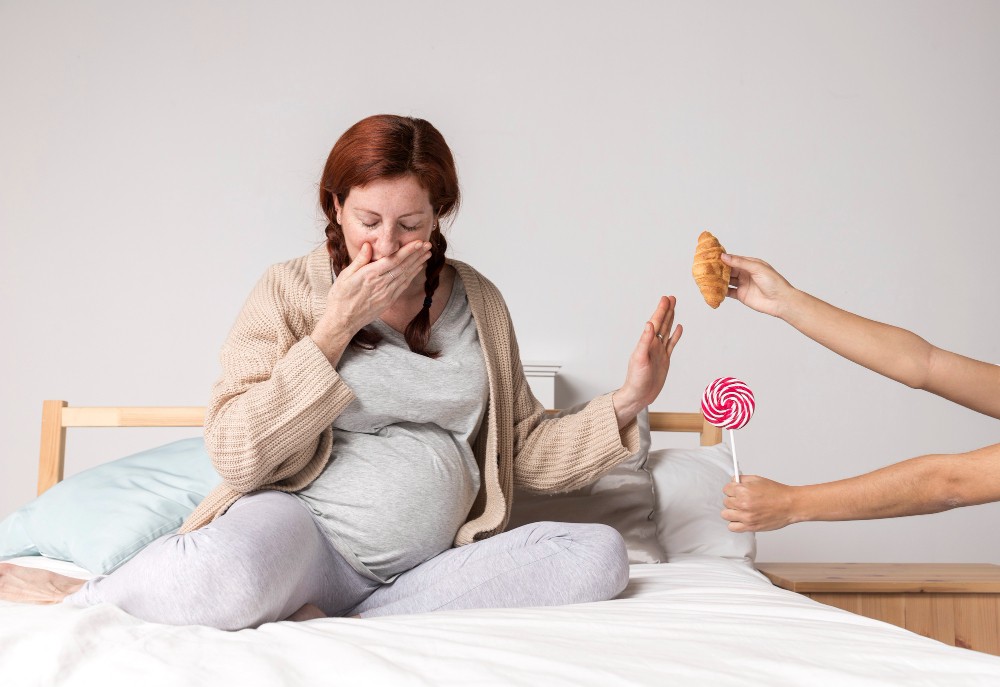
Ibu hamil lebih baik menghindari konsumsi minuman berkafein. Kafein bisa melewati plasenta, namun janin masih belum memiliki enzim untuk memetabolisme kafein. Kafein juga dapat mempengaruhi pola tidur janin dan pergerakannya di dalam rahim.
Perlu dicatat bahwa mengonsumsi kafein dapat menyebabkan beberapa efek langsung sebagai berikut:
- Meningkatkan tekanan darah
- Meningkatkan denyut jantung
- Sifat diuretiknya meningkatkan frekuensi buang air kecil yang dapat memicu dehidrasi
Sedangkan konsumsi kafein dalam porsi besar oleh ibu hamil secara jangka panjang dapat menyebabkan beberapa hal di antaranya:
- Kecacatan pada janin
- Kelahiran prematur
- Persalinan dini
- Meningkatkan risiko anak lahir dengan berat badan rendah
- Meningkatkan risiko keguguran
Beberapa penelitian bahkan menunjukkan bahwa konsumsi minuman berkafein dosis tinggi dalam jangka panjang dapat menunda kehamilan. Perlu diingat juga bahwa kafein tidak hanya ada di kopi saja, tapi juga ditemukan di teh, minuman berenergi, minuman bersoda, coklat, dll. Jadi lebih baik Anda membatasi minuman berkafein dengan aman selama kehamilan, sebaiknya ikuti rekomendasi dari American Journal of Obstetrics and Gynecology tentang batasan asupan kafein sepanjang kehamilan, yaitu maksimal 150 mg per hari, atau sekitar 1 cangkir saja. Mengonsumsi minuman berkafein lebih dari 200 mg per hari bisa membahayakan kehamilan dan janin Anda. Yuk tetap jaga kesehatan selama kehamilan dengan membatasi asupan kafein harian.
Mau tahu informasi seputar kehamilan, menyusui, kesehatan wanita dan anak-anak? Cek di sini, ya!
- dr Hanifa Rahma
American Pregnancy Association. Caffeine During Pregnancy. Available from: https://americanpregnancy.org/healthy-pregnancy/pregnancy-health-wellness/caffeine-intake-during-pregnancy/
Pregnancybirth&baby (2020). Caffeine during pregnancy. Available from: https://www.pregnancybirthbaby.org.au/caffeine-during-pregnancy
Cleveland Clinic (2020). How Much Caffeine Is Safe During Pregnancy?. Available from: https://health.clevelandclinic.org/caffeine-and-pregnancy-how-does-caffeine-affect-my-baby/
Better Health Channel. Caffeine. Available from: https://www.betterhealth.vic.gov.au/health/healthyliving/caffeine