
Other Brands/Names
Cisteen, Cisplasan, Cilatin 50, Platol, Cisplatin 10.
How it Works
Cisplatin is a chemotherapy medication that contains platinum. It works by slowing down or stopping the growth of cancer cells. Normally, cells follow a regulated cycle, but in cancer this cycle becomes uncontrolled, causing abnormal and continuous cell division. Cisplatin interferes with this process and modifies the cancer cell cycle, helping to stop tumor growth.
Indications
Cisplatin is prescribed to treat several types of cancer, including:
-
Testicular cancer (malignant tumors that develop in the testicles or scrotum)
-
Ovarian cancer (cancer that forms in the ovarian tissue)
-
Bladder cancer
Contraindications
Cisplatin should not be used by patients with:
-
A history of allergy to cisplatin.
-
Severe kidney or hearing problems.
-
Serious bone marrow disorders.
-
Peripheral neuropathy (peripheral nerve damage causing symptoms such as pain, tingling, numbness or muscle weakness).
Side Effects
Possible side effects of cisplatin include:
-
Nausea
-
Vomiting
-
Loss of appetite
-
Diarrhea
-
Altered taste
-
Temporary hair loss (hair usually grows back after treatment ends)
Serious side effects that require immediate medical attention include:
-
Pain, burning, or redness at the injection site
-
Muscle cramps, seizures, or weakness
-
Ringing in the ears or tinnitus
-
Hearing loss
-
Joint pain
-
Mental or mood changes (such as confusion)
-
Headaches
-
Urinary problems (such as blood in the urine or painful urination)
Vision problems may also occur, such as blurred vision, loss of vision, or changes in color perception. Vision often returns to normal after treatment is completed, but these symptoms should be reported to a doctor immediately.
Types
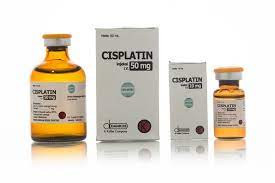
Cisplatin is available in injectable vials containing 1 mg/ml solution.
Dosage
Cisplatin is given to adult patients only.
Ovalium cancer
-
Single therapy: 100 mg/m² per cycle, given once every 4 weeks by infusion.
-
Combination therapy with cyclophosphamide: 75–100 mg/m² on the first day of each 4-week cycle.
Testicular cancer
- 20 mg/m² daily for 5 days in each cycle.
Bladder cancer
- 50–70 mg/m² per cycle, once every 3–4 weeks, depending on prior chemotherapy or radiation treatment.
Safety
Do not receive vaccines without medical approval, and avoid close contact with people who recently received the oral polio vaccine.
Cisplatin may affect fertility in both men and women. Discuss with your doctor if you are planning pregnancy. Women should not become pregnant while they receive cisplatin treatments, as it may harm the fetus. Contraception is recommended during treatment and for at least 14 months after the last dose.
Cisplatin passes into breast milk, and breastfeeding during treatment is not advised due to possible harm to the infant. Consult your doctor before breastfeeding.
Drug Interactions
Cisplatin may increase the risk of kidney damage if used with aminoglycoside antibiotics. The risk of toxicity of cisplatin can rise when combined with other anticancer drugs, particularly if given in high doses.
Looking for more information about other drugs? Click here!
- dr Hanifa Rahma
BPOM RI. Cisplatin. cekbpom.pom.go.id. Retrieved 22 May 2022, from https://cekbpom.pom.go.id//home/produk/69bhknndt7v4km8sdutf8ashf5/all/row/10/page/1/order/4/DESC/search/5/Cisplatin
MIMS Indonesia. Cisplatin. Mims.com. Retrieved 22 May 2022, from https://www.mims.com/indonesia/drug/info/cisplatin?mtype=generic
Web MD. Cisplatin Vial - Uses, Side Effects, and More. Webmd.com. Retrieved 22 May 2022, from https://www.webmd.com/drugs/2/drug-8756/cisplatin-intravenous/details
Medlineplus. Cisplatin Injection. Medlineplus.gov. Retrieved 22 May 2022, from https://medlineplus.gov/druginfo/meds/a684036.html