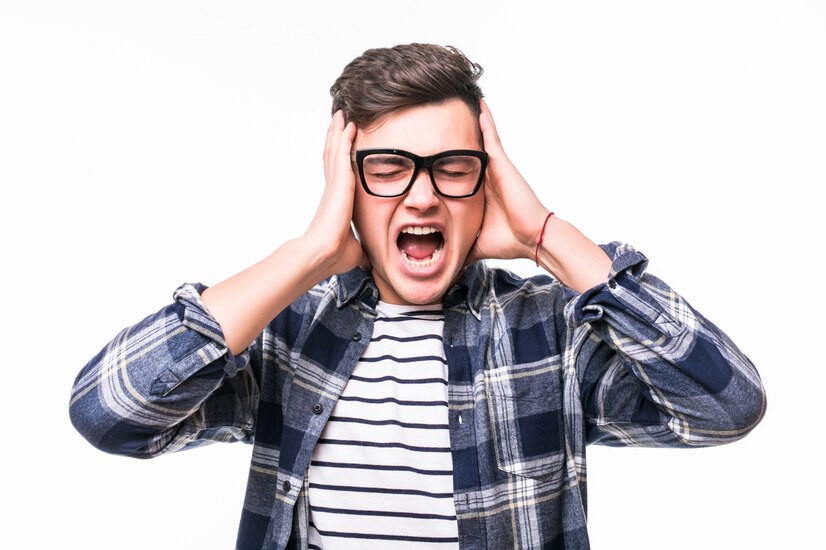
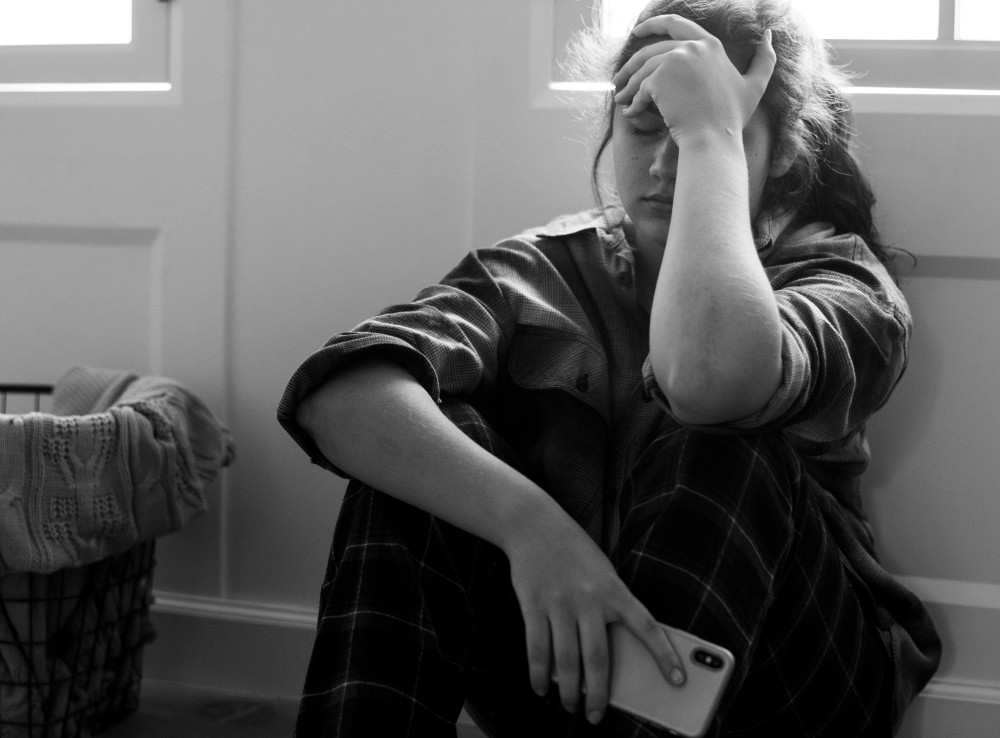
Depression does not only affect adults; it can also occur in teenagers. Unfortunately, depressive symptoms in teenagers are often overlooked because many parents assume changes in behaviour are simply due to normal hormonal shifts for their age.
In reality, depression in teenagers needs special attention. Because their psychological development is still in progress, teenagers are more vulnerable to acting out and engaging in dangerous behaviours such as self-harm, drinking alcohol, or misusing drugs.
How Depression Symptoms Differ in Teenagers and Adults
In adults, depression is often marked by deep sadness and a loss of interest in things they used to enjoy. In teenagers, however, depression more commonly appears through physical complaints such as headaches or stomach aches. According to Verywell Mind, some of the symptoms of depression in teenagers include the following.
Irritability
While adults with depression are more likely to show sadness, depressed teenagers often appear to be irritable. They may seem easily annoyed, argumentative, or defiant toward people around them, including their parents.
Typical mood changes seen in depressed adults are not always obvious in teenagers. Instead, teenagers may show frequent anger, irritability, and oppositional behaviour.
Changes in academic performance
A teenager struggling with depression may suddenly experience a sharp drop in grades. That said, this is not always the case. Some teenagers are still able to maintain good academic performance even when they are depressed.
If you notice your teenager’s grades falling, along with reports of negative behaviour changes at school, you should be alert to the possibility that these may be signs of depression.
Sensitive to criticism
Teenagers are naturally critical of many things around them. However, in a teenager with depression, this can be accompanied by a much stronger sensitivity to criticism.
As a result, they may avoid activities where they feel exposed to judgment, such as taking on leadership roles in group projects or becoming captain of a sports team. Without realising it, this can hold them back from developing their abilities and reaching their full potential.
Withdrawing from social life
Adults with depression often pull away from social situations. Teenagers can also withdraw, but they are more likely to retreat from their life and spend most of their time online instead.
Because being online can make it easier to feel accepted, even anonymously, many teenagers prefer to spend their time online. In real life, they may stop hanging out with friends or even begin to distance themselves from certain family members.
In addition to these signs, teenagers with depression may also have low self-esteem, find it hard to concentrate, and feel hopeless about their future.
Depression is a serious issue in teenagers. The symptoms will not simply disappear on their own without any proper help. If you suspect your teen sonsor daughter is showing signs of depression, start by talking to them and asking what you can do to help them feel more supported.
You can also discuss your concerns with the school, a doctor, or a youth psychologist to help address the problem. The earlier depression in teenagers is recognised and treated, the better the chance of protecting their future.
Looking for more information about health tips and tricks, first aid, and other home remedies? Click here!
- dr Hanifa Rahma
Morin, A. (2022). How Teenage Depression Differs From Adult Depression. Available from: https://www.verywellmind.com/how-teenage-depression-differs-from-adult-depression-2608882
Mayo Clinic. Teen Depression. Available from: https://www.mayoclinic.org/diseases-conditions/teen-depression/symptoms-causes/syc-20350985
Bruce, D. (2022). Teen Depression. Available from: https://www.webmd.com/depression/guide/teen-depression
NHS. Depression in children and young people. Available from: https://www.nhs.uk/mental-health/children-and-young-adults/advice-for-parents/children-depressed-signs/