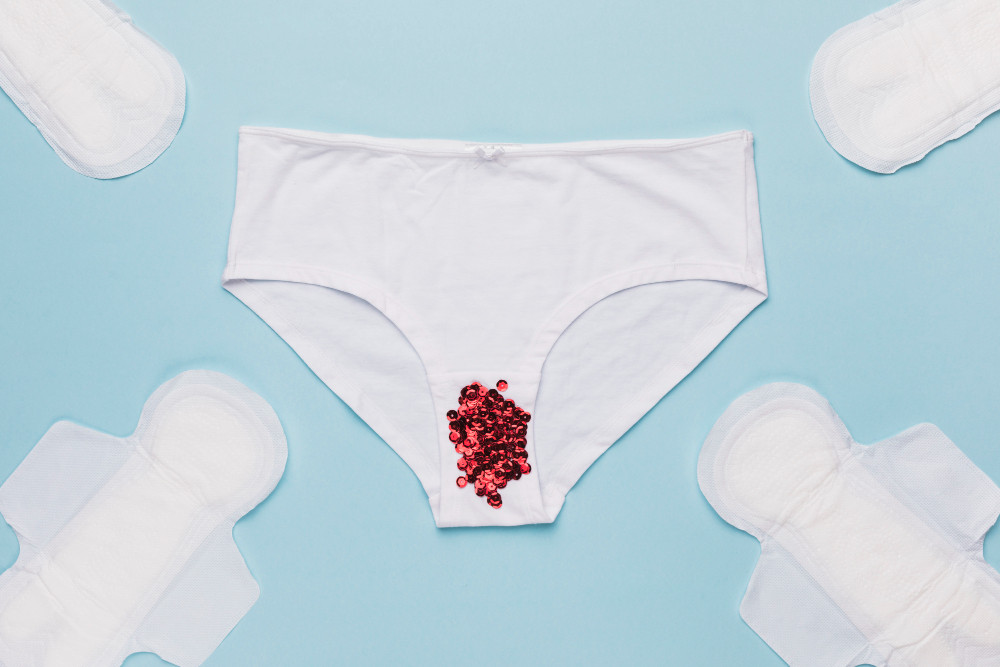

The first menstruation, or menarche, marks the beginning of the reproductive phase in girls. Typically, it occurs between the ages of 11 and 14, though the timing can differ based on various factors, such as genetics, health, and diet.
In some cases, however, the first menstruation may happen earlier, even before the age of 9. What is considered early puberty, and what causes it? Find out more in the article below.
What is Early Puberty?
Early puberty is a condition where puberty begins earlier than usual. In girls, early puberty occurs before the age of 8, and in boys, it begins before the age of 9.
While early puberty is relatively uncommon, it is more frequently observed in girls than in boys. Consequently, some girls may experience their first menstruation (menarche) sooner than expected.
Causes of Early Menstruation
Early menstruation can significantly impact a child's physical and emotional health. Some potential consequences include a heightened risk of developing breast cancer later in life, anxiety disorders, and an increased likelihood of obesity and type 2 diabetes.
Furthermore, children who experience early puberty may have slower growth compared to their peers and may face social challenges.
Several factors can contribute to early menstruation, including:
Genetic Factors
Genetics play a key role in determining the age at which menstruation begins. If a mother or sister experienced early menarche, it is more likely that a child will also go through the same.
Hormonal Disorders
Hormonal imbalances are a common cause of early puberty, including early menstruation. These imbalances can be triggered by a variety of factors such as genetic influences, obesity, infections affecting the brain, adrenal gland disorders, or exposure to external hormones.
Obesity
Girls who are overweight are at a higher risk of experiencing early menstruation. Excess fat tissue can increase estrogen production, a hormone involved in initiating puberty.
Certain Medical Conditions
Medical conditions like brain tumors, thyroid issues, adrenal gland abnormalities, ovarian or testicular cysts, and exposure to estrogen and testosterone-containing medications can elevate the chances of early puberty, including early menstruation.
What Should You Do if Your First Menstruation Occurs Early?
Menstruation before the age of 9 is one of the signs of early puberty, which can impact a child's overall development. It may affect bone growth, lead to accelerated emotional maturity, and influence the child’s mental health.
If a child experiences early menstruation, it's crucial to consult a pediatrician for an initial assessment. Afterward, the child may be referred to a pediatric endocrinologist for further examination. The doctor may conduct tests, such as an MRI or ultrasound, to determine the cause.
Although it is not always possible to stop early menstruation, the doctor will recommend appropriate treatment options, such as hormone therapy, medications to regulate sex hormones, or treatment for underlying medical conditions contributing to early puberty.
If you have additional questions about early puberty, you can consult a doctor via the Ai Care application, which is available for download on the App Store or Play Store.
Looking for more information about other diseases? Click here!
- dr Hanifa Rahma
Mayo Clinic (2023). Precocious puberty. Available from: https://www.mayoclinic.org/diseases-conditions/precocious-puberty/symptoms-causes/syc-20351811
Hae Sang Lee (2020). Why should we be concerned about early menarche?. Available from: https://pmc.ncbi.nlm.nih.gov/articles/PMC7806408/
Cleveland Clinic (2022). Menarche. Available from: https://my.clevelandclinic.org/health/diseases/24139-menarche
Boston Children's Hospital. Precocious Early Puberty. Available from: https://www.childrenshospital.org/conditions/precocious-early-puberty