The uterus is the place where a fertilized egg implants and grows into a pregnancy. Its inner lining is called the endometrium. Endometriosis occurs when tissues similar to the endometrium develops outside the uterus in other parts of the body.
This endometrium-like tissue can thicken, break down, and bleed with each menstrual cycle. Because it cannot exit the body, the tissue becomes trapped and builds up. When it forms on an ovary, it may create an endometrioma cyst. As the growth enlarges, nearby tissues can become irritated and scarred, which may cause pelvic organs to stick to one another. Endometriosis often leads to significant pain, especially around menstruation.
Locations of Endometriosis
MedlinePlus notes that endometriosis tissue may appear in several sites, including:
- Above or below the ovaries
- Within the fallopian tubes that carry eggs to the uterus
- Behind the uterus
- In the connective tissues that support the uterus
- On the bowel or bladder
When these implants grow and remain trapped within the pelvis, Healthline reports that they can lead to:
- Irritation of surrounding tissues
- Scar tissue formation
- Adhesions that bind pelvic organs together
- Severe menstrual pain
- Fertility challenges
Symptoms of Endometriosis
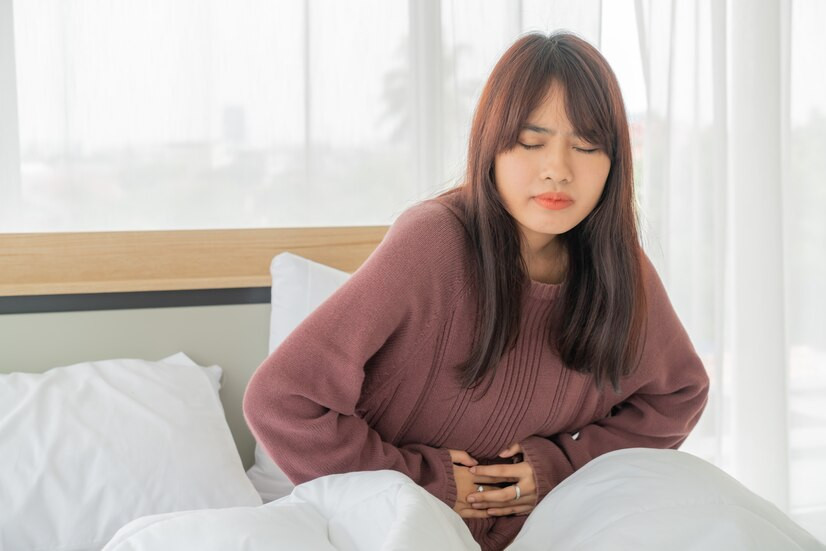
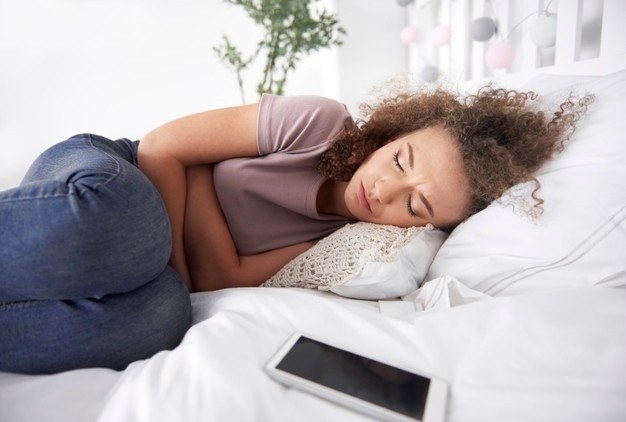
The most frequent primary sign is pelvic pain that is commonly linked to menstruation. While cramps can be normal, the pain with endometriosis is often more intense than usual and can worsen over time.
According to the Mayo Clinic and WebMD, symptoms can include:
- Severe menstrual pain (dysmenorrhea). Cramps and pain that last for several days during a period, often felt in the lower abdomen and hips.
- Pain during sexual intercourse. Discomfort is typically noticeable during intimacy.
- Painful urination or bowel movements.
- Very heavy menstrual bleeding.
- Trouble conceiving.
- Prolonged menstrual periods.
- Intense migraines.
- Allergies that flare around menstruation.
- Bleeding between periods.
- Anxiety.
- Nausea.
- Diarrhea and constipation.
- Bloating.
Risk Factors
Endometriosis can develop for many reasons, although several factors are known to raise risk, as outlined by the Mayo Clinic:
- Never having given birth
- Starting menstruation at a young age
- Reaching menopause at an older age
- Short menstrual cycles under 27 days
- Heavy bleeding that lasts longer than 7 days
- Low body mass index
- A family history of endometriosis
- Structural problems in the reproductive tract
- Medical conditions that block menstrual outflow
- Higher levels of estrogen in the body
There is no definitive cure for endometriosis, although treatments and medicines can lessen symptoms and improve quality of life. If you notice the symptoms above and have one or more risk factors, speak with a doctor to discuss the most appropriate and effective care.
Looking for more information about pregnancy, breastfeeding, women's and children's health? Click here!
- dr Hanifa Rahma
Mayo Clinic Staff (2018). Endometriosis. Available from: https://www.mayoclinic.org/diseases-conditions/endometriosis/symptoms-causes/syc-20354656
Abdul Wadood Mohamed (2019). Endometriosis. Available from: https://www.healthline.com/health/endometriosis
Medline plus (2021). Endometriosis. Available from: https://medlineplus.gov/endometriosis.html
Neha Pathak, MD (2021). Endometriosis Symptoms. Available from: https://www.webmd.com/women/endometriosis/understanding-endometriosis-symptoms