The onset of menstruation marks a significant milestone in every girl’s life, signaling the beginning of puberty and numerous physical changes.
While menstruation is a natural process, it can be a source of anxiety or confusion for many children. It is essential for parents to offer the right support, guidance, and reassurance to help their children approach their first period with confidence and calmness.
Tips to Help Children Face Their First Menstruation
Menarche, or the first menstruation, typically occurs between the ages of 11 and 14, although this age range can vary.
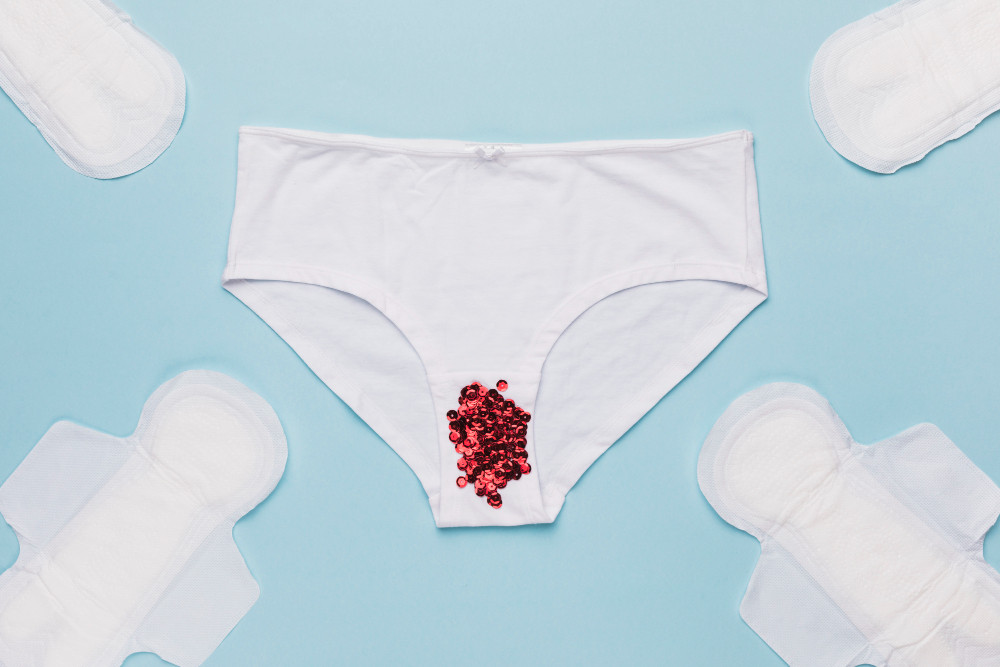
The first period is often accompanied by symptoms like abdominal cramps, bloating, mood swings, acne, and fatigue. For many children, especially those unfamiliar with menstruation, seeing blood for the first time in their underwear can be an alarming and unsettling experience.
To help your daughter prepare for her first period, consider the following tips:
Provide Basic Education
Girls typically begin puberty between the ages of 8 and 13, during which they will experience various physical changes. It’s important to educate your child about the signs of puberty, such as breast development, the growth of body hair, and, eventually, menstruation.
Help Your Child Understand What Menstruation Is
Parents should explain what menstruation is in a clear and age-appropriate manner, emphasizing that the menstrual cycle can vary from person to person. Keeping track of their menstrual cycle can also be helpful, allowing your child to better understand their patterns and recognize symptoms that may appear before or during menstruation.
Teach Your Child to Use Menstrual Products
It’s crucial to introduce your child to different menstrual products such as pads, tampons, menstrual cups, and pantyliners. Explain the purpose of each product, as well as the pros and cons, so that they can choose the one that best suits their needs.
In addition, parents should teach their children how to use and change pads properly every 4-6 hours (or more often if menstrual flow is heavy), as well as how to dispose of them hygienically.
Help Your Child Manage Discomfort
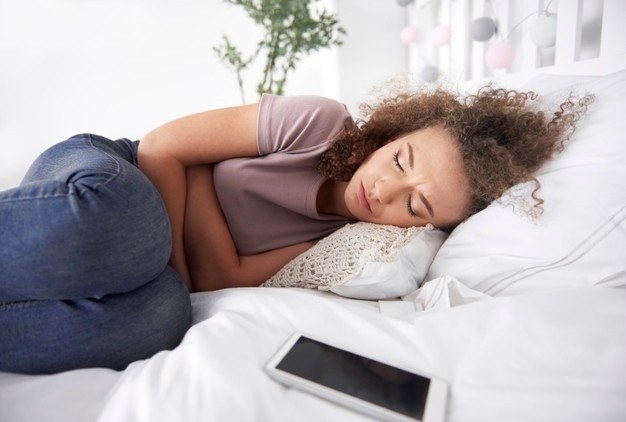
The first period is often accompanied by discomfort, such as stomach cramps, headaches, or back pain, which can disrupt a child’s sleep and daily activities.
To ease these symptoms, consider the following tips:
-
Apply a warm compress to the stomach.
-
Encourage light physical activity or stretching.
-
Include iron- and magnesium-rich foods in their diet.
Help Your Child Prepare Emergency Pads
To ensure your child feels prepared and at ease during menstruation, it’s helpful to provide a small bag with essential menstrual supplies, such as pads, wet wipes, extra underwear, and pain relievers.
Having these items on hand will help your child feel more secure, especially when they are away from home, at school, or in public settings.
It’s also important to teach children about abnormal menstruation and when to seek medical attention. Some signs of abnormal menstruation include:
-
Large blood clots.
-
Severe fatigue or dizziness.
-
Menstrual cycles that last more than 7-10 days or less than 2 days.
-
Excessively painful abdominal cramps.
-
Unusual or foul-smelling vaginal discharge.
If your child experiences any of these symptoms, it’s important to take them to a doctor for further evaluation. You can also use the consultation service available on the Ai Care app by downloading it from the App Store or Play Store for easy access to health advice.
Looking for more information about pregnancy, breastfeeding, women's and children's health? Click here!
- dr Hanifa Rahma
Barbara Brody (2024). How to Help Your Daughter Be Ready for Her First Period. Available from: https://www.webmd.com/parenting/features/daughters-first-period-how-to-prepare
Cleveland Clinic (2022). Menarche. Available from: https://my.clevelandclinic.org/health/diseases/24139-menarche
Mayo Clinic (2023). Signs your child is about to start their first period. Available from: https://mcpress.mayoclinic.org/parenting/signs-your-child-is-about-to-start-their-first-period/
Health Direct (2023). Puberty for girls. Available from: https://www.healthdirect.gov.au/puberty-for-girls
ACOG (2024). Heavy and Abnormal Periods. Available from: https://www.acog.org/womens-health/faqs/heavy-and-abnormal-periods