Orang seringkali salah mengira bahwa komedo dan jerawat adalah dua hal yang berbeda. Faktanya, komedo adalah bagian dari jerawat yang kondisinya belum berkembang parah.
Terdapat beberapa penyebab komedo putih, termasuk produksi minyak berlebih dan iritasi kulit. Komedo putih umumnya dapat terjadi pada remaja, namun dapat terjadi pada usia berapa pun.
Apa itu Komedo Putih?
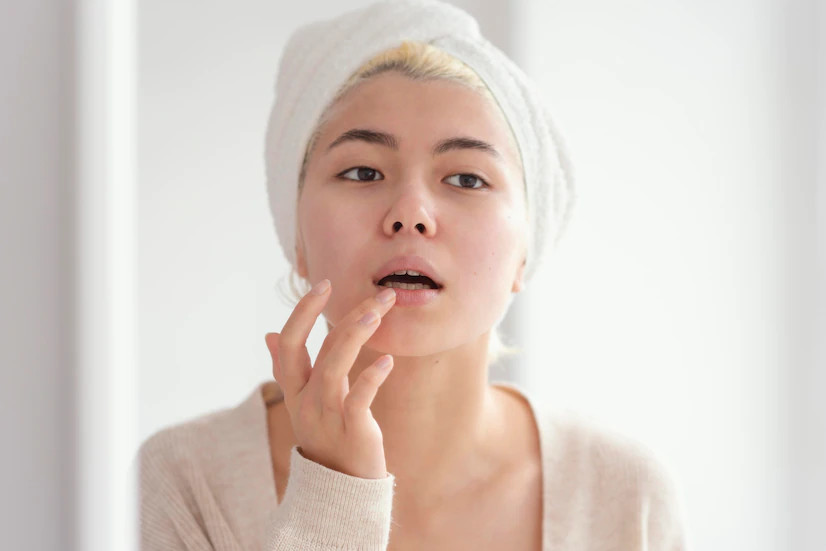
Komedo putih merupakan salah satu jenis jerawat (acne vulgaris). Komedo putih disebabkan oleh penumpukan sel-sel kulit mati dan sebum yang kemudian menyebabkan penyumbatan pada pori-pori. Anda akan melihat keluarnya benda seperti krim berwarna putih atau kekuningan saat memencet area berkomedo.
Umumnya, komedo putih terjadi pada anak yang baru pubertas atau remaja dewasa akibat adanya perubahan hormon. Namun, komedo putih ini juga dapat berkembang di kulit orang yang berusia 20, 30 atau lebih.
Apa Penyebab Komedo Putih?
Kelenjar minyak akan melepaskan minyak yang disebut sebum, fungsinya adalah untuk menjaga agar kulit dan rambut tetap lembap dan berkilau. Dalam kondisi tertentu, minyak yang dihasilkan berlebihan dan justru menyumbat pori, pada akhirnya terbentuk lah komedo putih.
Secara umum, komedo putih disebabkan oleh beberapa faktor:
- Meningkatnya produksi sebum
- Pembentukan keratin yang tidak normal
- Meningkatnya bakteri penyebab jerawat di kulit
Berbahayakah Komedo Putih bagi Kulit?
Komedo putih adalah kondisi permasalahan kulit yang umum dan dialami sebagian besar orang. Komedo putih bisa muncul di berbagai bagian tubuh seperti hidung, dagu, dahi, pipi, sekitar mulut, leher, punggung, dada atau lengan bagian atas.
Komedo juga mungkin muncul di bagian tubuh lain karena sebenarnya kelenjar minyak tersebar di hampir semua bagian tubuh.
Komedo putih tidak berbahaya bagi kesehatan secara fisik. Komedo putih juga tidak menular, bahkan saat bersentuhan langsung.
Kehadirannya dengan mudah bisa Anda ketahui karena ciri-cirinya yang khas, sehingga sebenarnya sangat mudah dicegah sebelum berkembang menjadi jerawat yang parah. Namun kehadiran komedo putih ini bisa memengaruhi kondisi mental dan menyebabkan Anda kehilangan kepercayaan diri.
Cara Mencegah Komedo Putih
Memencet komedo putih memang tampak memuaskan, tetapi ini bukan cara yang tepat untuk mengatasinya. Memencet komedo putih bahkan dapat meningkatkan risiko masuknya bakteri pada pori-pori yang dapat menyebabkan infeksi, membuat kulit sensitif menjadi iritasi akibat tekanan yang terlalu keras, serta meninggalkan bekas luka yang justru mungkin sulit dihilangkan.
Untuk mencegah berkembangnya komedo putih di kulit, berikut adalah tindakan pencegahan yang bisa dilakukan:
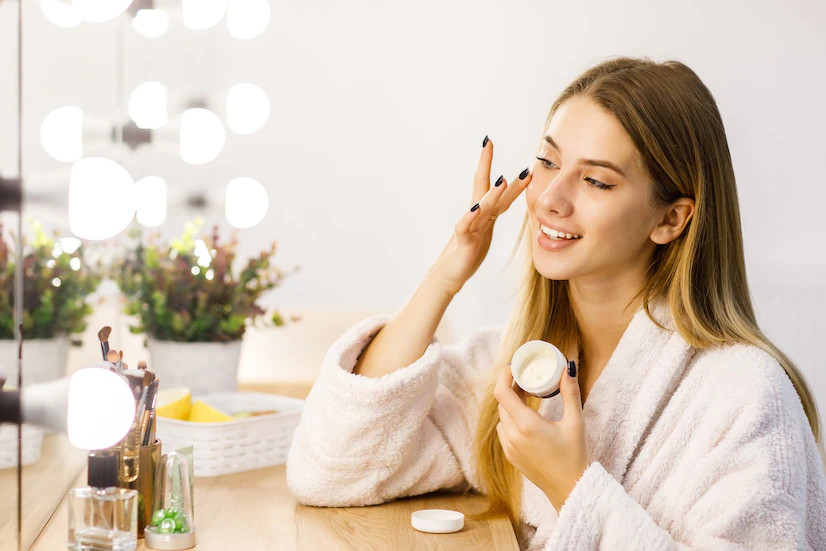
- Bersihkan wajah di sore hari dengan menggunakan produk berformula ringan atau setelah berolahraga atau berkeringat
- Gunakan air hangat untuk membersihkan wajah atau mandi
- Hindari menggunakan scrub yang dapat memicu iritasi kulit
- Lakukan eksfoliasi hanya beberapa kali dalam seminggu, yang dapat membantu mengangkat kelebihan sel kulit mati yang dapat menyumbat pori. Melakukan eksfoliasi yang berlebihan justru dapat menyebabkan iritasi dan memicu jerawat
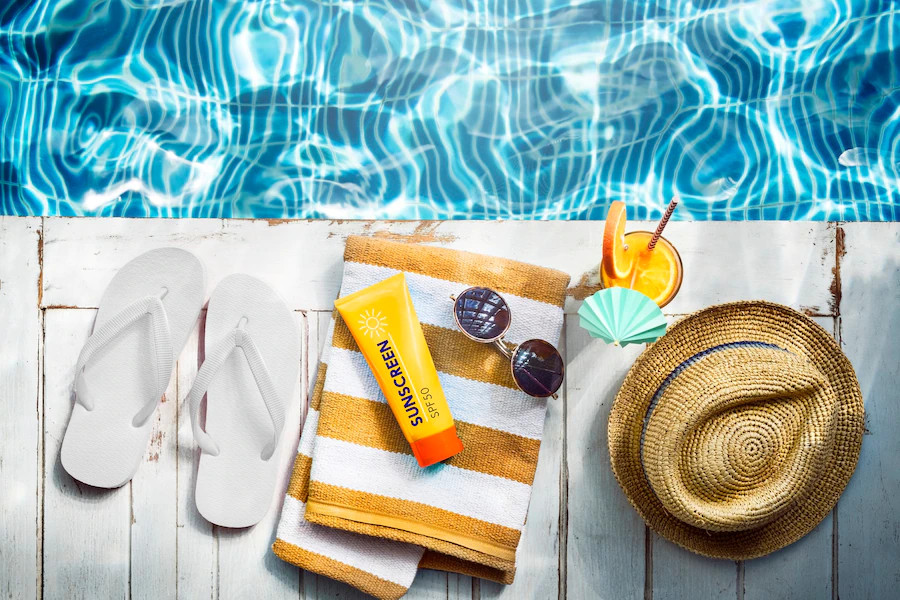
- Gunakan tabir surya yang formulanya khusus dibuat untuk kulit wajah
- Keramas dengan rutin dan teratur, terutama bila Anda memiliki rambut yang panjang. Minyak yang berlebihan dan menempel di helai rambut dapat memicu jerawat
- Hindari produk perawatan rambut dari kulit wajah
- Bersihkan ponsel, sarung bantal, kacamata, dan ganti masker dengan teratur agar kotoran dan bakteri yang menempel di antara barang tersebut tidak memicu jerawat di wajah
Jika Anda menggunakan makeup, berikut pencegahannya:
- Selalu bersihkan sisa makeup di malam hari dengan pembersih sebelum tidur
- Pilih jenis makeup yang bebas minyak dan noncomedogenic agar tidak menyebabkan penyumbatan pori
- Buang makeup yang kedaluwarsa karena dapat menyebabkan iritasi kulit
- Bersihkan spons dan juga kuas makeup setelah beberapa kali penggunaan
- Hindari berbagi aplikator makeup dengan orang lain, untuk mencegah penularan bakteri
Bila dengan semua usaha tersebut komedo putih tetap muncul dan kondisinya semakin parah, maka sebaiknya kunjungi dokter. Anda mungkin membutuhkan pemeriksaan dan obat yang diresepkan dokter untuk mengatasi keluhan komedo putih.
Mau tahu tips dan trik kesehatan, pertolongan pertama, dan home remedies lainnya? Cek di sini, ya!
- dr Nadia Opmalina

Kristeen Cherney (2018). 12 Ways to Get Rid of Whiteheads. Available from: https://www.healthline.com/health/beauty-skin-care/how-to-get-rid-of-whiteheads
Kristeen Moore (2019). Everything You Need to Know About Whiteheads. Available from: https://www.healthline.com/health/whitehead
Cleveland Clinic (2021). Whiteheads. Available from: https://my.clevelandclinic.org/health/diseases/22039-whiteheads