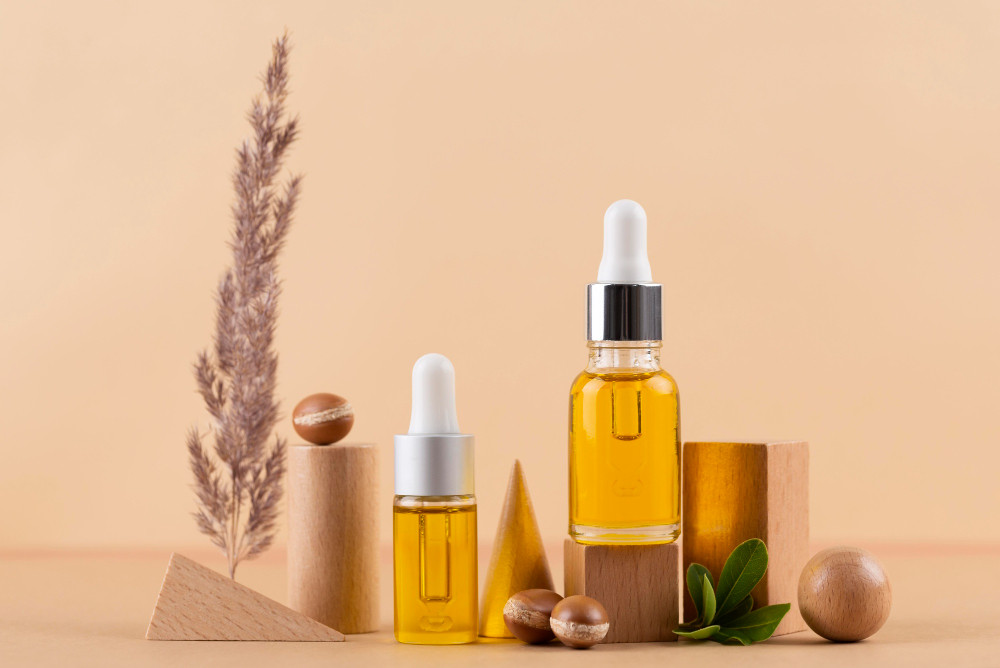
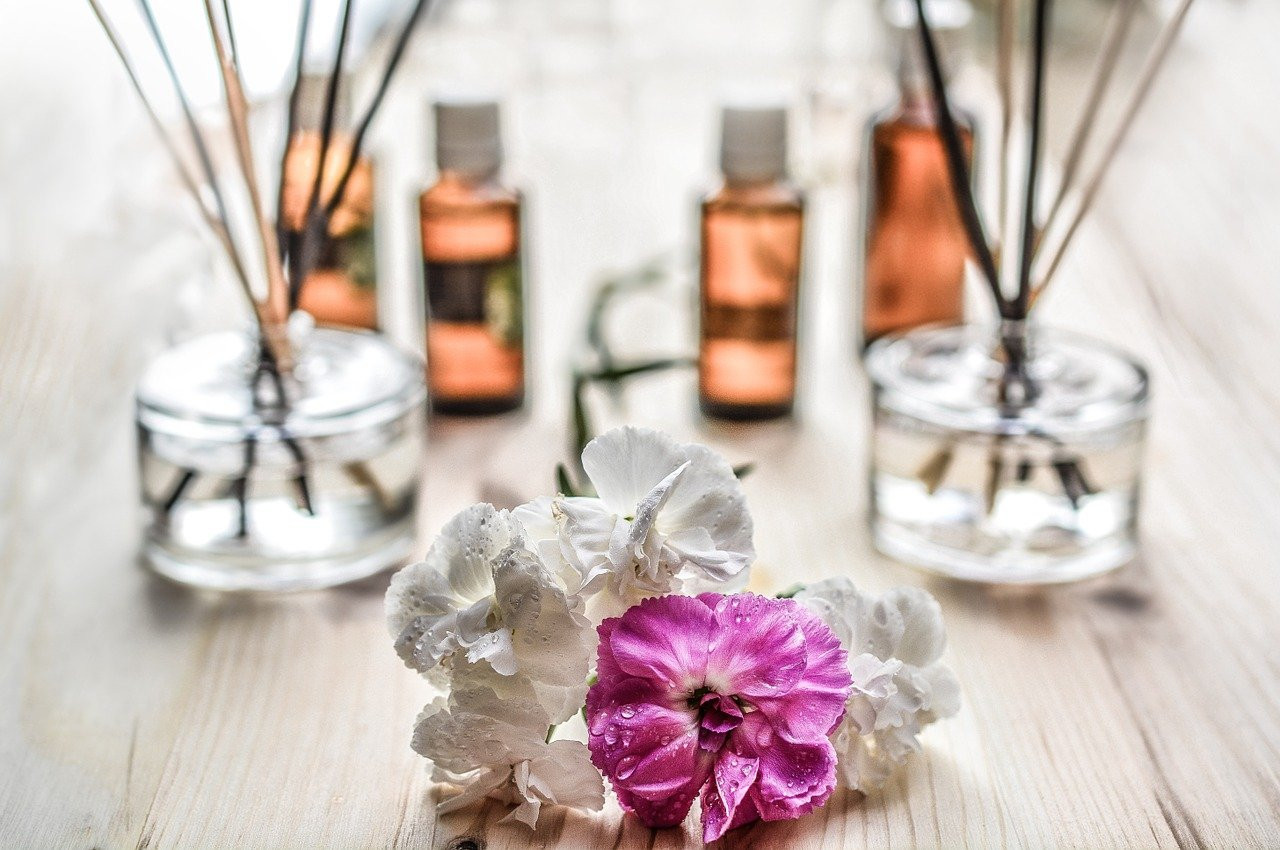
Many people are familiar with the soothing benefits of aromatherapy, a practice that uses natural oils and fragrances to enhance physical and emotional well-being. Aromatherapy is not only known for its ability to create a calming atmosphere, but it’s also used to alleviate conditions such as nausea and sleep disorders.
While experts haven’t pinpointed the exact reason why aromatherapy is effective for improving sleep, it is believed that the scents in aromatherapy oils can trigger compounds in the brain that aid relaxation and recovery. Aromatherapy can be performed using essential oils, candles, incense, soaps, or massage oils.
Types of Aromatherapy Oils Used
Here are some essential oils commonly used in aromatherapy to help with sleep disorders:
1. Lavender
Lavender is one of the most popular and widely recognized essential oils for promoting restful sleep. Studies show that lavender oil helps improve sleep quality by allowing individuals to sleep more soundly.
You can use lavender oil by applying a diluted amount to the skin or by spraying it around your bed. Lavender oil is also commonly included in body care products such as lotions and bath soaps to provide a relaxing aroma throughout the day.
2. Chamomile
Chamomile is well-known for its calming and relaxing properties. Chamomile essential oil can be used in a diffuser, and it’s even more effective when combined with chamomile tea for relaxation. Chamomile has long been used to treat insomnia and headaches, making it a great choice for improving sleep quality.
3. Bergamot
Bergamot is a citrus fruit that combines the characteristics of lemon and bitter orange, and it is known for its refreshing and calming scent. Besides its relaxing qualities, bergamot essential oil has strong antibacterial properties.
For those who prefer a fresh, fruity aroma, bergamot is an excellent choice for aromatherapy to improve sleep quality. Research suggests that bergamot oil can help people fall asleep faster and sleep more soundly. Besides its use to help counter sleep issues, it’s also widely used to relieve anxiety and other mental health concerns.
4. Jasmine
The delicate and sweet fragrance of jasmine is known to improve mood and relieve stress. Studies show that inhaling jasmine oil can promote relaxation and boost self-confidence. In one study, elderly participants who received jasmine aromatherapy experienced significantly improved sleep quality compared to those who did not receive the treatment.
5. Cedarwood
Cedarwood essential oil is frequently used to treat sleep disturbances in people with dementia. Studies have found that individuals with dementia who inhaled cedarwood oil were able to sleep more soundly and wake up less frequently during the night.
In addition to these oils, there are many other types of essential oils that can help improve your sleep quality. Always check for potential allergic reactions or any other side effects before using them regularly. If sleep issues continue, don’t hesitate to seek medical advice from a healthcare professional.
Looking for more information about health tips and tricks, first aid, and other home remedies? Click here!
- dr Hanifa Rahma
Ryan, T. (2022). The Best Essential Oils for Sleep. Available from: https://www.sleepfoundation.org/best-essential-oils-for-sleep
Brusie, C. (2020). Which Essential Oils Promote Better Sleep?. Available from: https://www.healthline.com/health/healthy-sleep/essential-oils-for-sleep
Davenport, S. (2022). 7 of the best essential oils for sleep. Available from: https://www.medicalnewstoday.com/articles/essential-oils-for-sleep